
,

A Comprehensive Guide to Indoor Photography
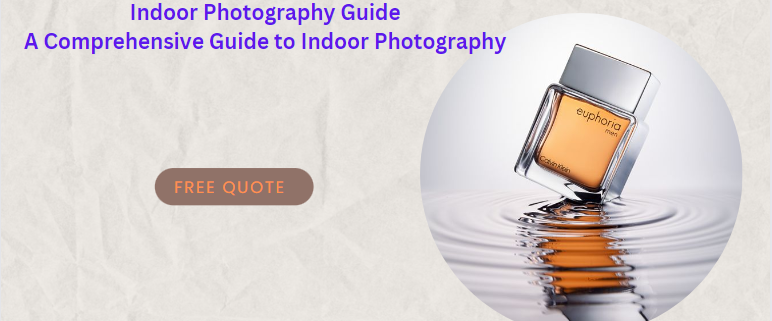
Indoor Photography Guide

Introduction

Welcome to our comprehensive guide to indoor photography! At Expert Clipping, we are committed to providing you with valuable insights and expert tips to help you excel in the world of photography. In this article, we will delve deep into the art of indoor photography, exploring various techniques, equipment, and lighting setups that will enable you to capture stunning images within the comfort of indoor settings.

Why Indoor Photography Matters

Indoor photography offers a unique opportunity to exercise your creativity and showcase your skills in a controlled environment. Whether you are a professional photographer or an enthusiast looking to improve your craft, mastering the art of indoor photography is essential for capturing captivating images in various scenarios such as portrait sessions, product photography, or even architectural captures.

Setting the Stage: Preparing for Indoor Photography

Before diving into the technical aspects, it’s crucial to set the stage for a successful indoor photography session. Here are a few key steps to follow:

  1. Selecting the Ideal Location

Choosing the right indoor location plays a pivotal role in the outcome of your photographs. Consider spaces with ample natural light, interesting backgrounds, and suitable settings that complement your subject.

  1. Understanding Lighting Conditions

Lighting is one of the most critical elements in photography. When shooting indoors, it’s important to familiarize yourself with the available light sources and how they interact with your subject. Natural light from windows, artificial lighting fixtures, and even creative use of reflectors can significantly enhance your images.

  1. Planning Your Equipment

Selecting the appropriate gear is crucial to achieve outstanding indoor photographs. While the specific equipment may vary depending on your preferences and the desired outcome, here are a few essential items to consider:

  • Camera: Invest in a quality DSLR or mirror less camera with manual controls and the ability to shoot in low-light conditions.
  • Lenses: Wide-angle lenses are great for capturing broader indoor scenes, while prime lenses with wider apertures excel at isolating subjects and creating a pleasing bookend effect.
  • Tripod: Stabilizing your camera with a tripod is invaluable, especially in low-light situations where longer exposures are necessary.
  1. Composition and Framing

Mastering composition techniques will greatly enhance the visual impact of your indoor photographs. Experiment with different angles, perspectives, and framing to create engaging compositions that draw the viewer’s attention to your subject.

Overcoming Lighting Challenges

Indoor photography often presents unique lighting challenges. However, with the right approach and equipment, you can overcome these obstacles and produce stunning images. Here are a few tips to help you:

  1. Utilizing Natural Light

When shooting indoors, leverage natural light sources such as windows to create soft and flattering illumination. Position your subject near the window, allowing the light to wrap around them. If the light is too harsh, you can diffuse it using sheer curtains or blinds.

  1. Harnessing Artificial Lighting

In situations where natural light is insufficient, you can rely on artificial lighting to create the desired atmosphere. Experiment with various lighting setups, including continuous lights, speed lights, or studio strobes, to achieve the desired effect.

  1. Balancing White Balance

Indoor lighting often introduces different color casts, making white balance crucial to maintain accurate colors in your photographs. Set the white balance manually or use custom presets to ensure your images reflect the true colors of the scene.

Capturing Indoor Portraits

Indoor portraits offer endless possibilities for creative expression. To achieve remarkable results, consider the following techniques:

  1. Posing and Directing

Guide your subjects through posing, ensuring they feel comfortable and relaxed. Engage with them, providing clear directions to capture their unique personality and emotions. Remember to experiment with different angles and compositions to add variety to your shots.

  1. Controlling Depth of Field

Controlling the depth of field allows you to emphasize your subject and create a pleasing separation from the background. Utilize wider apertures (smaller f-stop values) to achieve a shallow depth of field and blur the background, drawing attention to your subject.

  1. Experimenting with Lighting

Indoor portraits provide an opportunity to explore various lighting setups and create different moods. Consider using soft boxes, umbrellas, or natural window light to sculpt your subject’s features and add depth to your photographs.

Conclusion

Indoor photography is a captivating genre that offers endless possibilities for creative expression. By following the tips and techniques outlined in this comprehensive guide, you’ll be well-equipped to take stunning indoor photographs that stand out from the crowd. Remember, practice and experimentation are key to refining your skills and developing your unique style. So, grab your camera, find inspiring indoor locations, and let your creativity shine!
, ,

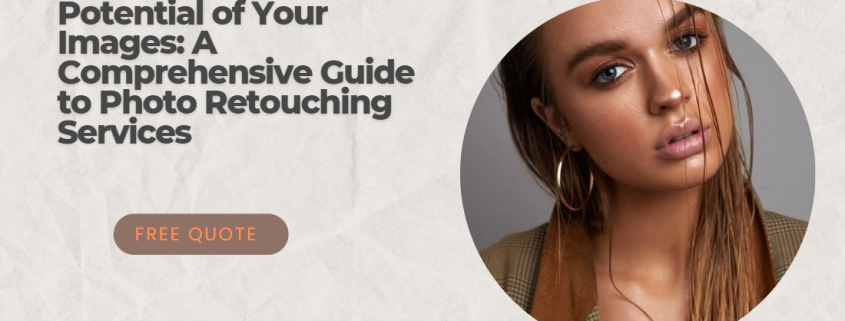
Unlock the True Potential of Your Images: A Comprehensive Guide to Photo Retouching Services

Photo Retouching Services Guide

Introduction to Photo Retouching Services

Welcome to the world of photo retouching, where your images can be transformed into stunning visuals that leave a lasting impression. As a professional in photography, design, or marketing, it’s essential to understand the value of high-quality imagery. This comprehensive guide will explore photo retouching services, their importance, and how they can elevate your images to new heights.

Photo retouching is the process of enhancing and manipulating digital images to improve their overall quality, appearance, and impact. This can involve anything from basic color correction and exposure adjustments to advanced techniques like object removal, skin retouching, and compositing. With the right skills and tools, a professional photo editor can transform ordinary photos into eye-catching visuals that leave a lasting impression on your audience.

The demand for photo retouching services has grown exponentially in recent years, driven by the increasing importance of visual content in the digital age. From social media and online advertising to print publications and product packaging, high-quality images are more important than ever. By investing in professional photo editing services, you can ensure that your images stand out from the competition and convey the right message to your target audience.

Photo Retouching Services Guide

The Importance of Professional Photo Editing

In today’s digital world, the quality of your images can make or break your brand. Consumers are constantly bombarded with visual content, and to stand out, your images need to be exceptional. This is where professional photo editing comes into play. By working with a skilled photo editor, you can ensure that your images are polished, captivating, and memorable.

One of the main reasons to hire a professional photo editor is their expertise in color correction and tonal adjustments. Images captured straight from the camera often lack the vibrancy, contrast, and clarity needed to make them stand out. A skilled photo editor can correct these issues, ensuring that your images have the perfect balance of color and tone.

Another essential aspect of professional photo editing is the ability to remove unwanted elements from your images. This can include anything from distracting background objects to blemishes and imperfections in a subject’s skin. By removing these distractions, a photo editor can help you create a cleaner, more focused image that better conveys your intended message.

Finally, professional photo editing services can help you achieve creative effects and composites that would be difficult or impossible to create in-camera. This can include blending multiple images, adding text or graphics, or applying artistic filters and effects. With the right photo editor, the possibilities are endless.

Common Types of Photo Retouching Services

There are many different types of photo retouching services available, ranging from basic adjustments to advanced techniques. Some of the most common services include:

  1. Color Correction and Tonal Adjustments: This involves adjusting the colors, brightness, contrast, and saturation of an image to make it more visually appealing and accurate.
  2. Skin Retouching: This process removes blemishes, wrinkles, and other imperfections from a subject’s skin, resulting in a smoother, more flawless appearance.
  3. Object Removal: This technique involves removing unwanted objects or distractions from an image, such as background elements, stray hairs, or dust spots.
  4. Image Compositing: This advanced technique involves combining multiple images or elements to create a single, cohesive visual.
  5. Background Replacement: This service involves replacing the background of an image with a new scene or color, often used in product photography or portraits.
  6. Restoration: This process involves repairing old or damaged photos, including fixing tears, removing stains or scratches, and restoring faded colors.
  7. Resizing and Cropping: This service involves adjusting the size and aspect ratio of an image to fit specific dimensions or focus on a particular subject.
  8. Special Effects and Filters: This category includes a range of creative techniques, such as adding motion blur, applying artistic filters, or creating custom textures and overlays.

Benefits of Using a Professional Photo Editor Service

Photo Retouching Services

Working with a professional photo editor comes with many benefits, including:

  1. Improved Image Quality: A skilled photo editor can enhance the overall quality of your images, ensuring that they are visually appealing and impactful.
  2. Consistent Visual Style: By working with a professional, you can ensure that your images maintain a consistent look and feel, which is essential for building a strong brand identity.
  3. Faster Turnaround Times: Professional photo editors are skilled at working efficiently, meaning they can deliver high-quality results in a shorter amount of time than if you were to edit the images yourself.
  4. Increased Creative Possibilities: A professional photo editor can help you achieve unique and innovative effects that might be difficult or impossible to create on your own.
  5. Cost-Effective Solution: Outsourcing your photo editing needs can save you time and money, as you won’t need to invest in expensive editing software or spend hours learning how to use it.

How to Find the Best Photo Editor Near Me

Finding the right photo editor for your needs can be a daunting task, but with the right approach, you can find the perfect match. Here are some tips for finding the best photo editor near you:

  1. Search Online: Start by conducting a simple online search for photo editors near you, using terms like “photo editing services near me” or “professional photo editing services near me.”
  2. Check Portfolios: Once you’ve found some potential candidates, review their portfolios to get a sense of their style, skill level, and experience.
  3. Read Reviews: Look for customer reviews and testimonials to gain insight into the quality of their work and their level of customer service.
  4. Get Recommendations: Ask friends, colleagues, or industry peers for recommendations, as they may have experience working with local photo editors.
  5. Request Quotes: Reach out to several candidates and request quotes for your project, comparing their pricing and services to find the best fit for your needs and budget.

Factors to Consider When Choosing Photo Editing Services Near Me

When selecting a photo retouching service, there are several factors to consider, including:

  1. Experience: Look for a photo editor with experience in your industry or niche, as they will have a better understanding of the specific requirements and expectations.
  2. Skill Level: Make sure the photo editor has the technical skills and expertise needed to achieve your desired results.
  3. Turnaround Time: Consider the editor’s turnaround time and make sure it aligns with your project timeline.
  4. Communication: Choose a photo editor with strong communication skills, as this will make the collaboration process smoother and more efficient.
  5. Pricing: Compare pricing and services to ensure you’re getting the best value for your investment.

The Role of Photo Enhancement Services in Boosting Image Quality

Photo enhancement services play a crucial role in improving image quality, helping to ensure that your visuals make a strong impact on your audience. By adjusting colors, brightness, contrast, and other elements, a professional photo editor can transform ordinary images into stunning visuals that grab attention and convey your message effectively.

In addition to basic adjustments, photo enhancement services can also involve more advanced techniques, such as object removal, skin retouching, and compositing. These services can help you create cleaner, more focused images that better represent your brand and resonate with your target audience.

Tips for Working with Professional Photo Editing Services Near Me

To get the most out of your collaboration with a professional photo editor, keep the following tips in mind:

  1. Clearly Communicate Your Goals: Before starting a project, make sure you clearly communicate your expectations and desired outcomes to the photo editor. This will help ensure that you’re both on the same page and can work together effectively.
  2. Provide High-Quality Source Images: The quality of the final edited image is largely dependent on the quality of the original photo. Make sure to provide high-resolution, well-lit images for the best results.
  3. Request Revisions if Needed: Don’t hesitate to ask for revisions if the initial edits don’t meet your expectations. A professional photo editor will be more than happy to make adjustments until you’re satisfied with the results.
  4. Establish a Strong Working Relationship: Building a strong working relationship with your photo editor can lead to better results and a more enjoyable collaboration process. Be open to their suggestions and listen to their feedback, as they may have valuable insights that can improve your images.

The Future of Photo Retouching Services and Technology

As technology continues to advance, the future of photo retouching services looks brighter than ever. With the development of powerful editing software, artificial intelligence, and machine learning, photo editors will have access to even more sophisticated tools and techniques for enhancing images.

In addition to advancements in editing technology, the demand for high-quality visuals is only expected to grow. As businesses and individuals continue to prioritize visual content, the need for skilled photo retouchers will remain strong. By staying up-to-date with the latest trends and technologies, professional photo editors can ensure that they continue to deliver exceptional results for their clients.

portrait Photo Retouching Services Guide

Conclusion: Unlocking Your Images’ True Potential Through Photo Retouching

In today’s fast-paced digital world, where visuals are everywhere, it’s more important than ever to make sure your images stand out. Professional photo editing services can help you unlock the true potential of your images, making them more visually appealing, impactful, and memorable.

Whether you’re a photographer, designer, or marketer, investing in photo retouching services can help take your visuals to the next level. By working with a skilled photo editor, you can achieve a consistent visual style, create unique and innovative effects, and ensure that your images grab the attention of your target audience.

So, take your first step towards unlocking the true potential of your images and finding the best photo editor near you. With the right skills, tools, and collaboration, you can transform ordinary images into stunning visuals that leave a lasting impression.