Essential Wedding Photography Tips | Expert Clipping
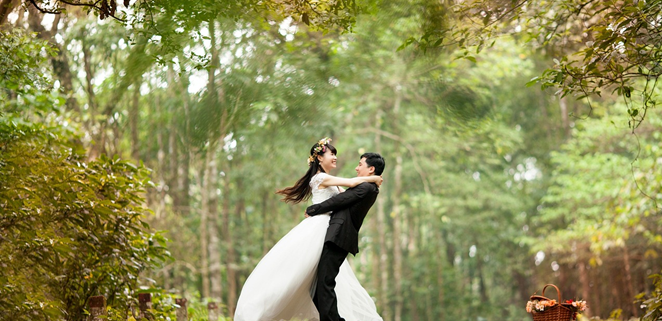
Wedding Photography Tips

Being a wedding photographer is a special and fulfilling job. You get to capture moments of happiness and love that will be treasured forever. To take stunning wedding photos that will be cherished for a long time, it’s crucial to learn the right tips and techniques. The high stakes and emotions make this crucial. This guide covers everything you need to know about weddings. We’ll talk about preparing and important tips. We’ll also give you creative ideas. We’ll discuss working with couples and wedding parties. We’ll help you navigate challenges on the wedding day. We’ll talk about editing photos after the wedding. We’ll help you build your portfolio. And we’ll show you how to market your services.Let’s dive in!

Introduction to Wedding Photography

Wedding photography combines portraits, journalistic photos, and event photos. As a wedding photographer, you need to capture the couple’s special day. You need to capture pictures of close moments, heartfelt expressions, and lovely details.. Being a copy editor is a difficult and fulfilling job. Preserving memories that will be treasured for many years is an important task that you have.

To succeed in this field, you need strong photography skills. You also need excellent communication and interpersonal skills. You need to think. You need to adapt to changing situations. You also need to have a deep understanding of wedding traditions and ceremonies. And you need to be able to work well under pressure. In short, wedding photography is not for the faint of heart!

Importance of Preparation for Wedding Photo Shoots

Preparation is key when it comes to ensuring a successful wedding photo shoot. Before the big day, take several steps to prepare yourself to capture amazing photos.

Make sure you know your camera, lenses, and any other equipment you’ll use. Practice changing settings to ensure you can do it.

Before the wedding, make sure to go check out the venue. It’s a good idea to visit ahead of time so you can get to know the layout, lighting, and good spots to take pictures.. This will help you plan your shots and troubleshoot any potential issues before the big day.

Make a shot list. Work with the couple to make a list of important shots. This includes formal portraits, candid moments, and detail shots.. This will help you stay organized and ensure you don’t miss any important moments.

Talk to the couple. Build a good relationship with the bride and groom. Discuss what they like, what they expect, and any special things they want. This will help you adjust your approach to their individual needs. It will also make the wedding day go more .

Essential Wedding Photography Tips for Capturing Stunning Images

I have important tips for wedding photography. They will help you take beautiful pictures on the wedding day:

Weddings have beautiful details that tell the story of the day. Pay attention to the bride’s dress and the table settings. Make sure you capture these elements. They give context and improve the story of your images.

Weddings are full of emotions like joy, love, and sometimes tears. Keep an eye out for these expressions and be ready to capture them as they unfold.

Shoot in RAW. Shooting in RAW format gives you more options when editing your photos. You can adjust exposure, white balance, and other settings without losing image quality.

Use natural light: Whenever possible, use natural light to create soft, flattering images. You should shoot photos during the golden hour. The golden hour happens right after sunrise and right before sunset.

Learn how to direct and pose your subjects to create natural, flattering images. Understand how to use angles, body language, and facial expressions to your advantage. Master the art of posing.

Creative Ideas for Memorable Wedding Photos

To make your wedding photos memorable, think creatively and try new ideas. Here are some suggestions to help you capture unique images:

Use the wedding venue and its surroundings to your advantage. Incorporate interesting architectural elements, natural features, or dramatic lighting into your compositions.

Create depth and visual interest in your images by incorporating reflections. Use mirrors, windows, or water to achieve this effect.

Try changing your perspective when taking photos. Shoot from various angles and viewpoints to capture interesting and dynamic images.. You can shoot from different angles, like above or below, to frame your subjects.

Weddings are full of movement. There’s the couple’s first dance and the tossing of the bouquet. To capture motion blur, use a slower shutter speed. For a dynamic effect, freeze the action with a fast shutter speed.

Try different lighting techniques to make interesting photos. To make the image more exciting and attention-grabbing, use a flash off-camera, light from behind, or paint with light.

Tips for Working with Couples and Wedding Parties

Working with couples and wedding parties can be challenging, but it’s a necessary part of the job. To create a strong bond and make your subjects at ease, follow these tips:

Before the wedding day, take the time to get to know the couple. Discuss their preferences, expectations, and any special requests they have. This will help build rapport. This helps to establish trust and ensures you understand their unique needs.

Give clear directions when posing your subjects. Be clear and concise in your instructions. Use simple language and prove the poses yourself if necessary.

Stay organized by keeping your shot list nearby. Work through it to make sure you get all the pictures you need.

Be patient and flexible: Weddings can be hectic, and things don’t always go according to plan. Stay calm and prepare to adapt your approach as needed.

Keep it fun: Encourage your subjects to relax and have fun during the photo shoot. If people can be themselves, everyone will have more fun.

Navigating Wedding Day Challenges

Every wedding is unique, and you’re likely to encounter a variety of challenges on the big day. Here are some tips for navigating common wedding day obstacles:

The weather can be unpredictable. It may include rain, wind, and other conditions. Being able to think and adapt is important. Make sure you have gear that can handle bad weather and a backup plan for outdoor shots.

Weddings have tight schedules. It’s important to work to capture all the necessary images.. Be prepared with your shot list and a plan for managing your time .

Weddings have different lighting challenges. They can be in lit churches or in harsh midday sun. Make sure you can adjust your camera and add more lights if needed. This will help you take well-exposed pictures.

Some people don’t like being in front of the camera. You may come across subjects who are hesitant or uncooperative. To help them relax, be patient, use your people skills, and try different approaches.

Be ready for unexpected events. This could include things like wardrobe malfunctions or last-minute schedule changes. Stay calm and be flexible if things don’t go as planned.

Post-Processing and Editing Tips for Wedding Photography

Once the wedding is over, it’s time to sort through your images and begin the editing process. Here are some post-processing tips to help you create polished, professional images:

Review your images and choose the best shots for further editing. Culling is the process of picking the best images and getting rid of duplicates or weaker ones.

Adjust the exposure and white balance settings in your images. Make sure your images are well lit and have true colors.

Use cropping and straightening tools to improve your compositions. This will help ensure that your images have a strong and balanced look.

Use retouching tools to remove blemishes, stray hairs, and imperfections from your images. You can also use enhancing tools to boost colors, sharpen details, or add creative effects.

To save time, you can use batch processing tools to make the same changes to several images at once.

Building Your Wedding Photography Portfolio

A strong portfolio is essential for showcasing your skills and attracting new clients. Here are some tips for building a compelling wedding photography portfolio:

Show off your top work. Only include your best images in your portfolio. Focus on a range of subjects, styles, and techniques to show how versatile you are.

Organize your portfolio in a way that tells a story. You can focus on a specific theme like candid moments, emotional expressions, or creative compositions..

Keep your portfolio up to date by adding new photos to show your progress.

Make your portfolio easy to access, whether it’s in an album or online. You should create a website or use a portfolio platform to show your work professionally.

Ask previous clients for testimonials or reviews to include in your portfolio. This makes your work more credible. It gives potential clients helpful insight into your skills and professionalism.

Marketing Your Wedding Photography Services

To do well in wedding photography, you need to promote yourself and find new clients.. Here are some marketing tips to help you grow your business:

Connect with other professionals in the wedding industry, like planners, caterers, and florists. This will help you build relationships and get referrals.

Go to local bridal shows and expos to show your work and meet potential clients.

Use social media. Use platforms like Instagram, Pinterest, and Facebook. Share your work. Connect with clients. Gain exposure.

To attract new clients, offer special promotions or incentives. These can include discounted rates or free engagement sessions.

Ask happy clients to refer you to their friends and family who need a wedding photographer.

Conclusion and Final Thoughts on Wedding Photography Tips

Wedding photography is a challenging profession. To do well in wedding photography, you must be skilled at taking pictures and interacting with people. You also need to be adaptable. But it’s worth it. This guide will give you the essential tips for wedding photography. Follow these steps to capture stunning photos that will be cherished for a lifetime.

To create memorable wedding photos, focus on the details. Look for emotion. Experiment with creative ideas. Develop strong relationships with the people you are photographing. Stay organized and be ready to handle common challenges that may arise on the wedding day. Remember to take the time and work hard on creating a strong portfolio. Also, make sure to promote your services to attract new clients.

You can build a successful career as a wedding photographer. All you need is dedication, hard work, and a passion for capturing beautiful moments. So go out there and create some stunning images that will be treasured for years to come!

Are you searching for a wedding photographer? They can capture the beauty, emotion, and joy of your special day.? Look no further! Contact me today. I can tell you more about my wedding photography services. I can help you create lasting memories. You’ll cherish these memories for a lifetime.
, ,

Ultimate Guide to Clothing Photography: Capturing Fashion in its Finest Form

Welcome to our comprehensive guide on clothing photography, where we unveil the secrets to capturing fashion in its finest form. At [Our Company Name], we understand the significance of visually appealing content that showcases clothing products in the best light possible. In this guide, we will provide you with expert insights, tips, and techniques that will help you excel in clothing photography and outrank other websites. So, let’s dive in and discover the art of creating stunning visuals that leave a lasting impression!

  1. The Importance of Clothing Photography

Clothing photography plays a pivotal role in attracting customers and driving sales. High-quality images can make or break a buyer’s decision when browsing online. By investing time and effort into your clothing photography, you can enhance your brand’s reputation, engage your audience, and ultimately increase conversions.

  1. Preparing for a Clothing Photoshoot

Before you start capturing breathtaking images, it’s essential to prepare adequately for a clothing photoshoot. Here are some crucial steps to follow:

2.1 Conceptualizing Your Vision

Begin by defining the style and mood you want to convey through your clothing photography. Consider your target audience, the clothing’s characteristics, and the desired emotional response. This step sets the foundation for a successful photoshoot.

2.2 Choosing the Right Location

Selecting the appropriate location can significantly impact the outcome of your clothing photography. Whether you opt for a studio setup or an outdoor setting, ensure that the backdrop complements your clothing and aligns with your vision.

2.3 Assembling the Necessary Equipment

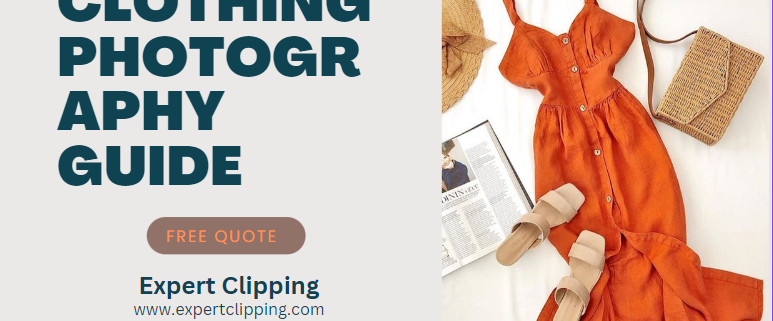
Clothing Photography Tips

To achieve professional results, you’ll need the right equipment. Here’s a list of essential items:

  • High-resolution camera (DSLR or mirrorless)
  • Quality lenses (standard, wide-angle, and macro)
  • Tripod for stability
  • Lighting setup (studio lights or natural light modifiers)
  • Reflectors and diffusers for controlling light
  • Mannequins or models (depending on your approach)
  • Steamer or iron for wrinkle-free clothing

2.4 Styling and Preparing the Clothing

Before the shoot, ensure that the clothing items are in pristine condition. Remove any tags, straighten seams, and eliminate wrinkles. Pay attention to small details that can make a significant difference in the final images.

  1. Mastering Composition and Lighting

Composition and lighting are two critical elements that can transform an average photograph into a captivating masterpiece. Let’s explore how to harness these factors effectively:

3.1 Composition Techniques

  • Rule of Thirds: Divide your frame into a 3×3 grid and place key elements along the intersecting lines for a balanced composition.
  • Leading Lines: Utilize lines to guide the viewer’s eyes towards the clothing, creating a visually engaging image.
  • Framing: Use objects in the foreground or background to frame the clothing and draw attention to the focal point.

3.2 Lighting Considerations

  • Natural Light: Make the most of diffused natural light by shooting near a large window or in an outdoor environment during the golden hour (early morning or late afternoon).
  • Studio Lighting: Control the lighting setup to highlight the clothing’s texture and colors. Experiment with soft boxes, umbrellas, or beauty dishes for desirable effects.
  • Avoiding Harsh Shadows: Use reflectors, diffusers, or additional light sources to soften harsh shadows and create a more balanced lighting setup.
  1. Showcasing Clothing Details

When it comes to clothing photography, showcasing the intricate details is crucial. Here’s how you can bring out the best in your clothing items:

4.1 Focus on Textures

To capture the texture of fabrics, use macro lenses and ensure proper lighting. Zoom in on specific areas of the clothing to highlight unique patterns, weaves, or embellishments.

4.2 Accentuating Colors

Colors play a vital role in clothing photography. Use complementary color schemes to make the clothing pop. Experiment with various lighting techniques to accurately represent the hues and tones of the garments.

4.3 Displaying Fit and Silhouette

To provide an accurate representation of how the clothing fits, consider using models or mannequins. Experiment with different poses and angles to capture the silhouette effectively.

  1. Post-Processing and Optimization

Once you’ve captured stunning images, it’s time to fine-tune them and optimize for the web. Follow these steps for optimal results:

5.1 Image Editing

Use professional image editing software, such as Adobe Photoshop or Lightroom, to enhance your photographs. Adjust colors, remove imperfections, and ensure consistency throughout your clothing collection.

5.2 Image Optimization for the Web

Before uploading your images to your website, optimize them for web usage. Compress the files without sacrificing quality to improve loading times. Additionally, provide descriptive file names and alt tags that incorporate relevant keywords.

Clothing Photography Guide

Conclusion

Congratulations! You are now equipped with the knowledge and insights needed to excel in clothing photography. By following the guidelines outlined in this ultimate guide, you can create captivating visuals that set your website apart from the competition. Remember to continuously refine your skills, stay updated with industry trends, and always strive for excellence. Best of luck in outranking your competitors and achieving the recognition your clothing photography deserves!

,

Clothing Photography Guide – Ultimate Tips for Capturing Fashion

Clothing Photography Guide

Introduction

Welcome to our comprehensive guide on clothing photography, where we unveil the secrets to capturing fashion in its finest form. At [Our Company Name], we understand the significance of visually appealing content that showcases clothing products in the best light possible. In this guide, we will provide you with expert insights, tips, and techniques that will help you excel in clothing photography and outrank other websites. So, let’s dive in and discover the art of creating stunning visuals that leave a lasting impression!

The Importance of Clothing Photography

In today’s digital world, clothing photography plays a pivotal role in attracting customers and driving sales. High-quality images can make or break a buyer’s decision when browsing online. By investing time and effort into your clothing photography, you can enhance your brand’s reputation, engage your audience, and ultimately increase conversions.

Preparing for a Clothing Photoshoot

Before you start capturing breathtaking images, it’s essential to prepare adequately for a clothing photoshoot. Here are some crucial steps to follow:

Conceptualizing Your Vision

Begin by defining the style and mood you want to convey through your clothing photography. Consider your target audience, the clothing’s characteristics, and the desired emotional response. This step sets the foundation for a successful photoshoot.

Choosing the Right Location

Selecting the appropriate location can significantly impact the outcome of your clothing photography. Whether you opt for a studio setup or an outdoor setting, ensure that the backdrop complements your clothing and aligns with your vision.

Assembling the Necessary Equipment

To achieve professional results, you’ll need the right equipment. Here’s a list of essential items:

  • High-resolution camera (DSLR or mirrorless)
  • Quality lenses (standard, wide-angle, and macro)
  • Tripod for stability
  • Lighting setup (studio lights or natural light modifiers)
  • Reflectors and diffusers for controlling light
  • Mannequins or models (depending on your approach)
  • Steamer or iron for wrinkle-free clothing

Styling and Preparing the Clothing

Before the shoot, ensure that the clothing items are in pristine condition. Remove any tags, straighten seams, and eliminate wrinkles. Pay attention to small details that can make a significant difference in the final images.

Mastering Composition and Lighting

Composition and lighting are two critical elements that can transform an average photograph into a captivating masterpiece. Let’s explore how to harness these factors effectively:

Composition Techniques

  • Rule of Thirds: Divide your frame into a 3×3 grid and place key elements along the intersecting lines for a balanced composition.
  • Leading Lines: Utilize lines to guide the viewer’s eyes towards the clothing, creating a visually engaging image.
  • Framing: Use objects in the foreground or background to frame the clothing and draw attention to the focal point.

Lighting Considerations

  • Natural Light: Make the most of diffused natural light by shooting near a large window or in an outdoor environment during the golden hour (early morning or late afternoon).
  • Studio Lighting: Control the lighting setup to highlight the clothing’s texture and colors. Experiment with softboxes, umbrellas, or beauty dishes for desirable effects.
  • Avoiding Harsh Shadows: Use reflectors, diffusers, or additional light sources to soften harsh shadows and create a more balanced lighting setup.

Showcasing Clothing Details

When it comes to clothing photography, showcasing the intricate details is crucial. Here’s how you can bring out the best in your clothing items:

Focus on Textures

To capture the texture of fabrics, use macro lenses and ensure proper lighting. Zoom in on specific areas of the clothing to highlight unique patterns, weaves, or embellishments.

Accentuating Colors

Colors play a vital role in clothing photography. Use complementary color schemes to make the clothing pop. Experiment with various lighting techniques to accurately represent the hues and tones of the garments.

Displaying Fit and Silhouette

To provide an accurate representation of how the clothing fits, consider using models or mannequins. Experiment with different poses and angles to capture the silhouette effectively.

Post-Processing and Optimization

Once you’ve captured stunning images, it’s time to fine-tune them and optimize for the web. Follow these steps for optimal results:

Image Editing

Use professional image editing software, such as Adobe Photoshop or Lightroom, to enhance your photographs. Adjust colors, remove imperfections, and ensure consistency throughout your clothing collection.

Image Optimization for the Web

Before uploading your images to your website, optimize them for web usage. Compress the files without sacrificing quality to improve loading times. Additionally, provide descriptive file names and alt tags that incorporate relevant keywords.

Conclusion

Congratulations! You are now equipped with the knowledge and insights needed to excel in clothing photography. By following the guidelines outlined in this ultimate guide, you can create captivating visuals that set your website apart from the competition. Remember to continuously refine your skills, stay updated with industry trends, and always strive for excellence. Best of luck in outranking your competitors and achieving the recognition your clothing photography deserves!

,

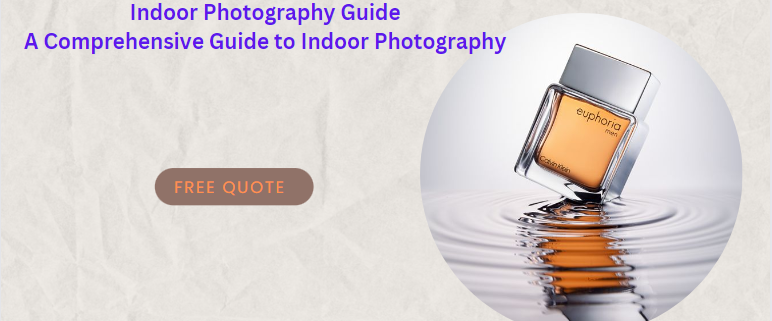
A Comprehensive Guide to Indoor Photography

Indoor Photography Guide

Introduction

Welcome to our comprehensive guide to indoor photography! At Expert Clipping, we are committed to providing you with valuable insights and expert tips to help you excel in the world of photography. In this article, we will delve deep into the art of indoor photography, exploring various techniques, equipment, and lighting setups that will enable you to capture stunning images within the comfort of indoor settings.

Why Indoor Photography Matters

Indoor photography offers a unique opportunity to exercise your creativity and showcase your skills in a controlled environment. Whether you are a professional photographer or an enthusiast looking to improve your craft, mastering the art of indoor photography is essential for capturing captivating images in various scenarios such as portrait sessions, product photography, or even architectural captures.

Setting the Stage: Preparing for Indoor Photography

Before diving into the technical aspects, it’s crucial to set the stage for a successful indoor photography session. Here are a few key steps to follow:

  1. Selecting the Ideal Location

Choosing the right indoor location plays a pivotal role in the outcome of your photographs. Consider spaces with ample natural light, interesting backgrounds, and suitable settings that complement your subject.

  1. Understanding Lighting Conditions

Lighting is one of the most critical elements in photography. When shooting indoors, it’s important to familiarize yourself with the available light sources and how they interact with your subject. Natural light from windows, artificial lighting fixtures, and even creative use of reflectors can significantly enhance your images.

  1. Planning Your Equipment

Selecting the appropriate gear is crucial to achieve outstanding indoor photographs. While the specific equipment may vary depending on your preferences and the desired outcome, here are a few essential items to consider:

  • Camera: Invest in a quality DSLR or mirror less camera with manual controls and the ability to shoot in low-light conditions.
  • Lenses: Wide-angle lenses are great for capturing broader indoor scenes, while prime lenses with wider apertures excel at isolating subjects and creating a pleasing bookend effect.
  • Tripod: Stabilizing your camera with a tripod is invaluable, especially in low-light situations where longer exposures are necessary.
  1. Composition and Framing

Mastering composition techniques will greatly enhance the visual impact of your indoor photographs. Experiment with different angles, perspectives, and framing to create engaging compositions that draw the viewer’s attention to your subject.

Overcoming Lighting Challenges

Indoor photography often presents unique lighting challenges. However, with the right approach and equipment, you can overcome these obstacles and produce stunning images. Here are a few tips to help you:

  1. Utilizing Natural Light

When shooting indoors, leverage natural light sources such as windows to create soft and flattering illumination. Position your subject near the window, allowing the light to wrap around them. If the light is too harsh, you can diffuse it using sheer curtains or blinds.

  1. Harnessing Artificial Lighting

In situations where natural light is insufficient, you can rely on artificial lighting to create the desired atmosphere. Experiment with various lighting setups, including continuous lights, speed lights, or studio strobes, to achieve the desired effect.

  1. Balancing White Balance

Indoor lighting often introduces different color casts, making white balance crucial to maintain accurate colors in your photographs. Set the white balance manually or use custom presets to ensure your images reflect the true colors of the scene.

Capturing Indoor Portraits

Indoor portraits offer endless possibilities for creative expression. To achieve remarkable results, consider the following techniques:

  1. Posing and Directing

Guide your subjects through posing, ensuring they feel comfortable and relaxed. Engage with them, providing clear directions to capture their unique personality and emotions. Remember to experiment with different angles and compositions to add variety to your shots.

  1. Controlling Depth of Field

Controlling the depth of field allows you to emphasize your subject and create a pleasing separation from the background. Utilize wider apertures (smaller f-stop values) to achieve a shallow depth of field and blur the background, drawing attention to your subject.

  1. Experimenting with Lighting

Indoor portraits provide an opportunity to explore various lighting setups and create different moods. Consider using soft boxes, umbrellas, or natural window light to sculpt your subject’s features and add depth to your photographs.

Conclusion

Indoor photography is a captivating genre that offers endless possibilities for creative expression. By following the tips and techniques outlined in this comprehensive guide, you’ll be well-equipped to take stunning indoor photographs that stand out from the crowd. Remember, practice and experimentation are key to refining your skills and developing your unique style. So, grab your camera, find inspiring indoor locations, and let your creativity shine!