, , , ,

Best Mirrorless Camera for Concert Photography in 2025 – Complete Guide
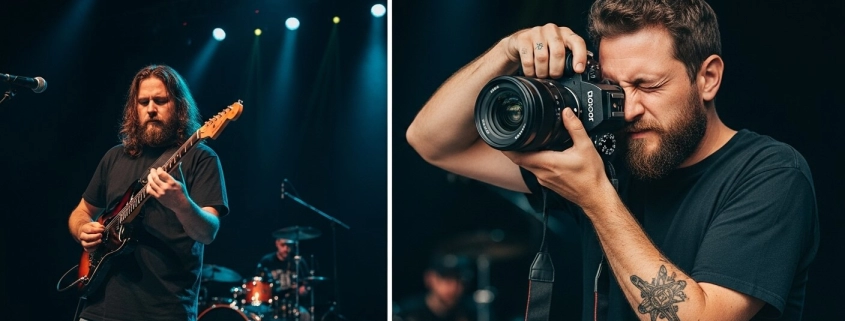
Best Mirrorless Camera for Concert Photography

Have you ever tried taking photos at a concert only to end up with blurry shots, weird colors, or so much noise that the image looks like a painting? You’re not alone. Concert photography is one of the toughest challenges for any photographer. Between low light, flashing stage lights, and musicians who never stop moving, the wrong camera can leave you frustrated. That’s why choosing the best mirrorless camera for concert photography in 2025 is crucial.

In this guide, I’ll walk you through the top models, explain the difference between full-frame and APS-C, and share personal insights as if we’re two friends chatting about gear over coffee. I’ll also touch on lenses, settings, and practical tips from years of photographing live music. And yes brands like Expert Clipping help photographers polish their shots with professional photo retouching services when editing becomes just as important as shooting.

Let’s dive in.

Importance of Low-Light Performance in Concert Photography

Concerts are rarely well-lit like a studio. Instead, you get dim stages, red and blue spotlights, and fast strobe lights. A camera’s low-light performance is the game changer here. This is why full-frame mirrorless cameras, with their larger sensors, dominate live music photography. They capture more light, reduce noise at high ISO, and keep details intact.

Quick Answer: The best concert photography cameras are full-frame mirrorless models because they handle low light better than APS-C or micro four-thirds.

Sony Alpha a7 III – A Balanced Performer

The Sony a7 III has been a fan favorite for years—and it still holds strong in 2025. With 24.2MP full-frame sensor, amazing autofocus, and superb battery life, it’s a reliable partner for concerts. Many photographers on Reddit still call it the “budget king” for live shows.

Pros: Excellent autofocus, strong low-light ability, good value for money.
Cons: Menus can be confusing for beginners.

Quick Answer: The Sony a7 III is one of the most reliable and affordable full-frame mirrorless cameras for concert photography.

Canon EOS R6 Mark II – High-Speed Precision

If speed is what you crave, the Canon EOS R6 Mark II won’t disappoint. With 40fps electronic shutter bursts and Canon’s legendary color science, this camera makes it easier to freeze guitar jumps and drumstick spins. Its low-light ISO performance is also superb.

Pros: Best autofocus tracking, superb color tones, high burst rate.
Cons: Slightly pricier than the Sony a7 III.

Quick Answer: The Canon EOS R6 Mark II is perfect for fast-moving live music, especially if you love vibrant colors straight out of the camera.

Nikon Z6 II – Versatile Shooting Capabilities

Nikon fans will love the Z6 II. It’s a 24.5MP full-frame mirrorless camera with strong dynamic range and dual card slots for backup—a lifesaver for pros shooting tours. It pairs beautifully with Nikon’s Z lenses like the 24-70mm f/2.8.

Pros: Dual processors, robust build, excellent low-light detail.
Cons: Autofocus is slightly behind Canon and Sony.

Quick Answer: The Nikon Z6 II is a dependable option with great lens compatibility and solid low-light performance.

Sony Alpha a9 III – Fast and Efficient

The Sony a9 III introduces global shutter technology, meaning no rolling shutter issues with flashing lights—a dream for concert photographers. It can shoot silently and capture 120fps bursts, making it one of the most advanced tools available.

Pros: Global shutter, insane burst rates, no banding under LED lights.
Cons: Premium price, best for professionals.

Quick Answer: If budget isn’t a problem, the Sony a9 III is the ultimate concert photography camera in 2025.

Nikon Z9 – Cutting-Edge Technology

The Nikon Z9 is Nikon’s flagship and it’s built like a tank. With 45.7MP resolution, 8K video, and industry-leading tracking, it’s meant for professionals covering world tours and festivals.

Pros: Extreme resolution, durable, no mechanical shutter needed.
Cons: Heavy and expensive.

Quick Answer: The Nikon Z9 is a powerhouse camera for pro concert photographers needing both high resolution and speed.

Panasonic Lumix S1 – Robust Build and Image Quality

Panasonic’s Lumix S1 doesn’t get as much buzz, but it’s a hidden gem. Known for its rugged body and excellent image stabilization, it’s a great choice for handheld shooting in small venues.

Pros: Great IBIS, strong video quality, sturdy design.
Cons: Limited native lenses compared to Sony/Canon.

Quick Answer: The Lumix S1 is ideal for those who shoot both photos and concert videos.

APS-C Options – Budget-Friendly Alternatives

Not everyone can jump into full-frame right away. Cameras like the Sony A6400 or Fujifilm X-T30 II still deliver excellent concert shots if paired with fast lenses like a 35mm f/1.4. They’re lighter and cheaper but do struggle in extreme low light compared to full-frame.

Quick Answer: APS-C mirrorless cameras are affordable entry points for beginners learning concert photography.

Best Lenses for Concert Photography

A great camera without the right lens is like a guitarist without strings. Popular picks include:

  • 24-70mm f/2.8 (versatile for stage and crowd)
  • 70-200mm f/2.8 (tight shots from a distance)
  • Prime lenses (35mm, 50mm, 85mm f/1.8 or faster) for low-light portraits

Quick Answer: Fast aperture lenses (f/1.8 or f/2.8) are essential for low-light concerts.

Full-Frame vs. APS-C: Which to Choose?

Full-frame gives better low-light performance and wider field of view. APS-C is cheaper and lighter but struggles more with noise in dark venues.

Quick Answer: Choose full-frame if budget allows; APS-C works for beginners.

Autofocus and Eye Tracking in Live Music

Musicians move constantly, and autofocus systems with eye tracking are lifesavers. Sony leads in this department, followed by Canon.

Quick Answer: Look for cameras with reliable eye AF for consistent sharpness at concerts.

The “3 Song Rule” Explained

Most concerts only allow photographers to shoot during the first three songs. This means your camera needs to nail the shots fast—no second chances.

Quick Answer: The “3 song rule” means you only have a short time window, so fast autofocus and burst modes are crucial.

Best Camera Settings for Concert Photography

  • ISO: 3200–12800 (depending on venue)
  • Aperture: f/2.8 or wider
  • Shutter Speed: 1/250–1/500 for moving musicians

Quick Answer: Start with ISO 3200, f/2.8, and 1/250 shutter speed, then adjust based on light.

Essential Accessories for Concert Photographers

  • Fast memory cards
  • Spare batteries (mirrorless eats power)
  • Earplugs (protect your hearing)
  • Comfortable dual camera strap

Quick Answer: Always carry backups—concerts are unpredictable.

Choosing the Right Camera for Your Needs

Your choice depends on budget, experience, and shooting style. Beginners may start with APS-C, while professionals often use dual full-frame bodies. Renting is also smart if you’re testing gear.

Even with the best camera, post-editing matters. Services like clipping path service or ghost mannequin editing help make images cleaner, sharper, and ready for publishing.

If you work with fashion or e-commerce brands, you may also need color change services or background edits. This is where a trusted clipping path provider or clipping path company makes the difference.

Quick Answer: Match your camera to your needs, not just hype.

Conclusion

Concert photography is an electrifying experience—but only if your camera can keep up. From the reliable Sony a7 III to the futuristic Sony a9 III, there’s a mirrorless camera for every photographer. Remember: lenses and technique matter just as much as the body. And when it comes to post-processing, companies like Expert Clipping can take your raw shots and make them shine.

Whether you’re a beginner shooting your first gig or a pro covering a festival, the best mirrorless camera for concert photography is the one that balances speed, low-light power, and reliability. Choose wisely, and let the music guide your shutter.
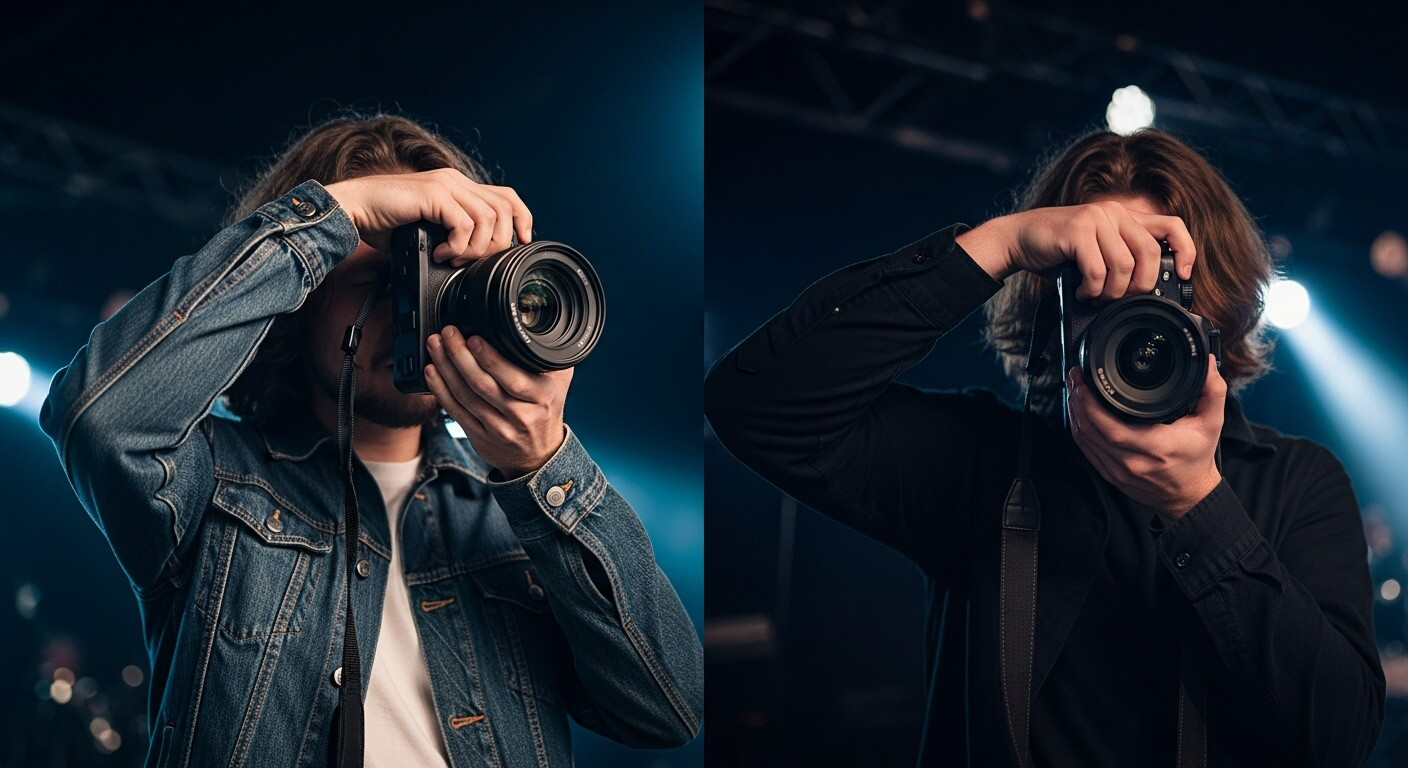
Best Mirrorless Camera

FAQs

  1. Are mirrorless cameras good for concert photography?
    Yes, they’re great. Mirrorless cameras are lighter, faster, and have better low-light autofocus compared to DSLRs.
  2. What is the 3-song rule in concert photography?
    It’s a rule where photographers are only allowed to shoot during the first three songs of a performance.
  3. What settings work best for low-light concert shots?
    Start with ISO 3200, f/2.8 aperture, and a shutter speed of 1/250. Adjust as needed for lighting.
  4. Should I buy full-frame or APS-C for concerts?
    Full-frame is best for low light, but APS-C is a good affordable entry point.
  5. What lenses do pro concert photographers use?
    The 24-70mm f/2.8 and 70-200mm f/2.8 are the most popular, along with fast primes like 50mm f/1.4.
, , ,

Best Camera for Concert Photography in 2025 – Expert Guide

Best Camera for Concert Photography

If you’ve ever tried taking photos at a concert, you already know the struggle. The lights change every second, the stage is dim, the crowd is moving, and your favorite singer never stays still. That’s why choosing the best camera for concert photography is more than just a gear decision—it’s the difference between a blurry mess and a photo that feels alive.

I’ve been there standing in the pit, fumbling with settings, wishing my camera could see in the dark. Over the years, I’ve tested everything from budget point-and-shoots to high-end mirrorless beasts. In this guide, I’ll share what works, what doesn’t, and which cameras are truly worth your money in 2025. Whether you’re a beginner, a student, or a pro aiming for magazine covers, this guide has you covered.

And yes, if you need help editing those shots to look pixel-perfect, my team at Expert Clipping can handle the post-production magic for you.

The Importance of Choosing the Right Camera for Concert Photography

Concerts are unpredictable. Lighting swings from near-dark to blinding in seconds. A good camera for concerts must handle low light, fast action, and constant movement. This means you need:

  • Fast autofocus to lock onto performers.
  • Strong ISO performance to avoid grainy images.
  • Wide aperture lenses to let in more light.

👉 In short: the right camera makes you feel like you’re not fighting the venue, but dancing with it.

Best Cameras Under £1,000: Entry-Level Excellence

If you’re just starting out or don’t want to break the bank, there are fantastic cameras under £1,000 that perform well in dark venues. These are perfect for students and beginner photographers.

Camera Price Range Pros Cons
Canon EOS R10 ~£850 Affordable, great autofocus APS-C crop factor
Sony a6400 ~£950 Compact, excellent AF Limited battery life
Nikon Z50 ~£800 Easy for beginners, great ergonomics Fewer lenses available

👉 These cameras won’t give you pro-level performance, but they’re reliable, affordable, and perfect for learning.

Canon EOS R10: Affordable yet Powerful

The Canon EOS R10 is one of the best budget cameras for concert photography. With fast autofocus and solid image quality, it punches above its weight.

✅ Great for beginners who want Canon’s user-friendly system.
❌ Low-light performance isn’t as strong as full-frame models.

💡 Quick Answer: A great starter for those who want value and Canon reliability.

Sony Alpha a6400: Compact and Capable

The Sony a6400 is beloved on Reddit forums for its autofocus speed. It’s lightweight, easy to carry, and delivers sharp images.

✅ Perfect for travel and small venues.
❌ Battery life could be better.

💡 Quick Answer: One of the best compact mirrorless cameras for concerts under £1,000.

Mid-Range Marvels: Balanced Performance and Price

If you’re serious about concert photography but not ready for pro-level gear, mid-range cameras are your sweet spot. These offer excellent low-light performance and advanced features without the high-end price tag.

Camera Price Range Why It’s Great
Canon EOS R6 Mark II ~£2,400 Amazing low-light, fast AF
Sony a7 IV ~£2,200 Hybrid photo & video
Nikon Z6 II ~£1,900 Great balance for pros & learners

Canon EOS R6 Mark II: The Balanced Powerhouse

The R6 Mark II is one of the best all-rounders. It shines in low light, which is the holy grail for concerts.

✅ Full-frame sensor, excellent ISO handling.
✅ 40fps burst for action shots.
❌ Pricey for beginners.

💡 Quick Answer: A workhorse for semi-pros and professionals who need reliable performance in dark venues.

High-End Heroes: Top-Tier Technology

For those shooting professionally—magazines, tour photography, or big stages—you need the heavy hitters.

Camera Price Range Strength Best For
Sony a7R V ~£3,900 61MP resolution, sharp detail Pros who need massive detail
Nikon Z8 ~£3,600 Fast, durable, pro features Concert tours, publications

Sony a7R V: High-Resolution Mastery

This camera is a monster in resolution—perfect for printing huge posters or cropping into details without losing quality.

💡 Quick Answer: If detail is your obsession, this is your dream camera.

Nikon Z8: Professional Performance

Think of the Nikon Z8 as the younger sibling of the Nikon Z9—pro features at a (slightly) lower price. Fast, durable, and excellent in challenging light.

💡 Quick Answer: Ideal for photographers covering full tours or working with agencies.

Essential Lenses for Concert Photography

Your camera is only half the story. Lenses matter even more for concerts.

  • Zoom Lens (Nikon 70-200mm f/2.8S): Perfect for covering the whole stage.
  • Prime Lens (Nikon 85mm f/1.8S): Sharp, beautiful, and amazing in low light.

👉 Rule of thumb: Get at least one fast prime lens (f/1.8 or lower).

Must-Have Accessories for Every Photographer

  • Memory Cards (Delkin BLACK CF Express): Never risk losing shots.
  • Custom Earplugs: Protect your hearing in loud venues.
  • Extra Batteries: Concerts are long, don’t get caught empty.

👉 Bonus: If your shots still need polishing, Expert Clipping offers photo cut out service and detailed retouching to make your work stage-ready.

Expert Tips: Mastering Concert Photography Settings

  • Manual Mode: Gives you full control over light and motion.
  • Shoot RAW: More editing flexibility later.
  • Fast Shutter (1/200+): To freeze movement.

👉 Bonus: If your shots still need polishing, Expert Clipping can handle pro-level editing.

Building and Showcasing Your Portfolio

Start with local gigs. Share your work on Instagram, create a portfolio site, and tag bands. Networking is key. Many careers start with one small show.

To make your portfolio look consistent and professional, services like image masking can help refine tricky details such as hair or instruments under stage lights.

A Glimpse into Film Photography for Concerts

Film is making a comeback—even in concerts. Shooting film forces you to slow down and think. Pushing ISO 800 or 1600 film can give a raw, nostalgic look.

Conclusion: Capturing the Concert Magic in 2025

Concert photography is more than just taking pictures—it’s about freezing energy, light, and emotion in a single frame. The best camera for concert photography depends on your budget, style, and goals. From the beginner-friendly Canon EOS R10 to the pro-level Nikon Z8, there’s something for everyone.

And remember: the camera gets you the shot, but editing makes it shine. That’s where Expert Clipping can help polish your work to perfection.

FAQs

  1. What is the best cheap camera for concert photography?
    The Canon EOS R10 and Sony a6400 are both affordable options under £1,000 that perform well in concerts.
  2. Do I need a full-frame camera for concerts?
    Not always. APS-C cameras can work well, but full-frame models handle low light better.
  3. Which phone has the best camera for concerts?
    The iPhone 15 Pro Max and Google Pixel 8 Pro are the best smartphones for concert photography in 2025.
  4. Can I shoot concerts with a point-and-shoot camera?
    Yes, models like the Sony RX100 VII can deliver good results, especially in smaller venues.

5. Which brand is best: Canon, Sony, or Nikon?
All three have excellent options. Canon is great for beginners, Sony leads in autofocus, and Nikon offers strong pro performance.

, ,

Unleashing the Power of the Best Camera for Night Photography

best camera for night photography expertclipping

Introduction to Night Photography

Night photography is a fascinating genre, which provides photographers with an opportunity to shoot truly impressive pictures in the darkness. The fascination with photos in low light and the otherworldly beauty of the night sky has made many photographers to explore this art that is both difficult and fulfilling. On the other hand, to really master night photography, having the best night photography camera is very necessary. The camera you select is one of the main factors that determine the quality and the versatility of night shots, that’s why it’s very important to choose it wisely. In this article, I will take you step by step through the process of choosing a camera suitable for low light photography and give you some tips, so that you can take stunning night pictures from twilight until dawn.

Importance of the Right Camera for Night Photography

Choose a good camera that suits night photography if you want to have the best results in the end. The low light performance of the camera is one of the crucial criteria which must be considered. Cameras with larger sensors usually do better than the others in low light conditions because they can absorb more light and thus reduce noise and give the image better quality. Also, a camera with a wide ISO range is necessary in night photography, as you can control the sensor sensitivity to receive more light in low-lighting situation. Hence, the selection of the most efficient low light camera is a pivotal point in capturing excellent night pictures.

Additionally, the ability to deal with long exposures is also a crucial factor. When taking photographs at night, you may need to use long shutter speeds to capture star movement, light trails, or other elements. Hence, a camera with a good internal image stabilization or external attachment support would give you sharp, and blur-free pictures, which would then certify its place as a perfect night photography camera.

best camera for night photography

Factors to Consider When Choosing a Camera for Night Photography

The selection of the camera for night photography should be based on several key elements. First of all, you have to take into account the camera’s sensor size. Full-frame cameras, due to their larger sensors size, are superior in low light conditions as compared to the cameras with smaller APS-C or Micro Four Thirds sensors. But it does not mean that the small sensors for cameras are not able to provide amazing night shots. It is mainly your specific requirements and budget that will determine the best low light cameras as these usually have larger sensors.

Noise performance of a camera is another consideration at high ISO settings. Increased ISO values are often necessary in night photography due to the need to gather enough light, but some cameras cope much better with noise than others do. Do not miss cameras with excellent noise reduction algorithms that produce clear images at higher ISO settings. This way you can effectively control high ISO noise.

Best Camera Options for Night Photography

1. Nikon D850: Nikon D850 is an ideal full-frame camera for low light photography. The back-illuminated sensor and its extended ISO range lend it the ability to shoot high-quality images in even the most demanding light conditions. The camera’s sensor, with high resolution, warrant detailed shots, and the camera’s robust build ensures durability during long shooting times making it one of the best night time cameras.

2. Canon EOS 5D Mark IV: The other excellent option of full-frame is Canon EOS 5D Mark IV. This camera delivers amazing low light performance because of its advanced sensor technology and high ISO capabilities. Being equipped with an auto focus system that works fast and the one with wide dynamic range, this camera is great for night photography and is often among the best night cameras.

3. Sony A7 III: The Sony A7 III receives a reputation of the best mirror less camera for low light, supplying excellent low light performance. Its full frame sensor, superior ISO performance and 5-axis image stabilization makes it the best choice for shooting night sceneries. The feature of the camera’s silent shooting mode makes it one of the best in the category of low light mirrorless cameras where it is used for quiet surroundings.

Best Camera Settings for Night Photography

To take the best night shots, you have to set your camera correctly. Begin by switching your camera to manual mode for a complete control over the exposure. Set a low ISO, for instance, ISO 100 or 200, in order to minimize noise which is a must, even for a low light video camera. Make sure your aperture is as wide as possible (low f-number) to let in more light into the camera. Play with different shutter speeds to achieve the desired effect. This can be star trails with long exposures or motion freezing with a fast shutter speed, which is also appreciated in low light video cameras.

Best Camera Phone Options for Night Photography

If you prefer to use your smartphone for night photography, there are several options that deliver impressive results. The Google Pixel 5 and iPhone 12 Pro Max are known for their exceptional low light performance, rivaling the best low light compact camera, and advanced computational photography capabilities. These smartphones utilize multiple exposure blending, night mode, and AI algorithms to capture stunning night shots with minimal noise.

Affordable Camera Options for Night Photography

If instead you use your smartphone for night photography there are numerous options that will churn out a great result. Both Google Pixel 5 and iPhone 12 Pro Max are capable of capturing beautifully lit photos in dimly lit rooms and can be compared to the best low light compact camera in terms of low light performance and advanced computational photography. These smartphones achieve this through a combination of multiple exposure blending, night mode, and AI algorithms to produce amazing night shots with minimal noise.

Best Camera Apps for Night Sky Photography (Android)

For Android users who want to make their night sky photography better, there are many camera apps that can help them out. Among the most popular apps that offer manual settings of ISO, shutter speed and focus, “Camera FV-5” is considered one of the best apps for taking night shots with a greater flexibility. Another app recommended is “Night Camera”, which is designed for low light photography and has features like noise reduction and long exposure, the latter being a good choice for night sky photography.

Overview – Best Camera & Best Lens for Night Photography

In summary, the best night photography cameras depend on your specific needs and budget. Full-frame cameras like the Nikon D850, Canon EOS 5D Mark IV, and Sony A7 III offer exceptional low light performance and versatility. When it comes to camera phones, the Google Pixel 5 and iPhone 12 Pro Max stand out for their night photography capabilities. If you’re on a budget, the Nikon D5600 and Canon EOS Rebel T7i are great options for entry-level photographers, making them excellent cameras for night photography.

Conclusion

Through night photography, a world of beauty that is invisible to the naked eye is unveiled. By using a suitable camera like the best video camera for low light, you can have the ability to shoot amazing images from twilight to dawn. Take into account the camera’s low light performance, sensor size, ISO capabilities, and stabilization when choosing the camera for low light video. Try different camera settings and if you are a beginner, consider inexpensive options. However, it is not the only thing that you have but the passion and imagination you have behind the art. Therefore get out there, accept the night and allow your camera to be the medium that will help you to capture the enchantment of the night.