
Lightroom Edit in Photoshop Not Working 2025

I still remember when my workflow came to a halt. I clicked Edit in Photoshop from Lightroom Classic, but nothing happened. This pause felt like lost time, a missed deadline, and worry about my edits. It reminded me of the same frustration many eCommerce sellers feel when their product shots need clipping path services or photo retouching services, yet the tools don’t respond as expected.
If you’re in the United States and use Lightroom Classic and Photoshop, this pause can ruin your day. This guide is for photographers and retouchers who need quick fixes for this issue—just like businesses rely on background removal service for clean product images or ghost mannequin services to create invisible mannequin effects for fashion photos.
This includes checking for Photoshop beta conflicts, verifying Lightroom’s Photoshop path, and ensuring cloud originals are available. You’ll also learn how to update Lightroom Classic and Camera Raw. These steps are based on common issues and user experiences.
Key Takeaways
- Confirm whether a Photoshop beta (version 25) or multiple Photoshop versions are installed before troubleshooting.
- Verify Lightroom’s path to the Photoshop executable to prevent miscommunication between apps.
- Ensure cloud originals are available offline—green check marks can affect the Edit in Photoshop workflow.
- Reinstalling or reverting to a stable Photoshop build often fixes the issue; keep backups of plugins and preferences.
- Keep Lightroom Classic and Camera Raw up to date to benefit from workflow compatibility fixes.
Overview of the lightroom edit in photoshop not working 2025 problem
The Edit in Photoshop flow can stall, confusing both hobbyists and professionals. In 2025, specific failure patterns have been reported. These patterns interrupt the handoff from Lightroom Classic to Photoshop.
Troubleshooting often starts by mapping symptoms to likely causes.
Symptoms users report when Edit in Photoshop fails
Photoshop may open, but the chosen photo never appears. Lightroom can get stuck at “Preparing file for editing” and then time out. It shows messages like “The file could not be edited because Adobe Photoshop 2025 could not be launched.”
Some users experience long pauses while Lightroom writes TIFF or PSB temporary files. Others only succeed when the picture has a green check mark, meaning the original is stored locally.
Why this issue matters for Lightroom Classic and Photoshop workflows
Breaks in the Edit in workflow stop layer-based retouching, plugin use, and complex composites. Frequent failures waste time and lead to repeated attempts to reopen files.
When Lightroom keeps producing temporary TIFFs, teams risk creating duplicate files and version confusion. This disrupts consistent editing pipelines for commercial photographers and studios.
Scope in 2025: common platforms and affected versions
Lightroom Photoshop integration problems 2025 appear on both macOS and Windows. Users running Lightroom Classic alongside Photoshop 2025, including beta builds, report issues most often.
Problems occur when Lightroom Classic lags behind Photoshop in updates. Past user reports show that updating Lightroom Classic to a compatible release fixed workflow bugs in many cases.
If you need targeted help, start troubleshooting lightroom edit in photoshop by checking cloud sync status, version alignment, and whether temporary files are being created successfully.
How Photoshop version conflicts cause Edit in Photoshop to fail
Photoshop 2025 introduces new ways to launch and interact with other apps. This can disrupt how Lightroom Classic sends images to Photoshop. If there’s a mismatch in paths, IDs, or launch methods, editing might fail or show an error.
Lightroom Classic needs a stable Photoshop executable to work. But Photoshop 2025’s beta features can change APIs and file handling. This makes it hard for Lightroom Classic to detect and open Photoshop, leading to editing issues.
Having different Photoshop versions on one computer adds to the confusion. Lightroom might choose the wrong executable or struggle with temporary files. This can cause unpredictable behavior and make fixing editing problems harder.
Many users find that uninstalling Photoshop 2025 and reinstalling a stable version, like Photoshop 24.7, fixes the issue. Stable releases have consistent app IDs and launch patterns. This helps Lightroom Classic find the right Photoshop executable and reduces integration problems.
To fix compatibility issues, check which Photoshop version Lightroom targets. Remove any conflicting installs and ensure Lightroom Classic updates match a supported Photoshop stable release. These steps help identify and solve version conflicts without unnecessary reinstalls.
Photoshop beta (version 25) specific issues and risks
Beta builds can introduce new features and changes. These might disrupt how Lightroom Classic and Photoshop work together. They can alter how Photoshop interacts with your computer or accepts files from Lightroom.
Why beta builds can interrupt the Edit in workflow
Beta code often changes how files are handled and apps are registered. This can cause Lightroom to fail when editing TIFFs or PSBs. Users might experience delays, errors, or no launch if Photoshop doesn’t respond correctly.
When to remove a beta and how to roll back safely
If Edit in fails often, it’s time to remove the beta. Use Adobe Creative Cloud to uninstall the beta and install a stable version like Photoshop 24.x. Make sure to update Lightroom Classic to the latest version before trying Edit in again.
Before uninstalling, save important settings. Export custom actions, brushes, and workspace layouts. Also, back up plugin lists and presets to restore them later.
Managing plugins and third-party filters after reinstall
Many plugins, like those from Topaz and DxO Nik Collection, need to be reinstalled after Photoshop is updated. Moving plugin files out of the Plugins folder before uninstall can help. But, some tools require full installers to work again.
- List current plugins and export settings where possible.
- After installing a stable Photoshop, copy plugins back or run installers.
- Test troublesome filters one at a time to isolate conflicts.
Forum reports suggest moving plugin files can work, but full reinstallers are best for complex tools. This method is helpful when troubleshooting or fixing issues quickly.
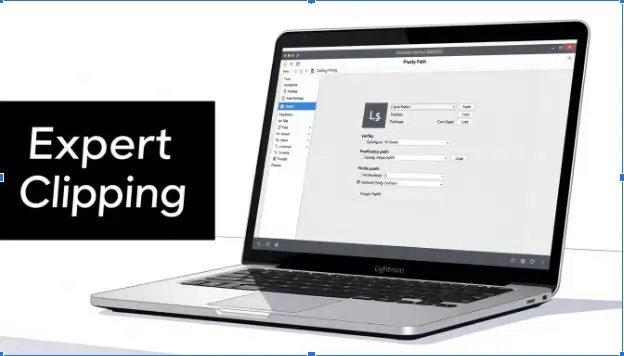
Verifying and configuring Lightroom’s Photoshop path
When Lightroom can’t send a file to Photoshop, it’s often because of a wrong app path. This guide will help you check Lightroom’s Photoshop path settings. You’ll learn how to fix it so you can edit your photos again quickly.
Lightroom finds Photoshop by looking at system apps and install folders. It then makes a TIFF or PSB file and tells Photoshop to open it.
If Lightroom can’t find Photoshop, it might show an error. You can follow some steps to fix this. This way, Lightroom will find the right Photoshop version.
Manual steps to point Lightroom to the correct app:
- Close Lightroom Classic and Photoshop before making changes.
- Open the Creative Cloud desktop app and confirm the installed Photoshop version you want to use.
- On macOS, check /Applications for the bundle name, for example /Applications/Adobe Photoshop 2024/Adobe Photoshop 2024.app. Rename conflicting beta bundles if needed or reinstall via Creative Cloud so the system registration updates.
- On Windows, verify Program Files paths and the registry entry for Photoshop. If multiple installs exist, uninstall unwanted versions or repair the desired install from Creative Cloud to fix registry pointers.
- After adjusting installs, launch Lightroom Classic so it rescans system registrations and re-detects Photoshop.
Platform differences affect how you troubleshoot Lightroom’s Photoshop issues. macOS uses application bundles and names. A beta build with a different name can block Lightroom from finding the stable app. Windows relies on registry entries and Program Files paths. Having multiple versions can cause conflicts.
Here’s a tip to fix Lightroom’s Photoshop issue in 2025: update Lightroom Classic after changing Photoshop. This makes Lightroom re-detect apps and often fixes the workflow without more steps.
| Task | macOS action | Windows action |
| Confirm installed Photoshop | Check /Applications for Adobe Photoshop 2024.app bundle and any beta bundles | Open Creative Cloud and confirm Program Files\Adobe\Adobe Photoshop 2024 location |
| Fix wrong version launch | Rename or remove beta bundle, reinstall stable via Creative Cloud, then reopen Lightroom | Uninstall unwanted versions or run Creative Cloud repair, then restart Lightroom Classic |
| When Lightroom says Photoshop could not be launched | Ensure the bundle name matches expected install, check permission to open app, then relaunch Lightroom | Check registry entries and file associations, confirm user permissions, then relaunch Lightroom |
| Prevent future issues | Keep macOS app bundles consistent and avoid parallel beta installs | Maintain a single stable Program Files install and avoid leftover registry entries from old versions |
Cache, sync, and cloud originals: causes tied to Adobe cloud storage
Sync and cloud storage are key to editing photos. When Lightroom stores originals in Adobe’s cloud, it must download them first. Slow downloads or server issues can cause a lightroom edit in photoshop error 2025.
Before editing, check if images are synced. If they have a green check mark, they open in Photoshop quickly. Without it, they need to be downloaded first. If this download fails, editing can stop and show errors.
One good solution is to store originals locally. Go to Lightroom preferences and turn on Store a copy of all originals. This saves files on your disk, avoiding cloud downloads. It makes editing faster and more reliable, but uses more disk space.
To fix green check mark issues, follow a simple checklist.
- Make sure the image is Synced and Available Offline before editing.
- Force a download for items without the green check, then edit again.
- If downloads fail often, try editing with another network or pause and resume sync in Lightroom.
If cloud failures happen a lot, try a mix of local and cloud storage. Keep current projects on your disk and sync archives. Also, keep some free disk space for temporary files. This helps avoid errors when editing between apps.
For ongoing sync problems, do a detailed troubleshooting. Check Creative Cloud status, restart apps, and look at Adobe’s service page. If everything looks good, check local storage settings and force a re-sync. Then try editing again.
Reinstalling or resetting Photoshop to restore Edit in functionality
When Lightroom can’t send files to Photoshop, reinstalling or resetting Photoshop might help. You can choose to keep your preferences to save time. Or, you can reset everything to remove any corrupted settings.
Reinstalling via Creative Cloud
Start by opening the Adobe Creative Cloud app. Uninstall the current Photoshop version, including beta 25 if you have it. Choose a stable version like Photoshop 24.7 for the reinstall. Creative Cloud will ask if you want to keep your preferences. Keeping them can save time but might not fix the problem.
When to reset preferences
Reset preferences if keeping them doesn’t solve the problem. First, back up your Presets, Actions, Brushes, and Plugins folders. You can export presets or copy the folders to a safe place before resetting.
How to reset Photoshop preferences safely
You can reset preferences when you start Photoshop or follow Adobe’s steps to rename or delete the preference files. After resetting, you can easily restore your presets and actions. This can fix many issues that stop Edit in Photoshop from working.
Post-reinstall checklist
- Restore or reinstall third-party plugins like Topaz, Nik Collection, or sky replacement tools and check if licenses are active.
- Re-import custom actions, brushes, scripts, and keyboard shortcuts from your backups.
- Test with a small photo to confirm Lightroom and Photoshop handshake works and that the Edit in workflow is restored.
- If plugins caused trouble before, consider moving plugin files out of the Plugins folder prior to uninstall and then reinstalling the latest plugin versions.
If reinstalling Photoshop Edit in Lightroom still doesn’t work, try resetting preferences and follow the checklist again. Backing up your presets helps avoid losing your customization and makes fixing issues easier.
Updating Lightroom Classic and Camera Raw to improve compatibility
Keeping Lightroom Classic up to date is key for a smooth workflow with Photoshop. Updates often fix bugs, speed up file handling, and ensure reliable transfers to Photoshop. If you’ve updated Photoshop, a Lightroom update can help bridge the gap and reduce edit failures.
Why updates can resolve errors
Adobe updates Lightroom Classic to fix workflow issues with Photoshop. A targeted fix can prevent crashes, shorten waits, and avoid timeouts. When troubleshooting, start by updating all apps to the same version.
Examples where updates helped
Lightroom Classic 13.5.1 fixed an Edit in Photoshop issue tied to TIFF generation. Other updates fixed delays in creating large temporary files before launching Photoshop. These examples show how a single update can fix issues without a full reinstall.
Check Camera Raw and Bridge for consistency
Adobe Camera Raw and Bridge versions should match Photoshop and Lightroom Classic. Mismatched versions can cause errors when sending files to Photoshop. Use Adobe Creative Cloud to update all apps together when possible.
Practical update sequence
- Confirm the installed Photoshop build and revert a beta if needed.
- Update Lightroom Classic next to improve interoperability.
- Update Adobe Camera Raw and Bridge to maintain lightroom camera raw compatibility 2025 across apps.
- Test Edit in Photoshop with a small raw file before returning to full projects.
Quick checklist for compatibility
- Verify all photography apps are on recent, stable releases.
- Run troubleshooting lightroom edit in photoshop steps after updates.
- If problems persist, note version numbers and check release notes for known fixes related to update Lightroom Classic Photoshop compatibility.
Permission, file association, and OS-level troubleshooting
When Lightroom can’t open Photoshop, it’s often due to simple OS rules. First, check if Lightroom and Photoshop have the right access rights. If not, Lightroom can’t write the temporary TIFF or PSB that Photoshop needs.
File permissions that prevent launches
On macOS, give Full Disk Access and Automation permissions to both apps in System Settings > Privacy & Security. On Windows, make sure your user account can write to folders and that Controlled Folder Access isn’t blocking Adobe programs. Antivirus or disk protection tools might also block temporary file creation.
Fixing default application and file association problems
If the OS opens the temporary file with the wrong Photoshop version, the image won’t show up. Check that PSD, TIF, and PSB file associations point to the correct Photoshop executable. Changing the default app for these extensions can fix issues where Lightroom launches Photoshop but the file goes to a different version.
macOS and Windows security settings that block inter-app communication
macOS might need explicit Automation permissions for Lightroom to script Photoshop. Give access in Privacy settings and check Accessibility entries if Edit In uses inter-app control. On Windows, look at Defender rules, Controlled Folder Access, and third-party suites for blocking rules. Whitelist Adobe Creative Cloud and the app executables to allow file handoff.
Use this checklist to troubleshoot lightroom photoshop compatibility and to fix file associations photoshop Lightroom while keeping an eye on file permissions Lightroom Photoshop.
| Problem | Quick Check | Action |
| Lightroom can’t create temp TIFF/PSB | Write to catalog/cache folders fails | Grant read/write to user account; disable Controlled Folder Access or whitelist folders |
| Temp file opens in wrong Photoshop | PSD/TIF/PSB association points elsewhere | Reassign default app to correct Photoshop executable; relaunch Lightroom |
| macOS automation blocked | Photoshop not listed under Automation or Full Disk Access | Add Lightroom and Photoshop to Privacy & Security permissions and allow Automation |
| Antivirus blocks inter-app files | Security logs show blocked file creation | Whitelist Adobe apps in the security suite; test Edit In again |
| Multiple Photoshop installs confuse handoff | OS redirects to older or beta install | Set the desired Photoshop as default for image extensions and remove unused installs |
Temporary file creation and TIFF/PSB behavior in the Edit in process
When Lightroom sends an image to Photoshop, it first creates a temporary file. This keeps the original image safe and gives Photoshop a file to edit. For most files, this temporary file is a TIFF. But for very large RAW images, Lightroom uses a PSB to avoid size limits.
How the temporary export works
Lightroom makes a TIFF temporary file before sending it to Photoshop. It exports the current image state into this file in a temporary folder. Then, it opens Photoshop with this file. This way, Lightroom’s edits and adjustments are kept safe.
Why big files trigger PSB use and delays
Big RAW images or images with lots of edits can be too large for TIFF. Lightroom then uses a PSB to handle these bigger files. But making a PSB takes more time and space. This can cause delays or the error 2025 when conversions fail.
Signs of temporary file failures
- Process stops with a message that Photoshop did not launch.
- No temp TIFF or PSB appears in the expected folder.
- Temporary files are created then removed instantly.
Practical checks to troubleshoot temporary PSB failures
First, check if you have enough disk space for temporary exports. Make sure folder permissions are correct and antivirus isn’t deleting files. Try editing a small JPEG in Photoshop. If it works fast, the problem might be with large files or slow conversions.
Quick isolation steps
- Test with a small JPEG to confirm the Edit in chain works.
- Check the Lightroom temp/export folder for TIFF or PSB files while the operation runs.
- Disable third-party antivirus briefly and retry.
- Convert a RAW to a smaller TIFF manually and attempt Edit in Photoshop again.
When to dig deeper
If you still get error 2025 after trying these steps, check Lightroom’s cache and catalog for problems. Rebuild previews and test on another drive. If PSB failures continue, update Lightroom. Recent updates have fixed similar issues with TIFF creation and timeouts.
Troubleshooting network, firewall, and Adobe cloud server interactions
Network problems and blocked connections can stop you from editing photos in Photoshop. This guide helps figure out if the issue is with Adobe servers, your network, or device settings. This way, you can get back to editing photos smoothly.
When Adobe cloud servers or connectivity issues interrupt Edit in workflow
Outages or slow internet can make Lightroom wait too long to download photos. This often happens with cloud-only files, not local ones. It suggests a problem with your internet, not Photoshop.
Try editing a photo stored on your computer. If it works, the problem might be with Adobe servers or your internet. If it doesn’t, check the app logs and system permissions next.
Testing local vs cloud originals to isolate network causes
Make a photo available offline or use the Store a copy of all originals option. Then, test editing it in Photoshop.
If editing works with local files but not cloud ones, focus on fixing Lightroom’s cloud connection. Downloading specific originals can help you compare quickly.
Firewall and network rules that can block Creative Cloud app communication
Firewalls, VPNs, and router rules might block Adobe apps. Check your network rules by looking at firewall logs while trying to edit.
Make sure Adobe Creative Cloud, Lightroom, and Photoshop can send data out. Try editing without a VPN or on a different network. If it works on a mobile hotspot, your network or router is the problem.
Quick checklist:
- Confirm the photo is available offline and test Edit in Photoshop on that file.
- Temporarily disable VPN and retry the workflow.
- Review firewall logs for blocked domains and permit Adobe services.
- Try another network to isolate local rules from Adobe cloud outages.
Plugin and extension conflicts that break Edit in Photoshop
Third-party plugins can change how Photoshop works and mess up the Edit in workflow from Lightroom Classic. Tools like Topaz and the Nik Collection might need to be reinstalled after a Photoshop update. Users who use sky replacement plugins should check if they work before using them again.
Topaz products can change how Photoshop handles files. The Nik plugin Edit in Photoshop can fail if its files clash with Photoshop’s temporary files. Sky replacement tools can also mess up the automated handoffs by changing layers or names.
How to test for conflicts
Do a clean install of Photoshop and test Edit in before adding any extensions. If it works after a fresh install, a plugin is likely the problem. You can also move plug-ins out of the Plug-ins folder and try Edit in repeatedly to find the issue.
Stepwise isolation
- Uninstall Photoshop, choose to remove preferences if you want a full reset, then reinstall the latest stable build.
- Launch Lightroom Classic and try Edit in Photoshop with a small test file.
- If it works, reinstall plugins one at a time and test after each install to catch the conflicting add-on.
Smart restoration strategies
Keep a list of plugins, versions, and license keys before uninstalling. Reinstall only the essential plugins first and test Edit in with each addition. Make sure to update Topaz Labs and DxO for Nik Collection, as they often release patches quickly after Photoshop updates.
When to accept reinstallation
Many photographers accept reinstalling plugins to fix the Edit in workflow. If you need to work fast, restore only the plugins you use every day. Wait to install optional tools until things are stable again.
If problems persist
If you’re still having trouble with plugin conflicts in Photoshop Lightroom, document your plugin versions. Then, contact the plugin vendor with your Photoshop and Lightroom Classic versions. They might offer hotfixes or specific install paths to avoid future problems.
Best practices to prevent future Edit in Photoshop failures
Keeping your Lightroom and Photoshop workflow stable starts with clear habits. Small steps prevent lightroom edit in photoshop not working 2025 and reduce hours spent troubleshooting. The guidance below focuses on version control, backup workflow Lightroom Photoshop, and a compact troubleshooting checklist you can use right away.
Version management: avoid risky builds and keep apps aligned
Do not install Photoshop betas on production machines. Betas test new features but can break the Edit in chain. If you must test a beta, use a separate computer or a virtual machine.
Keep Lightroom Classic and Photoshop synchronized. When you update or roll back Photoshop, update Lightroom Classic afterward so both apps match. Good version management Lightroom Photoshop prevents many compatibility errors.
Regular backups and reliable workflow habits
Back up originals, Lightroom catalogs, and plugin lists routinely. Use fast storage for catalogs and cache to avoid slowdowns that mimic edit failures.
Mark critical originals as Available Offline or keep local copies. A robust backup workflow Lightroom Photoshop stops cloud hiccups from interrupting edits.
Keep a concise troubleshooting checklist for quick fixes
Create a short checklist you can run through in minutes. Include steps to verify app versions, check cloud sync state, and test with a small local file.
Add rollback and reset items: uninstall a problematic Photoshop beta, reinstall a stable build, reset preferences if needed, and re-add plugins selectively. This checklist links directly to the deeper procedure in the next section.
| Area | Routine | Why it helps |
| Version control | Use stable releases only; test betas off-line | Prevents incompatibility between Lightroom Classic and Photoshop |
| Local availability | Mark key originals Available Offline; store copies locally | Avoids cloud-related interruptions when editing in Photoshop |
| Catalog backups | Daily incremental backups; weekly full backups | Makes recovery fast after corruption or accidental changes |
| Plugin management | Keep a list of essential plugins; reinstall selectively | Reduces plugin conflicts after reinstalls |
| Troubleshooting checklist | Verify versions, test local file, check sync, reinstall if needed | Speeds resolution and limits downtime |

Step-by-step troubleshooting checklist for the Edit in Photoshop not working 2025 issue
Begin with a calm and organized approach. This checklist includes quick checks, detailed fixes, and follow-up tasks. It helps you work methodically and reduce downtime when troubleshooting lightroom edit in photoshop problems.
Quick checks
- Make sure you have the right version of Photoshop installed. Avoid beta builds like Photoshop 25 on production machines. Also, check if you have multiple Photoshop versions.
- Back up your Lightroom catalog and original image files. Export a list of installed Photoshop plugins and save your license keys before making any changes.
- Test Edit in with a small image that shows a green check (Synced and Available Offline). This verifies cloud-independent behavior and helps isolate cloud-related causes.
Detailed steps for a persistent failure
- Uninstall any beta or unstable Photoshop build using the Adobe Creative Cloud desktop app.
- Reinstall a known stable build such as Photoshop 24.7 from Creative Cloud. Use the install options to keep or reset preferences as needed.
- If the issue continues, back up presets and reset Photoshop preferences. Relaunch and retry Edit in to see if the problem clears.
Follow-up steps after reinstall
- Update Lightroom Classic and Camera Raw to versions recommended for compatibility. Keeping those apps aligned helps fix lightroom edit in photoshop issue tied to mismatched builds.
- Relaunch Lightroom Classic after installing Photoshop so Lightroom re-detects the Photoshop executable. Verify file associations and the Photoshop path if Edit in still fails.
- Re-add plugins selectively. Test Edit in after each plugin to identify conflicts and avoid reintroducing a problematic extension.
Additional checks to complete the workflow
- Confirm adequate free disk space for temporary TIFF or PSB files and check folder permissions that might block file creation.
- Temporarily disable interfering antivirus or firewall rules while testing to rule out blocked inter-app communication.
- Verify Creative Cloud connectivity and test with local originals to isolate network vs local issues when you try to resolve lightroom edit in photoshop not working 2025.
Follow this ordered checklist and record each change. Most community reports show these steps together will fix common causes. They help you resolve lightroom edit in photoshop not working 2025 without losing time.
Conclusion
In 2025, the main reasons for Lightroom edit in Photoshop not working are clear. These include Photoshop version conflicts, especially the 2025 beta. Also, mismatched Lightroom Classic and Camera Raw versions, cloud-original availability, and plugin or OS-level interference.
Start by checking for a Photoshop beta. If you find one, revert to a stable release. Make sure files show the green check or enable “Store a copy of all originals” to avoid cloud failures. The same principle applies when choosing a vendor: going with the best clipping path service provider ensures stability, reliability, and fewer workflow interruptions.
Next, try reinstalling or resetting through Adobe Creative Cloud if simple fixes don’t work. After reinstalling, update Lightroom Classic and Camera Raw to ensure both apps are in sync. Managing plugins like Topaz and Nik through a clean install helps avoid conflicts and reduces problems.
Use the checklist from Section 14 as a guide. Verify versions, confirm local availability, test a synced file, and reset preferences if needed. Always back up your catalog and plugins first. Check Adobe release notes and community resources like Lightroom Queen for version-specific fixes.
This step-by-step approach will help fix Lightroom edit in Photoshop not working in 2025. It will also speed up troubleshooting when issues come up.
FAQ
Why does “Edit in Photoshop” from Lightroom Classic fail in 2025?
In 2025, the main reasons include Photoshop version conflicts, especially with Photoshop 2025 or its beta builds. Lightroom Classic might not match the installed Photoshop version. Cloud-original availability and plugin or OS-level interference also play a role.
Beta builds can change how apps register or launch. Multiple Photoshop installs can confuse Lightroom’s detection logic. Cloud-only originals require downloads that can time out or fail.
My Photoshop launches but the file never appears. What should I check first?
First, make sure the photo is stored locally in Lightroom (green “Synced and Available Offline” check). Then, check which Photoshop version launched. A Photoshop 2025 beta or a different installed version can be the issue.Also, verify disk space and permissions where Lightroom writes temporary TIFF/PSB files. Temporarily disable antivirus or Controlled Folder Access that might block file creation.
Could Photoshop 2025 beta be causing the problem?
Yes. Beta builds may change bundle IDs, registry entries, or launch behaviors that Lightroom relies on. If Edit in fails consistently and you need a stable workflow, uninstall the beta through Adobe Creative Cloud and reinstall a stable release (for example, 24.7).Back up preferences, presets, and plugin lists before uninstalling.
How do I point Lightroom Classic to the correct Photoshop executable?
Lightroom detects Photoshop using system application registrations and standard install paths. Best practice is to install Photoshop via Adobe Creative Cloud so the OS registers it correctly. Then, quit and relaunch Lightroom Classic so it re-detects the app.On macOS, check the /Applications bundle names; on Windows, check Program Files and registry registration. If Lightroom still picks the wrong version, reinstalling the desired Photoshop version and restarting Lightroom usually fixes detection.
Why do I see long delays while Lightroom creates TIFFs before opening Photoshop?
Lightroom often exports a temporary TIFF or PSB to hand off to Photoshop. Large RAW files, complex conversions, insufficient disk space, or slow cloud downloads for originals can lengthen that step.Test with a small JPEG locally available to isolate whether file size or cloud download is the cause.
Does cloud syncing affect Edit in Photoshop success?
Yes. If an image is cloud-only, Lightroom must download the original before exporting a temporary file. Images marked “Synced and Available Offline” (green check) open in Photoshop immediately for most users.To avoid network-related failures, enable local originals (Store a copy of all originals) or mark specific images available offline.
Should I uninstall preferences when reinstalling Photoshop?
It depends. Keeping preferences can save time, but corrupted preference files sometimes cause the issue to persist. Export or back up presets, actions, brushes, and plugin lists first.If problems persist after reinstall with preferences kept, repeat the reinstall and remove or reset preferences following Adobe’s documented method.
How do plugins affect Edit in Photoshop handoff from Lightroom?
Third-party plugins (Topaz, Nik Collection, sky replacement tools) can interfere with file handling or app registration. After reinstalling Photoshop, plugins often need reinstallation or relocation into the Plug-ins folder.To isolate conflicts, test Edit in on a clean Photoshop install before restoring plugins, then add plugins back one at a time to identify any problem extensions.
What role do OS security settings and permissions play?
OS-level permissions can block Lightroom from writing temporary files or prevent Photoshop from accessing them. On macOS, check Privacy & Security settings (Full Disk Access, Automation). On Windows, check Controlled Folder Access, Defender, and third-party security suites.Ensure both Lightroom Classic and Photoshop have read/write permissions for catalogs, temp folders, and image directories.
If multiple Photoshop versions are installed, how can I avoid conflicts?
Avoid installing betas on production machines. If multiple versions exist, use Creative Cloud to install the stable version you want and remove the beta. Relaunch Lightroom Classic after installation so it refreshes app registrations.On macOS, check the /Applications bundle names; on Windows, check Program Files and registry registration. If Lightroom still picks the wrong version, reinstalling the desired Photoshop version and restarting Lightroom usually fixes detection.
Will updating Lightroom Classic and Camera Raw help?
Yes. Lightroom Classic updates often include workflow fixes that improve the Photoshop handoff and temporary file handling. Historical reports show updates (for example, LrC versions that included “Improvements in PS Workflow”) resolved issues where Lightroom created TIFFs slowly or timed out.Update Lightroom Classic and Camera Raw after adjusting your Photoshop install for best results.
What quick tests can isolate the cause?
Test Edit in with a small locally stored JPEG that has the green sync check. If that opens in Photoshop, the problem is likely cloud/download, large-file timeouts, or conversion performance. If it still fails, check Photoshop version, plugin state, and OS permissions.Use a clean Photoshop install to test for plugin conflicts.
How do I safely roll back from Photoshop 2025 to a stable build?
Use Adobe Creative Cloud to uninstall the 2025 (or beta) build. Back up preferences, presets, actions, brushes, and plugin license keys beforehand. Then install a stable version such as 24.7 via Creative Cloud.After installation, relaunch Lightroom Classic so it re-detects Photoshop and test the Edit in workflow. Reinstall plugins selectively and verify each one.
What should I include in a pre-change backup?
Back up your Lightroom catalog, originals, and cache. Export or note a list of installed Photoshop plugins and their license keys. Back up Photoshop presets, actions, brushes, and scripts.These backups let you restore settings after reinstalling or resetting apps without losing key workflow elements.
Could network or Adobe cloud outages cause intermittent failures?
Yes. If Lightroom must download an original from Adobe cloud during Edit in and connectivity or Adobe servers are slow or unavailable, the operation can time out or fail. To test, mark the photo available offline or store all originals locally and retry.Also check VPN, firewall, and router rules that could block Creative Cloud communication.
After reinstalling Photoshop, Edit in still fails. What next?
Update Lightroom Classic and Camera Raw to the latest compatible versions, relaunch Lightroom to force re-detection of Photoshop, verify file associations and OS permissions, and test Edit in with a small local file. If it works cleanly, re-add plugins one at a time to find any conflicts.If it still fails, consult Adobe release notes and trusted community forums for any version-specific fixes.