, ,

Multiple Clipping Path Explained (Compound) | Boost Efficiency with Multi‑Edge Outlines
Multiple Clipping Path services

Ever tried cutting out a shape from a magazine only to realize there’s more detail than you expected? That’s what editing product images can feel like—especially when dealing with multiple parts. This is where a multiple clipping path service comes in. And trust me, it’s a game changer.

Whether you’re a fashion brand, graphic designer, or e-commerce seller, this service lets you edit with precision. In this guide, we’ll break it all down—what it is, why it matters, and how to use it. Plus, how Expert Clipping makes it easy and affordable.

What is a Multiple Clipping Path?

A multiple clipping path is a Photoshop technique where more than one path is drawn around different parts of an image. Think of it like drawing outlines around every element—like a jacket, pants, and shoes in a fashion photo—so each can be edited individually.

This allows for advanced photo manipulation such as:

  • Changing individual colors
  • Adjusting shadows and highlights
  • Isolating objects for selective editing

In short: more control, better results.

Types of Multiple Clipping Path Services

Not all multi clipping paths are created equal. Here are the main types:

Type Use Case
Basic Simple product shots with few components
Complex Apparel, machinery, jewelry
Super Complex Images with transparency, intricate edges
Multi-Layered Layer-based edits, often used in color correction

Expert Clipping offers all of these with accuracy and great prices.

Benefits of Multi Clipping Paths

Why go the extra mile? Here’s why:

  • Custom Color Editing: Adjust specific parts like shirt color without affecting the jeans.
  • Consistent Product Presentation: Perfect for marketplaces like Amazon and eBay.
  • Efficient Workflow: Batch edit hundreds of images faster.
  • Higher Conversions: Clean images = professional brand.

👉 Request Your First 3 Images Free to test the benefits firsthand.

Clipping Path vs. Background Removal

Feature Clipping Path Background Removal
Precision High Medium
Editable Components Yes No
Use Cases Multi-part objects Isolated background removal

Takeaway: Learn more about clipping path services and why they’re more flexible.

Multi-layer Clipping Path Explained

This technique creates separate paths on different Photoshop layers. Great for color correction and complex edits. For example:

  • Change the necklace color without affecting skin tone
  • Apply shadows only to shoes

How Does It Work in Photoshop?

It’s all about the Pen Tool. Here’s the process:

  1. Open your image in Photoshop
  2. Use the Pen Tool to draw outlines around each object
  3. Save each path with a name
  4. Export for later editing (backgrounds, color, masking)

Need help? Let Expert Clipping handle the heavy lifting.

How It Works in Photoshop

It starts with the Pen Tool:

  1. Open your photo

  2. Use the Pen Tool to outline parts

  3. Save and name each path

  4. Export for future edits

Or skip the hassle and let a clipping path service provider handle it.

Why It’s Essential for E-Commerce

Multiple clipping path services help e-commerce brands:

  • Show multiple color options from one photo
  • Add consistency across product listings
  • Improve click-through rates

📦 Save More on Bulk Edits—perfect for large product catalogs.

Outsourcing vs In-House Editing

Criteria Outsourcing In-House
Cost Lower Higher
Speed Faster Slower
Expertise Specialized Limited

When quality and time matter, go with a professional clipping path service company like Expert Clipping.

Cost and ROI: Is It Worth It?

Prices vary by complexity:

Image Type Estimated Cost (USD)
Simple $0.39 – $0.99
Medium $1.00 – $2.50
Complex $2.50 – $5.00

👉 Get a Free Quote now. Clean images sell better and save editing time.

ROI? Clean images boost sales, reduce reshoots, and streamline campaigns.

Tools & Techniques for Best Results

Tools Used:

  • Adobe Photoshop
  • Pen Tool (for precision)
  • Layers & Masks
  • Adjustment Layers

Pro Tip: Avoid Magic Wand for pro work. Go manual for perfection.

Industries That Rely on This Service

Multiple clipping paths are like Swiss Army knives for visual professionals.

Common Mistakes to Avoid

  • Using auto-select tools (causes jagged edges)
  • Not zooming in enough for clean paths
  • Overlapping paths
  • Flattening layers before saving

🛠 Tip: Leave it to pros like Expert Clipping.

Customer Reviews & Case Studies

Review #1

“We needed 500 images edited in under 48 hours. Expert Clipping delivered high-quality results without breaking the bank!” – Sarah, Fashion Retailer

Review #2

“They turned our basic jewelry shots into professional-grade product images. Our conversions jumped 22%!” – Mike, E-Commerce Manager

Where to Find Affordable Services

Look for:

  • Free trials
  • Tiered pricing
  • Turnaround guarantees

🔍 Expert Clipping offers:

  • Free trial for 3 images
  • Affordable bulk pricing
  • 24/7 support

Expert Clipping offers all of this and more. Check their photo retouching services to get started.

FAQs

Q1. What does a multi clipping path service include?
A: It includes path creation, color separation, background removal, and layer-based editing for multiple elements.

Q2. How does multi clipping path improve product listings on Amazon?
A: It ensures consistency, clean backgrounds, and variant-ready images—all boosting trust and sales.

Q3. Is investing in a multiple clipping path service worth it?
A: Yes. It saves time, boosts brand appeal, and increases ROI through better visuals.

Q4. Can I create a multi clipping path in Photoshop myself?
A: Technically yes—but it’s time-consuming and skill-intensive. Best left to experts.

Q5. How do I choose the right clipping path provider?
A: Look for fast turnaround, hand-drawn paths, quality control, and reviews. Try Expert Clipping’s free trial first.

Conclusion

In today’s competitive visual marketplace, standing out is no longer optional. A multiple clipping path service provides the precision and control your images need to captivate, convert, and compete. Whether you need quick color edits or advanced layer management, Expert Clipping is here to help.

🎯 Request Your First 3 Images Free or Get an Instant Cost Estimate now. It’s time to elevate your visuals—and your brand.
Clipping Path Services Explained | Simple vs. Complex Paths and Their Use Cases

clipping path services company

In the world of online business, image quality isn’t just a nice extra. It can make or break your success. Whether you run a fashion brand, sell on eCommerce platforms, or work in digital marketing, using clipping path services can change the way customers see your products.

These services can boost sales and help your brand look sharp and professional.

What is a Clipping Path in Photo Editing?

A clipping path is a hand-drawn outline around your product. It’s done with the Pen Tool in Photoshop. Think of it like cutting out a picture with scissors. You get a clean edge and no background.

This makes your product easy to place on any background, like white or transparent.

To learn more, visit our expert clipping path page.

Why It’s Crucial for eCommerce

Your product image is your first impression. People scroll fast. A messy background or blur can push them away.

Here’s how a clean cut helps:

  • Makes your product stand out

  • Meets platform needs (like Amazon’s white background rule)

  • Keeps your brand look neat and consistent

For detailed advice on enhancing online store images, check our professional eCom image editing guide.

How It Boosts Conversions & Brand Image

Using high-quality clipping paths:

  • Increases trust with customers
  • Makes your brand look professional
  • Boosts click-through rates (CTR) in ads
  • Reduces return rates by presenting true-to-form visuals

Explore the best clipping path services for visual content to see how it helps with performance.

Simple vs. Complex Clipping Paths

Not all images are created equal. Here’s a breakdown:

Type Description Use Case Examples
Simple Straightforward shapes, fewer anchor points Shoes, mugs, phones
Medium Some curves and holes T-shirts, bags
Complex Multiple curves, holes, or overlapping parts Bicycles, chairs
Super Complex Hair, fur, transparent objects Jewelry, models with flying hair, glass

Pro Tip: Need help with tough edits like fur or flying hair? Our multi clipping path services are a perfect fit.

Clipping Path vs. Background Removal & Masking

Let’s compare:

Feature Clipping Path Background Removal (Auto) Image Masking
Accuracy ⭐⭐⭐⭐⭐ ⭐⭐ ⭐⭐⭐⭐
Manual Editing Yes No Yes
Ideal For Hard edges Fast bulk edits Hair, fur, glass
Best For Product shots Quick eBay listings Fashion, lifestyle shots

Want clean edits with real shadows? Learn how to create natural shadow in Photoshop.

How to Choose the Right Clipping Path Service

Here’s a quick checklist:

✅ Skilled designers, not just AI
✅ Fast turnaround
✅ Free trial offer
✅ Bulk editing support
✅ Positive client reviews
✅ Unlimited revisions
✅ Easy-to-use order dashboard

We suggest checking out a trusted clipping path service provider with years of experience.

Key Features to Look For

  • Pixel-perfect precision
  • 24/7 customer support
  • High volume capacity
  • “Request Your First 3 Images Free” option
  • Instant Cost Estimate Tool
  • Bulk subscription offers e.g. “Subscribe & Save on Bulk Editing”

Looking for a clipping path service company that offers all this? You’re in the right place.

Best for Bulk Orders & Large Volumes

Need 5,000+ images per month? Companies like:

Company Max Capacity Per Day Ideal For
Expert Clipping 7,000+ E-commerce, Studios
Creative Clipping Path 6,000 Fashion Brands
PicsMatic 5,000 Online Retailers
Path 3,500 Startups
Clipping Path CA 4,000 Agencies

Budget-Friendly Services for Startups

Tight budget? No worries. Look for:

  • Tiered pricing plans
  • Pay-as-you-go options
  • Volume discounts
  • Affordable pricing starting at $0.25/image like Expert Clipping!

At Expert Clipping, our prices start at just $0.25 per image!

What Affects the Price of Clipping Path Services?

Factor Impact
Image Complexity Higher complexity = higher price
Volume Bigger batches = lower per-image rate
Turnaround Time Rush jobs cost more
Additional Edits Like shadows or color correction may cost more

Need More Than Clipping Paths?

We also offer:

If you’re looking for the best jewelry retouching services, we’ve got you covered with expert editors and fast delivery.

Comparison of Top Providers in 2024

Provider Starting Price Free Trial Turnaround Complex Image Support
Expert Clipping $0.25 ✅ 3 Free 6–24 hrs
Pixelz $0.39 24–48 hrs
Path Edits $0.29 12–36 hrs
Clipping Path India $0.39 12–48 hrs

Speed, Revisions & Complexity: Provider Breakdown

Provider Unlimited Revisions Fastest Delivery Best for Complex Paths
Expert Clipping ✅ (6 hrs)
PhotozWorld ✅ (8 hrs)
Color Experts Intl. ❌ (12+ hrs)
Offshore Clipping

Benefits of Outsourcing Your Image Editing

  • Saves time & money
  • Access to skilled designers
  • Consistent quality
  • Scale up during peak seasons
  • Lets your in-house team focus on creativity

Popular Add-On Services: Beyond the Path

Many clipping path companies offer:

  • Shadow creation (natural/drop/reflection)
  • Photo retouching
  • Ghost mannequin editing
  • Color correction
  • 360° product editing

Real-World Use Cases by Industry

Industry How Clipping Paths Help
Fashion & Apparel Clean cutouts for catalog shots
eCommerce Stores Meet Amazon/Shopify image specs
Photographers Save hours of manual editing
Agencies Fast delivery for marketing campaigns
Print Shops CMYK-ready product files
Product Studios Streamlined high-volume workflows

What Makes Expert Clipping Stand Out

At Expert Clipping, we offer:

  • Free Trial: Your First 3 Images, On Us
  • Lightning-fast delivery: as quick as 6 hours
  • Bulk editing discounts with subscription savings
  • 100% hand-drawn paths for pixel-perfect results
  • 24/7 live support and unlimited revisions

“Get Instant Cost Estimate” with our online calculator.

Reviews From Our Happy Clients

🗣️ Jason M., Fashion Retailer
“Expert Clipping nailed every detail on our seasonal lookbook. Their turnaround time is unbeatable!”

🗣️ Amelia R., Amazon Seller
“The white background editing helped me pass Amazon image requirements easily. Loved the free trial!”

🗣️ Daniel S., Photographer
“Outsourcing to Expert Clipping freed up my weekends. I don’t miss drawing paths at midnight anymore!”

Conclusion

Clipping path services aren’t just about cutting out a background—they’re about elevating your product image to a professional, conversion-ready level. Whether you’re a solopreneur or a global retailer, Expert Clipping provides affordable, fast, and precise solutions tailored to your needs.

Don’t just guess—Request Your First 3 Images Free and Get an Instant Quote Today!

Frequently Asked Questions (FAQs)

  1. What is the difference between a simple and complex clipping path?
    A simple path involves straight edges and few curves. A complex path includes multiple curves, holes, or overlapping objects, like jewelry or bicycles.
  2. Can I test Expert Clipping before placing a large order?
    Yes! You can request your first 3 images for free to evaluate quality and speed.
  3. How quickly can Expert Clipping deliver bulk orders?
    We deliver most orders in 6–24 hours, even for high volumes (up to 7,000 images/day).
  4. Do you support images for Amazon, eBay, and Shopify?
    Absolutely! Our clipping paths meet all major eCommerce platform requirements.
  5. Is there a discount for monthly or ongoing orders?
    Yes, with our Subscribe & Save plan, you get reduced rates on bulk and repeat orders.

Want to test our quality? Get a Free Trial and see for yourself!

,

Clipping Path Service Reviews | What Real Buyers Say about Top Providers

Clipping Path Service Reviews

Introduction – Are Clipping Path Services Worth the Hype?

Let’s face it—your product photos are your online storefront. Whether you run a boutique fashion brand or a big eCommerce store, one badly edited image can cost you a customer. That’s where clipping path services come in. But with so many providers, how do you pick one that actually delivers?

Here’s your simple guide to clipping path service reviews. You’ll learn what real buyers say, how to find a quality clipping path service company, and whether Expert Clipping is worth trying.

What is a Clipping Path Service and Why It Matters

A clipping path is a technique used to remove the background from an image by creating a precise outline around the subject. Think of it like cutting a photo with scissors—but digitally, and with surgical precision.

Why is this important? For eCommerce brands, clean backgrounds create focus, boost professionalism, and enhance conversions.

What Does a Clipping Path Expert Actually Do?

A clipping path service provider manually traces your product in Photoshop using the Pen Tool. They make sure you get:

  • Accurate edges with no jagged lines.
  • Clean background removal for product transparency.
  • Layered outputs that can be used across marketing materials.

Imagine trying to paint a perfect circle freehand. It’s not easy! That’s why experts matter.

Benefits of Outsourcing Clipping Path Services

Why DIY when outsourcing saves time and improves results?

  • Cost-effective for high-volume editing
  • Quick turnaround times
  • Access to professional tools & techniques
  • Focus on your core business

Outsourcing professional clipping path services means you scale up without stress.

Clipping Path vs Background Removal: Know the Difference

Feature Clipping Path Background Removal
Precision High (manual) Varies (manual or automated)
Complexity Handling Great for complex edges (jewelry) May struggle with intricate details
Editing Technique Pen Tool-based path creation Color/contrast-based masking
Best For eCommerce, print catalogs Social media, simple edits

A multi clipping path service is perfect for complex products with many parts.

Common Issues with Offshore Clipping Services

Offshore doesn’t always mean poor quality but watch out for these red flags:

  • Inconsistent edge detailing
  • Slow communication
  • Time zone conflicts
  • Hidden fees after project completion

Pick a service with clear policies, real customer reviews, and a free trial.

Why Read Clipping Path Service Reviews Before Hiring

Would you book a hotel without checking reviews? Same logic here.

Reviews help you:

  • Spot fake or low-effort companies
  • Understand real turnaround times
  • Detect red flags (like poor customer support)
  • Validate quality promises

Real feedback is your shortcut to smarter outsourcing.

How to Choose the Best Clipping Path Service Provider

Use this checklist to evaluate:

Criteria Why It Matters
Verified reviews Builds trust and credibility
Turnaround time Affects your workflow
Transparent pricing No surprises at invoice time
Free trials Test quality before commitment
Specialized expertise Fashion, jewelry, furniture, etc.
Communication skills Smooth project handling

Try our free trial—get your first 3 images clipped at zero cost.

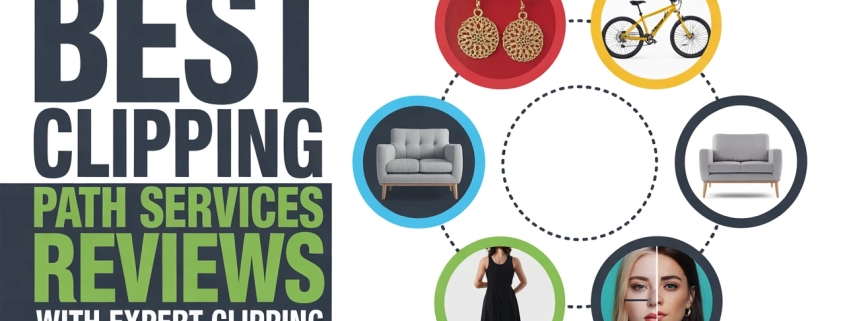
BEST Clipping Path Service Reviews

How Pricing & Turnaround Impact Image Quality

Speed is tempting, but rushing editing can backfire.

Speed Level Typical Outcome
Very Slow Precise, but delays workflow
Standard Balanced quality & time
Super Fast May sacrifice accuracy or layering

Services like Expert Clipping find the perfect balance—fast delivery with top detail.

Real Reviews: What Buyers Say About Top Providers

Here’s what real customers shared across platforms:

⭐⭐⭐⭐⭐ “Expert Clipping handled our fashion shoot edits flawlessly. Edges were tight, and delivery was faster than promised.”

⭐⭐⭐⭐⭐ “We use their ghost mannequin services for all our apparel photos. The invisible effect looks amazing every time.”

⭐⭐⭐⭐⭐ “I trust them for jewelry retouching services—the sparkle and detail make our products shine.”

Expert Clipping vs Others: Comparison Table

Feature Expert Clipping Clipping Factory Fiverr Sellers
Turnaround Time 6–12 hours 24–48 hours Varies
Trial Offer ✅ 3 Free Images ✅ 1 Image
Pricing Transparency ✅ Clear rates ❌ Vague fees ❌ Varies
Review Ratings ⭐ 4.9/5 ⭐ 3.8/5 ⭐ 3.0/5
Support Availability 24/7 Business hours Hit or miss
Specialization Fashion, jewelry General Mixed quality

Get Instant Cost Estimate on our site before committing.

Where to Find Reliable & Affordable Clipping Path Services

Reliable doesn’t have to mean expensive.

  • Expert Clipping – Best for consistent quality + value
  • Upwork – Mixed quality; vet carefully
  • Clipping Factory – Budget-friendly, slower delivery
  • Local studios – Reliable but pricier

Subscribe & Save on Bulk Editing with Expert Clipping’s tiered plans.

Which Companies Offer Free Trials or Sample Edits?

Company Free Trial? Notes
Expert Clipping ✅ 3 images Fast turnaround, high detail
Clipping Path India ✅ 1 image Slower response time
Fiverr sellers Rarely offer samples

Always test before committing—especially for bulk orders.

Should You Trust Services with Few Reviews?

Short answer: Be cautious.

Everyone starts somewhere, but lack of reviews = lack of proof. Look for:

  • Verified buyer feedback
  • Case studies or sample portfolios
  • Free test offers

Transparency builds trust.

Hidden Fees: What You Need to Know

Some providers lure you in with low rates, then sneak in charges for:

  • File formats like PSD
  • Complex paths
  • Faster delivery
  • Revisions

Expert Clipping offers flat pricing no surprise charges.

Final Thoughts + Actionable Takeaways

Choosing a clipping path service is more than a price decision. It’s about quality, communication, and trust. Reading clipping path service reviews helps you make the smart choice.Need clean, professional edits? Try photo retouching services today with zero risk. Start with a free trial and see the results for yourself.

Key Takeaways:

  • Read reviews and ask for samples
  • Don’t fall for “too cheap to be true” rates
  • Test responsiveness and turnaround before bulk orders
  • Look for transparent pricing and detailed edge work
  • Services like Expert Clipping offer trial edits and instant quotes—risk-free!

FAQs: Frequently Asked Questions

  1. What is the most accurate clipping path service?
    Expert Clipping is consistently rated for accuracy, especially with intricate edges like jewelry or fashion items.
  2. How can I evaluate clipping path quality before paying?
    Request sample edits and check for smooth edges, no background halo, and layering options. Use a trial service.
  3. Can poor communication impact the final image results?
    Absolutely. Miscommunication leads to misinterpreted instructions. Choose services with fast and clear responses.
  4. Are there hidden costs I should watch out for in image clipping?
    Yes—some services charge extra for PSD files, complex images, or faster delivery. Always clarify before starting.
  5. Where can I find customer reviews for clipping services like Path Edits?
    Check Trustpilot, Clutch, or their official websites. Verified reviews provide insight into quality and reliability.

Ready to see the difference yourself?
Request Your First 3 Images Free
Get Instant Cost Estimate
Subscribe & Save on Bulk Editing

,

Best Clipping Path Service in 2025: Compare Providers, Prices & Quality

Best Clipping Path Service in 2025

In the fast-moving world of eCommerce, photography, and digital marketing, one thing remains constant – high-quality visuals drive engagement and sales. But how do you make a product image stand out on a white background while keeping shadows natural and edges crisp? The secret lies in using the best clipping path service.

Whether you’re a startup on a tight budget, a professional photographer, or an online retailer managing thousands of product images, this guide walks you through everything you need to know. We’ll compare top providers, pricing, features, and turnaround times — and yes, we’ll even share real customer reviews.

If you’re looking for affordability, speed, and quality, Expert Clipping is a name you’ll want to remember — and test risk-free with our “Request Your First 3 Images Free” offer.

What Is a Clipping Path Service & Why Does It Matter?

A clipping path is a precise outline created using tools like the Pen Tool in Photoshop to remove a subject from its background. It’s essential for eCommerce, where product images need to appear clean, consistent, and clickable. Just like cropping a photo for your passport — every pixel counts.

Top Factors to Consider Before Choosing a Provider

Before committing, consider:

  • Accuracy of clipping
  • Turnaround time
  • Cost per image
  • Revisions policy
  • Customer support availability
  • Bulk pricing or subscription options
  • Free trial availability

➡️ Pro Tip: Always test with a free sample before you scale. Use offers like “Request Your First 3 Images Free”.

DIY vs. Professional: What’s Worth Your Time?

You could try to clip 500 images yourself — but would you rather spend 20+ hours with a mouse or grow your business? Professionals use high-precision tools, work faster, and often offer shadow preservation or color correction to elevate your visuals. DIY might save cash short term, but time = money.

How Outsourcing Saves Time & Resources

Outsourcing allows teams to:

  • Launch products faster
  • Handle large volumes during peak seasons
  • Avoid hiring and training in-house editors
  • Focus on marketing, not pixel pushing

💡 Imagine outsourcing is like having a pit crew — they do the technical work while you drive the business forward.

Average Clipping Path Prices in 2025

Here’s what to expect in 2025:

Service Type Average Price Per Image
Basic Clipping $0.25 – $0.49
Medium Complexity $0.50 – $0.99
Complex Objects $1.00 – $2.50

💸 Use our “Get Instant Cost Estimate” tool to calculate based on volume and complexity.

Free Trials & Bulk Discounts — Who Offers What?

Provider Free Trial Bulk Discount Subscription Option
Expert Clipping ✅ 3 Images ✅ Tiered ✅ Subscribe & Save
Pixelz ✅ 3 Images ✅ Custom Plans ✅ Monthly
Path Edits ✅ 2 Images ✅ Yes
Creative Clipping
Offshore Clipping ✅ 1 Image

Expert Clipping stands out with flexibility and a bulk-friendly model.

Fastest Turnaround: 6-Hour & 24-Hour Providers

Need results yesterday?

Provider Turnaround (Basic) Rush Option
Expert Clipping 6–12 Hours ✅ As fast as 3 hours
Pixelz 12–24 Hours
Offshore Clipping 24–48 Hours
Creative Clipping 24 Hours

Speed matters for flash sales and seasonal product drops.

Complex Paths: Fur, Glass, Smoke & Translucent Items

Not all clipping is equal. Complex images — think jewelry, furry pets, smoke, sheer fabric — need experienced hands.

Expert Clipping and Color Experts Intl. handle complex jobs with hand-drawn precision.

Services That Include Retouching, Shadows & Mannequins

Some companies are one-trick ponies. Others offer:

Expert Clipping does it all under one roof, so you don’t juggle multiple vendors.

The AI vs. Human Touch Debate

While AI tools are fast, they often miss details like fine hair or shadow blending. Providers like Expert Clipping combine AI-powered previews with manual precision — the best of both worlds.

🎯 Think of it as using GPS with a human co-pilot — smart and reliable.

Best Services for Photographers & Creative Agencies

Photographers need:

  • Accurate masking
  • Skin retouching
  • Lighting corrections

Creative agencies need:

  • Consistent quality
  • Brand-aligned edits
  • Scalability

👉 Expert Clipping offers custom workflows for both.

12. Best Providers for eCommerce Product Optimization

Company Amazon/Etsy Optimized Image SEO Tags White BG + Shadow
Expert Clipping
Pixc
Path Edits

📈 Better images = higher conversion rates. Period.

Who Offers the Best Value for Startups?

Startups need:

  • Affordable pricing
  • Fast delivery
  • Low minimum order size

Expert Clipping is startup-friendly — starting at $0.25/image, with first 3 images free and no long-term commitment.

2024–2025 Top-Rated Clipping Path Companies

Provider Rating (Avg.) Best For
Expert Clipping ⭐ 4.9/5 All-rounder, value
Pixelz ⭐ 4.5/5 High-volume automation
Offshore Clipping ⭐ 4.3/5 Budget bulk processing
Creative Clipping ⭐ 4.4/5 Manual creative work
Color Experts Intl. ⭐ 4.7/5 Premium quality, detail

Comparison Table: Pricing, Turnaround, Features

Company Price Range Speed Free Trial Bulk Deals AI + Manual
Expert Clipping $0.25–$2.00 3–24 hrs
Pixelz $0.39–$2.50 12–48 hrs
Offshore Clipping $0.29–$1.99 24–72 hrs

Final Verdict: Which One is Best for You?

If you want a service that combines affordability, speed, quality, and customer-first policies, Expert Clipping checks every box.

  • Startups? ✅
  • Photographers? ✅
  • eCommerce sellers? ✅
  • Creative agencies? ✅

💥 Don’t just take our word for it — Request Your First 3 Images Free and see for yourself.

Real Customer Reviews

“Expert Clipping helped us scale our Amazon listings. We tested 3 images for free, and now they handle over 1,000 images per month!”
Jessica M., Ecom Manager

“The turnaround was insane — 6 hours for 200 images, all pixel perfect.”
Liam D., Product Photographer

“Compared to Pixelz, Expert Clipping gives more personalized support and higher attention to detail.”
Shalini V., Creative Director

FAQs

  1. What is the best clipping path service in 2025?
    Expert Clipping leads with its blend of affordability, speed, and quality. Others like Pixelz and Color Experts Intl. are strong too, especially for niche needs.
  2. Can I get a free sample before committing?
    Yes! Most providers including Expert Clipping offer 3 free trial images to test quality.
  3. Are clipping path services suitable for photographers?
    Absolutely. Services like Expert Clipping and Color Experts Intl. offer detailed retouching, masking, and enhancements tailored for photographers.
  4. What’s the fastest I can get my images back?
    With rush delivery, you can get edits in as little as 3–6 hours, especially with providers like Expert Clipping.
  5. Do clipping path services improve conversion rates?
    Yes! Clean, professional images improve click-throughs and boost trust, especially on platforms like Amazon or Shopify.

Ready to try the best clipping path service in 2025?
💡 Request Your First 3 Images Free | 📊 Get Instant Cost Estimate | 💼 Subscribe & Save on Bulk Editing

,

Image Clipping Path Services vs DIY | Pros & When to Outsource

Image Clipping Path Services

Imagine trying to cut out a picture from a magazine with shaky hands and blunt scissors—that’s kind of what DIY image editing can feel like. Now picture handing it over to a skilled artist with precision tools. That’s the difference professional image clipping path services make.

Whether you’re an e-commerce seller drowning in product photos, a photographer chasing perfection, or a design agency juggling deadlines, choosing between DIY and outsourcing can be a game-changer. Let’s break down the when, why, and how of both options while giving you a real feel for what brands like Expert Clipping can do.

What is a Clipping Path Service and Why It Matters

A clipping path is a closed vector path or shape used to cut out an image from its background. Think of it as a pair of digital scissors.

Without it, your product photo could look unprofessional or blend poorly with your website design. Clipping path services are essential for e-commerce, advertising, catalogs, and print design.

The Role of Clipping Path in E-Commerce Success

E-commerce thrives on visuals. Clean, background-free product photos sell better. Here’s how image clipping path services help:

  • Consistency across product listings.
  • Increased conversions through better presentation.
  • Faster load times with optimized files.

👉 Expert Clipping offers services tailored for Shopify, Amazon, and WooCommerce.

Types of Clipping Paths Explained

Type Description Ideal For
Simple One object with smooth edges Phones, bottles
Complex Multiple curves and holes Jewelry, furniture
Compound Multiple objects in one photo Apparel sets, food plates

Manual Clipping Path vs. AI: Which is Better?

AI is fast—but it’s not always precise. Manual paths, drawn by trained designers, handle complex edges like hair and fine jewelry better.

Pro Tip: For bulk e-commerce edits, Expert Clipping uses a hybrid model—AI for speed, human eyes for quality.

Real Costs of Professional Services

Pricing varies based on complexity:

Service Level Estimated Cost (Per Image)
Simple $0.49 – $0.99
Medium $1.00 – $2.00
Complex $2.50 – $5.00

💡 Get Instant Cost Estimate with Expert Clipping’s pricing calculator.

File Formats & Output Options

Top formats supported:

  • JPG
  • PNG (with transparency)
  • PSD (layered)
  • TIFF
  • SVG

You can request your desired output dimensions and background (white, transparent, or custom).

Turnaround Time: What to Expect

Most services deliver in 12–48 hours depending on volume.

📣 Expert Clipping guarantees:

  • 12-hour delivery for urgent tasks
  • 24/7 support availability

High-Volume Editing: Can It Be Fast & Accurate?

Yes—with the right team.

Companies like Expert Clipping process 5,000+ images/day, maintaining accuracy with team segmentation and double-check protocols.

Why Outsourcing Can Be a Lifesaver

DIY challenges:

  • Time-consuming
  • Risk of inconsistency
  • Need for expensive software

Outsourcing benefits:

  • Speed
  • Scalability
  • Professional polish

🎁 Request Your First 3 Images Free → Try before you subscribe.

Top Providers in 2025: Who Leads the Pack?

Company Specialty Trustpilot Rating
Expert Clipping Bulk edits, 24/7 support ⭐ 4.9
Pixelz AI + human review ⭐ 4.6
Path Edits Low-cost, simple edits ⭐ 4.5
Offshore Clipping Jewelry & fashion ⭐ 4.4
Clipping Path Studio Ecommerce brands ⭐ 4.3

Choosing the Right Partner for Your Business

Ask yourself:

  • Do they offer free trials?
  • What’s the average turnaround?
  • Can they handle bulk orders?
  • Do they sign NDAs?

Expert Clipping checks all these boxes.

Best Value-for-Money Clipping Path Services

If you need affordability without sacrificing quality, here are the best options:

Company Starting Price Free Trial?
Expert Clipping $0.49
Path Edits $0.39
Pixelz $0.59 Limited
UK Clipping $0.50

Customer Support & Delivery: 24/7 Options

Expert Clipping and Pixelz offer round-the-clock chat and email support, making them perfect for global clients across time zones.

Bulk Editing with Expert Clipping

Need to edit thousands of product images?

📉 Subscribe & Save on Bulk Editing:

  • Tiered discounts
  • Dedicated account manager
  • Custom workflows

Extra Services: Shadows, Color, Vector & More

Add-ons you can request:

  • Drop shadows
  • Natural reflections
  • Color correction
  • Ghost mannequins
  • Image masking
  • Vector conversion

All offered by Expert Clipping in one dashboard.

Our Customer Reviews

⭐⭐⭐⭐⭐ “Expert Clipping helped us rebrand our entire Shopify store. The turnaround time was incredible!”
Lina R., Fashion Brand Owner

⭐⭐⭐⭐⭐ “As a photographer, I’m picky. But these guys nailed it—every strand of hair was perfectly clipped.”
Jake M., Commercial Photographer

⭐⭐⭐⭐ “Affordable and reliable. I use them for my Amazon FBA listings regularly.”
Mohammad A., Online Seller

Security, Scalability & NDAs

Key features to demand:

  • NDA agreements
  • GDPR compliance
  • Secure file transfers
  • Scalable for enterprise

Expert Clipping offers custom SLAs and enterprise integration.

Conclusion: When Should You Outsource?

If you’re spending more time editing than growing your business, it’s time to outsource.

DIY works for passion projects and one-off edits.
Professional services shine when speed, scale, and precision matter.

📩 Request Your First 3 Images Free with Expert Clipping
📊 Get Instant Cost Estimate with our pricing tool

FAQs

01. Is a clipping path the same as background removal?
Not exactly. A clipping path is used to cut out objects, which is one way to remove the background but masking is better for hair and fine edges.
02. Are AI tools like remove.bg good enough?
For simple edits, yes. But for pro-quality, AI often misses small details, especially on complex edges.
03. Can I request custom edits like color change or shadow effects?
Absolutely! Most services, including Expert Clipping, offer add-ons like shadows, color correction, and reflections.
04. What’s the fastest delivery time available?
Some companies offer 6–12 hour express delivery. Expert Clipping offers rush edits with dedicated support.
05. Is it safe to share images with online editors?
If the provider uses secure channels and NDAs (like Expert Clipping), your images are safe.

,

How to Create a Path in Photoshop

How to Create a Path in Photoshop

Let’s Get Real Paths Can Be Scary (But They Don’t Have to Be)

I remember the first time I opened Photoshop and tried using the Pen Tool. It felt like trying to write with my left hand while blindfolded. The anchor points, the weird little handles, the curves it all looked so technical.

But here’s the truth: creating a path in Photoshop is easier than it looks and once you get it, it’s like riding a bike. You won’t want to go back.

Quick answer: A path in Photoshop is a flexible line or shape you create using the Pen Tool to outline, clip, or isolate parts of an image. This technique is essential for services like clipping path services, where precise outlines make or break the final output.

What’s a Path Anyway?

Think of a path as the skeleton of your edit. It doesn’t show up in your final image unless you want it to. But it gives you the structure to clip, mask, or select anything precisely.

Short version: A path is a vector outline you can save, edit, and turn into a selection anytime. This foundational step plays a big role in professional image editing, especially when working with a clipping path service provider.

I like to compare it to tracing paper. You’re not drawing on the image—you’re drawing over it.

Why Should You Care About Paths?

I used to rely on the Magic Wand tool to cut out products, but it always left weird jagged edges. Total nightmare. When I learned to use paths, everything changed. My cut-outs became clean. Professional. No more awkward halos or missing pixels.

TL;DR: Paths give you control, accuracy, and clean edges—especially useful for product photography and graphic design. It’s what sets a true clipping path service company apart from the rest.

The Pen Tool Your New Best Friend

If paths are the skeleton, the Pen Tool is your chisel. It lets you carve out shapes, one point at a time. Sounds intense? It’s not. Let’s break it down.

Pen Tool Variations (and When to Use Them)

Here’s what you’ll find in the Pen Tool family:

  • Standard Pen Tool – Best for full control.
  • Curvature Pen Tool – Makes curves smoother for beginners.
  • Freeform Pen Tool – Good for fast, loose outlines.
  • Add/Delete Anchor Point Tools – Used to edit your path later.
  • Convert Point Tool – Helps you switch between curves and corners.

Tip: Start with the Standard Pen Tool. It gives you full control and helps you learn faster.

Before You Click Set Up Your Workspace

When I forget to set things up first, I usually mess up halfway through. Save yourself the headache.

1. Open and Duplicate Your Image

Always work on a duplicate layer. That way, if things go sideways, you still have the original.

Shortcut: Ctrl+J (Cmd+J on Mac) duplicates your layer instantly.

2. Enable the Paths Panel

Go to Window > Paths to open the panel. It’s where all your paths will live.

Pro tip: This panel is your control room for managing saved paths.

Let’s Create Your First Path – Step by Step

Here comes the fun part. Stick with me—I promise it’s not as hard as it looks.

Step 1: Choose the Pen Tool

Just press P on your keyboard or click it in the toolbar. In the top bar, make sure “Path” is selected not Shape or Pixels.

Snippet-ready tip: Always select “Path” in the options bar before drawing, or you’ll end up drawing shapes.

Step 2: Click to Drop Anchor Points

Click once to drop your first point. Keep clicking to form straight lines. Each point becomes a corner unless you curve it.

Think of anchor points like nails in a string art project you’re building the outline one point at a time.

Step 3: Drag to Create Curves

Want a curve? Click and drag instead of just clicking. You’ll see little handles appear—these bend your path like rubber bands.

Snippet version: Click-drag to create curves with the Pen Tool. Handles let you shape the curve’s direction.

Step 4: Close the Path

Finish by clicking the first point again. You’ll see a tiny circle appear this means you’re about to close the shape.

Real talk: Don’t stress about perfection. You can edit every point later.

Oops! Made a Mistake? Here’s How to Fix It

I’ve accidentally clicked the wrong spot more times than I can count. The good news? Everything is fixable.

Use the Direct Selection Tool

Press A to grab the white arrow tool. This lets you move individual anchor points.

Fast fix: Select and drag any point to adjust it—no need to redraw the whole thing.

Convert Points for More Control

Want to turn a smooth curve into a sharp corner? Use the Convert Point Tool. Click to change the type of anchor point.

Snippet: Convert anchor points to switch between curves and corners without redrawing.

Don’t Forget to Save Your Path

This is where most beginners slip up. If you don’t save it, it’s gone.

Save It in the Paths Panel

Double-click the “Work Path” in the Paths Panel. Name it something useful like “Product Outline.”

Important: If you don’t save your path, Photoshop will delete it when you make a new one.

Turn It Into a Selection

Once you’re done, click Load Path as Selection (the dotted circle icon). Now it’s ready to mask, delete, or fill.

TL;DR: Save your path and load it as a selection when you’re ready to use it.

Common Mistakes (I’ve Made Them Too)

Let me save you some trial and error. These are the top slip-ups I see (and have made).

Using Too Many Anchor Points

When I first started, I thought more points = more control. Nope. It just made everything lumpy and hard to fix.

Rule of thumb: Use the least number of points possible. Fewer points = smoother paths.

Related Resource: If you’re editing apparel shots, don’t miss our ghost mannequin services for a clean, invisible mannequin effect. Or check out our product photo retouching to polish your final images.

Skipping Path Names

Naming things matters. Especially when you have more than one path. Don’t be “Untitled Path 37” guy.

Quick win: Name your path as soon as you save it. Saves time later.

Want to Get Fancy? Here Are Some Pro Tips

Zoom in for Precision

Use Ctrl + (+) to zoom in close when placing points. It’s easier to follow fine edges.

Real-world advice: Good paths are made at 300% zoom—not 100%.

Use Guides and Rulers

Enable rulers from View > Rulers, then drag out guides. It helps keep things straight and even.

Combine Paths for Complex Shapes

Hold Shift while using the Pen Tool to add to an existing path. You can even subtract shapes for cut-outs.

Snippet-ready tip: Shift+click to add to a path; Alt+click to subtract.

Wrapping It All Up

Learning how to create a path in Photoshop is like learning to tie your shoes. It feels clumsy at first. But soon, it’s second nature.

Paths give your work a polished, professional edge. Whether you’re editing product shots, designing logos, or just cleaning up a background, this one skill opens a whole world of creative control.

Trust me once you get it, you’ll never go back to quick-selection tools.

FAQs

1. What exactly is a path in Photoshop?

A path is a vector line or shape used to outline, clip, or mask parts of an image without losing quality.

2. Is the Pen Tool the only way to create paths?

Mostly yes, but you can also use the Shape Tools or Freeform Pen Tool to build paths.

3. Can I use paths for text?

Yep! Use the Type Tool and click near a path. The text will wrap around it like magic.

4. Are paths better than selections?

Absolutely—for precision work. Paths don’t pixelate and are 100% editable.

5. How do I edit a saved path?

Use the Direct Selection Tool (A) to adjust anchor points. You can move, delete, or reshape them anytime.

How to Make a Path in Photoshop

How to Make a Path in Photoshop

So, you’re sitting in front of your computer, staring at Photoshop, wondering how on earth to “make a path.” I’ve been there. The first time I heard the word path, I thought I was about to go hiking.

Turns out, making a path in Photoshop is way easier than hiking. And no blisters.

Let’s break it down, step-by-step, in a way that actually makes sense even if you’ve never touched the Pen Tool in your life.

What Is a Path in Photoshop? (And Why Should You Care?)

A path in Photoshop is like a wireframe outline. You can shape it into anything—straight lines, curves, weird custom shapes. And here’s the magic: it doesn’t lose quality when you scale it.

Short answer? A path is a flexible outline you can use for selections, masks, or drawing precise shapes.

So whether you’re cutting something out, adding a smooth edge, or designing a logo, paths are the unsung heroes behind the scenes.

Let’s Talk Tools: What You’ll Use to Make Paths

Before we dive in, you need to know what tools actually create paths. Luckily, Photoshop gives you options.

Pen Tool: Your New Best Friend

Think of this as your scalpel precise and powerful. The Pen Tool lets you drop anchor points and draw both straight lines and curves. It’s the go-to tool for making professional paths.

Quick tip: Tap P on your keyboard. That’s the shortcut to summon this guy.

Freeform Pen Tool: For the Doodlers at Heart

More of a free spirit? This tool lets you draw paths by hand, and Photoshop will clean up the anchor points for you. It’s less precise than the standard Pen Tool but fun for quick sketches.

Shape Tools: Geometry Meets Design

Want a circle? A square? A star? The Shape Tools make perfect geometric paths in seconds. Just remember to switch from “Shape” to “Path” mode in the top toolbar.

Okay, Let’s Make a Path Together

Alright, now comes the fun part actually making a path. Don’t worry, I’ll walk you through it like we’re sitting side by side.

Step-by-Step with the Pen Tool

  1. Choose the Pen Tool (press P).
  2. Make sure “Path” is selected in the top bar (not “Shape” or “Pixels”).
  3. Click to add points along the edge of what you’re outlining.
Drawing Straight Lines

Click once to start. Click again somewhere else. Bam! Straight line.

Want a triangle? Click three times in different spots, then loop back to the starting point. Photoshop connects the dots like a game of connect-the-stars.

Adding Smooth Curves

Click once, then click and drag the second point. You’ll see handles pop out—those let you control the curve. It’s a bit like bending a wire hanger into the shape you want.

Quick win: Practice curving around a coffee mug image. It’s oddly satisfying.

Using the Shape Tool for Fast Paths

Want a quick oval or rectangle path?

  1. Choose a Shape Tool (like Ellipse Tool).
  2. Up top, set the mode to “Path.”
  3. Click and drag to draw your shape.

Now you’ve got a perfect, editable path in seconds. Nice, right?

Editing Paths Without the Headache

Ever draw something, then wish you could tweak it a bit? Yep, same with paths.

Moving Points Around (Like Rearranging Furniture)

Use the Direct Selection Tool (press A) to click and drag any anchor point. Move it where you want. No mess, no stress.

Adding or Removing Anchor Points (Fine-Tuning Your Path)

You can add a point by clicking anywhere on the path with the Add Anchor Point Tool.

Want to delete one? Use the Delete Anchor Point Tool and click it away.

Little tip: Keep it simple. More points = more complexity.

Turn a Path into a Selection (Yes, You Can!)

Paths can become selections in one click.

  • Open the Paths Panel (Window > Paths).
  • Click your path.
  • Click the dotted circle icon at the bottom.

Boom instant selection. Now you can mask, copy, or apply adjustments just to that area.

Cool Tricks with Paths You’ll Want to Know

Let’s level up a little.

Stroking a Path (Outlining It Like a Pro)

Want to trace your path with a brush?

  1. Pick your brush size and color.
  2. In the Paths Panel, right-click your path and hit Stroke Path.
  3. Choose “Brush” from the dropdown.

This is awesome for hand-drawn effects or outlining text.

Saving Paths for Later (Because Who Likes Redoing Work?)

Paths are temporary unless you save them.

  • In the Paths panel, double-click “Work Path.”
  • Name it something clear like “Product Outline” or “Logo Curve.”

Now it’s there even if you close the file.

Combining Multiple Paths (Path Party!)

Use the Path Selection Tool to drag and select multiple paths.

Then up top, choose Add, Subtract, or Intersect path options. It’s like Photoshop math.

Real-Life Ways to Use Paths (This Is Where It Gets Good)

Alright, you’re probably wondering, “When would I actually use a path?” Let’s get into it.

Clipping Paths for Background Removal

If you work in e-commerce or print design, clipping path services are gold.

  • Draw a clean path around the object.
  • Save the path.
  • Set it as a Clipping Path from the Paths panel menu.

Now you’ve got a background-free image that’s print-ready.

Ghost mannequin edits for fashion shots

For apparel brands, using a ghost mannequin service provider makes your products stand out cleanly—like they’re floating, without distraction.

Mastering client education in photo editing

It also helps to understand how to guide clients through the editing process. This mastering client education guide is a great resource if you’re freelancing or managing expectations.

Put Text on a Path (It Looks Fancy, Trust Me)

Want your text to follow a curve or circle?

  • Make a path with the Pen or Ellipse Tool.
  • Choose the Text Tool.
  • Hover over the path until the cursor changes.
  • Click and start typing.

It’s perfect for logos, badges, and modern layouts.

Final Thoughts: It’s Just a Path, Not Rocket Science

If paths seemed intimidating before, I hope now they feel more like old friends. It’s really just connecting dots and shaping curves. Like sketching with a plan.

And once you get the hang of it, you’ll wonder how you ever designed without them. Start small, make mistakes, play around. That’s how I learned—one crooked path at a time.

FAQs

Q1: What’s the fastest way to make a path in Photoshop?
Use the Shape Tools in “Path” mode for perfect, instant paths—great for beginners.

Q2: Can I turn any shape into a path?
Yep! Just use the Path mode when drawing, or convert a shape layer into a path.

Q3: Is the Pen Tool hard to use?
At first, maybe. But give it 20 minutes and a few coffee breaks—you’ll get the hang of it.

Q4: Why should I use a path instead of the Lasso Tool?
Paths are way more precise and reusable. Lasso’s quick, but paths are cleaner.

Q5: Can I export paths to Illustrator?
Absolutely. Copy your path in Photoshop, then paste it directly into Illustrator as a vector shape.

,

How to Create a Clipping Path in InDesign (Even If You’re Not a Pro)

How to Create a Clipping Path in InDesign

Let’s be real when I first tried using a clipping path in InDesign, I had no clue what I was doing. I thought, “Do I really need this?” Turns out, yes. If you’re working on a layout where images need to blend in perfectly think catalogs, magazines, or flyers — this little trick can save you hours and make you look like a pro, even if you’re not there yet.

Let’s Start with the Basics: What’s a Clipping Path?

Here’s the short answer: A clipping path is like a cookie cutter for your image. It tells InDesign what part of the image should show and what should stay hidden.

It’s a path usually made with vector lines that wraps around the subject. Everything outside that path? Gone. Think of it like trimming a photo with scissors, but digitally.

Snippet-worthy: A clipping path removes background clutter so your image fits seamlessly into your layout.

Why Would You Even Need One in InDesign?

Make Your Design Look Cleaner

If you’re dropping images into a layout and don’t want a messy background ruining the vibe, clipping paths are your best friend. They help your photos sit just right on the page.

Snippet-worthy: Clipping path services help isolate your subject, giving your designs a polished, professional look.

Get That Magazine-Style Text Wrap

Ever noticed how text in magazines flows around a person or object so naturally? That’s clipping path magic.

Snippet-worthy: Use clipping paths in InDesign to wrap text around images like a professional designer.

Control What Shows (and What Doesn’t)

Need to hide parts of a logo or product shot? A clipping path gives you total control no cropping needed.

Before We Begin: Prepping Your Image

Quick Detour into Photoshop Land

Okay, quick side note. If you want clean paths, sometimes it’s better to draw them in Photoshop first. Just open the image, use the Pen Tool to trace what you want, and save it.

Snippet-worthy: You can prep clipping paths in Photoshop using the Pen Tool for cleaner results in InDesign.

Save Your Image the Right Way

Make sure you save it as a PSD, TIFF, or EPS these formats keep the path info intact. If you use JPEG, it might forget the path and cause headaches later.

Now, Let’s Create a Clipping Path in InDesign

Option 1: Use a Path You Made in Photoshop

Simple Step-by-Step Walkthrough

Here’s how I do it (and trust me, it’s easier than it sounds):

  1. Drop your image into InDesign.
  2. Select it, then go to Object > Clipping Path > Options.
  3. Under ‘Type,’ choose “Photoshop Path.”
  4. Pick the path you made in Photoshop.
  5. Adjust things like Threshold and Tolerance to fine-tune the edges.
  6. Click OK—and you’re done!

Snippet-worthy: You can apply a Photoshop-made path in InDesign by choosing “Photoshop Path” under Clipping Path options.

Option 2: Use InDesign’s “Detect Edges” Tool

How to Make It Actually Work Well

Didn’t make a path in Photoshop? No worries. InDesign has a built-in “Detect Edges” option.

Here’s the trick: make sure your background is solid and different from the object. That makes detection more accurate.

Snippet-worthy: InDesign’s “Detect Edges” feature works best when your image has a clear contrast between subject and background.

Option 3: Draw the Path Yourself in InDesign

Channel Your Inner Artist

Sometimes you just need to take matters into your own hands.

  1. Use the Pen Tool to draw around the object.
  2. Select both the image and the path.
  3. Go to Object > Clipping Path > Options, and select “User-Defined.”

Boom. Instant custom path.

Snippet-worthy: You can manually create clipping paths in InDesign using the Pen Tool and the Object > Clipping Path settings.

Looking for Professional Help?

If DIY clipping paths feel overwhelming or you need more advanced edits like invisible mannequins or product cleanups, professional services can save you time and ensure pixel-perfect results.

Getting Fancy: Advanced Clipping Tricks

Use Compound Paths for Creative Effects

Want to place a photo inside multiple shapes or a custom design? Compound paths let you do that. Just draw the shapes, select them, and go to Object > Paths > Make Compound Path.

Snippet-worthy: Use compound paths in InDesign to create complex image frames or multi-shape masks.

Put Images Inside Text (Yes, Really)

This one’s a personal favorite. Turn your headline into an image frame.

  1. Type your text.
  2. Convert it to outlines: Type > Create Outlines.
  3. Paste an image inside.

It’s perfect for poster designs or bold magazine layouts.

Fixing the Little Things That Bug You

Tweak Anchor Points Like a Boss

Use the white Direct Selection Tool to click on and drag individual anchor points. This helps clean up jagged edges.

Snippet-worthy: Adjust anchor points in InDesign with the Direct Selection Tool to refine your clipping path.

Feather the Edges for Soft Transitions

A hard edge can sometimes feel… well, too hard. Feathering helps blur the edge just slightly so it blends better.

  1. Select your image.
  2. Go to the Effects panel.
  3. Add a feather radius. Start small!

Add Some Effects for Polish

Try adding drop shadows or glow effects after clipping. It adds dimension and makes your design pop.

Real Talk: What to Watch Out For

Don’t Overthink the Path

You don’t need to trace every tiny detail. In fact, simpler paths often look cleaner and load faster in InDesign.

Snippet-worthy: Keep clipping paths simple to avoid clutter and ensure better performance in InDesign.

Blurry Images = Bad Vibes

This one stings. I’ve done layouts with gorgeous paths… only to realize the image is pixelated. Always use high-resolution files (300 DPI is the sweet spot).

Final Thoughts: It’s Not About Perfection

Look, you don’t need to be a Photoshop wizard or InDesign guru to nail clipping paths. Like most things in design, it’s about trying stuff, messing up, and learning as you go. Every time I use clipping paths, I feel a little more in control of my layout and that’s a win in my book.

FAQs About Clipping Paths in InDesign

Q1: Can I remove a clipping path later if I mess up?
Yes! Go to Object > Clipping Path > Options and choose “None.” It’s like an undo button for paths.

Q2: What image format is best for clipping paths in InDesign?
PSD and TIFF are great because they keep your path data intact. Avoid JPEG if possible.

Q3: Can I clip images inside shapes other than rectangles?
Totally. Just draw any shape and place the image inside. You can even make it a star or a custom blob.

Q4: Is “Detect Edges” always accurate?
Not really. It works best when the object stands out clearly from the background. Otherwise, it gets a little confused.

Q5: What if I want to use the same path in another project?
Save the image with the clipping path in Photoshop. Next time you use it in InDesign, it’ll remember the path.

,

How to Use the Pen Tool

How to Use the Pen Tool

If you’ve ever opened Illustrator or Photoshop and seen that strange ink-pen icon and thought, “What does that even do?”  oh, I’ve been there.

The Pen Tool feels like learning to ride a bike all over again awkward at first, but once it clicks, it’s smooth sailing. So let me break it down in a way that actually makes sense. Like, real-life, “just tell me what to click” kind of help.

What’s the Pen Tool, Really?

In short? It’s your best friend for drawing clean, crisp shapes and lines.

You use it to create paths lines made from anchor points (little dots) that can be straight or curvy. Think of it like playing connect-the-dots, but you get to control the curves between the dots.

This is the tool behind most logos, vector art, and perfect cut-outs in Photoshop. No fuzz, no pixelation. Just clean lines. If you’re planning to make precise selections for background removal or cut-outs, mastering this tool is key.

Answer: The Pen Tool is used to draw precise, scalable vector paths using anchor points in design software like Illustrator or Photoshop.

Why the Pen Tool Feels So Tricky at First

I’ll be honest when I first tried it, I hated it.

It felt like I was battling a robot that wouldn’t listen. But here’s the thing: it’s not broken. It’s just different. The Pen Tool is like using chopsticks for the first time you fumble at first, but then it clicks.

Most people expect it to work like a pencil, but it’s more like a string you’re shaping one point at a time.

Answer: The Pen Tool feels hard at first because it works with anchor points and curves, not like freehand drawing.

Getting Started Without the Overwhelm

Let’s keep it simple. Here’s what to look for.

Where to Find It

In Illustrator or Photoshop, look to the left-side toolbar. It looks like an old-school fountain pen nib. Hit the “P” key for the shortcut.

Answer: You can access the Pen Tool by pressing “P” or clicking the pen icon in your toolbar.

Want to see this in action? Check out our Clipping Path Tutorial.

What It Looks Like

When you hover over your canvas, your cursor becomes a pen tip. Click once to create a dot (that’s an anchor point). Click again to create a line.

If you drag while clicking? You create a curve. More on that soon.

Drawing Basics: Lines, Points, and Curves

Straight Lines Are Just Clicks

Click once for the starting point, click again somewhere else to make a straight line. Keep clicking to continue the path. Easy.

Want to apply these skills for clipping path services? Straight lines come in handy for product edges and geometric shapes.

If you want to stop the path, just press Ctrl (Cmd on Mac) + Click anywhere on the canvas.

Answer: To make straight lines, just click once per point without dragging.

Curves: The Art of Dragging Just Right

This is where people freak out, but hang in there.

Click and drag to make a curve. The direction and length of your drag control the curve’s shape. It’s like stretching a rubber band between two points.

Answer: To draw a curve, click and drag; the direction and distance control the curve.

Anchor Points Explained Simply

Each point tells your path where to go. Straight ones just connect lines. Curved ones have “handles” that control the direction and strength of the bend.

Professionals at our clipping path service company use anchor points to create clean, scalable paths for high-quality image cut-outs.

Think of handles like puppet strings that you can pull to change how the path behaves.

Answer: Anchor points define a path’s direction; handles on them shape curves.

Let’s Talk About Handles

Handles are your superpower once you understand them.

What Are Handles?

When you make a curved anchor point, two little arms pop out those are handles. They control the slope of the curve coming out of that point.

Answer: Handles control the curve direction and strength coming from an anchor point.

How to Move and Adjust Them

Hold down Alt (Option) and drag a handle to move it without messing up the whole curve. It takes some getting used to, but once it clicks, you’ll fly.

Curious about advanced Pen Tool techniques? You’ll love our guide on how to use the Pen Tool in Photoshop.

Answer: Use Alt/Option to adjust one handle independently for fine-tuning curves.

Common Mistakes We All Make

I’ve made them all, so you don’t have to.

Too Many Points Syndrome

People think more points = better shape. Nope. Less is more. The fewer anchor points you use, the smoother your shape will be.

Answer: Using fewer anchor points creates smoother curves and simpler paths.

Overthinking Curves

Don’t try to make the perfect curve in one go. Place a few points, then adjust the handles. Trust me it’s easier that way.

Answer: Place anchor points first, then fine-tune curves using handles afterward.

Real-World Uses for the Pen Tool

So, what can you actually do with it?

Tracing Images for Clean Vectors

Ever had a photo and wanted a cleaner version of a shape in it? Import the image, lower its opacity, and trace it with the Pen Tool.

It’s like digital tracing paper super satisfying.

Answer: Use the Pen Tool to trace over images and create sharp vector outlines.

Making Custom Icons or Logos

This is where it shines. You can draw scalable logos that look crisp no matter the size. No blurry pixels, ever.

Answer: The Pen Tool helps create vector-based icons and logos that stay sharp at any size.

Creating Masks in Photoshop

Want to cut someone out of a background cleanly? Use the Pen Tool to draw around them, then convert the path into a selection. It’s essential in high-end photo retouching services.

Answer: Use the Pen Tool to create precise cut-out masks in Photoshop.

Tips That Changed the Game for Me

Here’s what I wish someone told me sooner.

Practice on Simple Shapes First

Try tracing squares, triangles, circles. You’ll start to “get” how the handles work when the shapes are predictable.

Answer: Practice on basic shapes to learn how paths and curves behave.

Use Zoom Like a Pro

Zoom way in to place anchor points more precisely. The closer you look, the cleaner your work.

Answer: Zoom in while placing points for better accuracy and cleaner paths.

Don’t Fear the Undo Button

Ctrl+Z (Cmd+Z on Mac) is your best friend. I probably hit it 1,000 times a day. It’s part of the process, not a mistake.

Answer: Use undo freely—it’s part of learning and perfecting your design.

Wrapping It Up

Learning the Pen Tool is like learning a new language. It’s awkward at first, but then it starts making sense and suddenly, you can say anything you want with your shapes.

Start slow. Trace easy stuff. Mess up a bunch. But stick with it. One day, you’ll draw something and realize, “Hey, that felt… easy.” That’s when you know you’ve got it.

Bonus: Need Clean Product Edits?

Want to apply your Pen Tool skills professionally or outsource the task? Our team offers multiple clipping path service, ghost mannequin services, and product photo retouching services to meet every eCommerce need.

FAQs
Is the Pen Tool only in Illustrator?
Nope! It’s in Photoshop, InDesign, and most vector tools like Figma and Affinity Designer too.
Can I edit a path after drawing it?
Yes, you can move anchor points, adjust handles, and reshape any path later.
Why won’t my path close?
Make sure you click directly on the first anchor point to close the loop.
What’s the best way to get better with it?
Daily practice—even 5–10 minutes of tracing something can make a big difference.
Can beginners learn the Pen Tool quickly?
Absolutely. Start small, practice often, and use Ctrl+Z like it’s your sketchpad’s eraser.

,

What is Clipping Path in Photoshop

What is Clipping Path in Photoshop

Ever wondered how people get those clean product photos with no background?

Here’s the short answer: It’s done using something called a Clipping Path in Photoshop.

If you’re like me, the first time you opened Photoshop, it probably felt like walking into a spaceship. So many tools, buttons, panels—it’s a lot. But over time, you pick up tricks that change everything. The clipping path is one of those game-changers, especially if you work with photos, design, or e-commerce.

Let me break it down like I would for a friend.

What Exactly Is a Clipping Path?

A clipping path is a way to cut out part of an image using the Pen Tool in Photoshop.

Imagine tracing around a sticker with a craft knife. That’s what you’re doing—digitally. You draw a path around the subject, then tell Photoshop, “Only show me what’s inside this line.” The rest? Gone like magic.

I remember my first clipping path. It took me 45 minutes to outline a coffee mug. Now, it takes five. Like anything, practice makes perfect.

Why Is It Such a Big Deal?

In simple terms: Clipping paths make images look clean and professional.

If you run an online store, your products need to shine. No messy backgrounds. No distractions. Clean, clear, and focused. That’s where clipping paths come in. They isolate the product, letting it speak for itself.

I once edited 200 images for a client’s Shopify store. Same white background. Same clean crop. Sales went up. Not magic—just better visuals.

Who Actually Uses Clipping Paths?

Here’s a quick answer: Photographers, online sellers, designers, and anyone who works with images.

I’ve worked with clients from all over—wedding photographers, Amazon sellers, even artists. They all need one thing: clean cutouts. Whether it’s for prints, catalogs, or digital ads, clipping paths are part of the process.

If you’ve ever thought, “This image would look better without the background,” you’re already halfway there.

The Tool That Makes It Happen: The Pen Tool

To create a clipping path, you’ll use the Pen Tool in Photoshop.

Don’t let it scare you. At first, it feels like using chopsticks with your non-dominant hand. But it’s surprisingly powerful. Each click adds an anchor point. Drag a little? You’ve got a curve.

Just remember: The fewer points, the smoother the path.

Pro tip: Zoom in to at least 200%. Your path will thank you.

Different Types of Clipping Paths (Yes, There’s More Than One)

Basic Clipping Path is for simple shapes—think boxes, books, or anything with straight edges.

Complex Clipping Path handles curves and holes, like a bike wheel or a necklace with loops.

Compound Paths involve multiple outlines, perfect for editing cutouts with holes (like inside letters “O” or “A”).

Multi-layer Clipping Path lets you separate different parts of the image—great if you want to edit colors or shadows individually.

Each one serves a different purpose. But the idea stays the same: isolate, clean, and control.

Clipping Path vs. Masking—What’s the Difference?

Here’s a quick way to remember:
Use clipping paths for sharp edges. Use masking for soft edges.

When I edited a model with flyaway hair, the clipping path didn’t work. It made her look like she had helmet hair. But with masking, I could blend the hair into a new background seamlessly.

So, if you’re cutting out a wine bottle? Clipping path. A person with curly hair? Go for masking.

Let’s Walk Through the Process (Step-by-Step)

Here’s how to create a clipping path like a pro:

1. Open Your Image

Simple. Open the photo you want to edit in Photoshop.

2. Select the Pen Tool

Press P on your keyboard. Make sure the top menu says “Path,” not “Shape.”

3. Start Drawing

Click to add anchor points around the subject. Click and drag for curves. It’s like connect-the-dots, but cooler.

4. Close the Path

Make sure your last point connects to your first. That completes the loop.

5. Convert the Path to a Selection

Go to the Paths panel, right-click the path, and select “Make Selection.” Boom—you’ve isolated your object.

Common Mistakes to Avoid (I’ve Made Them All)

  • Too many anchor points = jagged lines.
  • Not zooming in = sloppy edges.
  • Forgetting to feather = harsh cutouts.
  • Using auto tools when precision is key.

Trust me, we’ve all been there. But every mistake teaches you something.

Tips for Clean, Pro-Level Cutouts

  • Use fewer, smarter anchor points.
  • Always zoom in while tracing.
  • Work slowly—speed comes with experience.
  • Use a graphic tablet if you can. Total game-changer.

And if something looks off? Undo and try again. No shame in that.

Why Not Just Use Magic Wand or Quick Selection?

Short answer: They’re fast but not accurate.

Magic Wand is okay for solid backgrounds, but it often leaves weird edges. Clipping paths take longer but give you pixel-perfect control.

It’s the difference between fast food and home-cooked.

Why Clipping Path Matters for E-commerce

Product photos sell. That’s a fact.

If your item has a messy background, people won’t trust it. I’ve seen this firsthand. After switching to clipping paths and white backgrounds, a client saw their conversion rate jump 30%.

Clean photos build trust. Trust builds sales.

Helpful Tools to Speed Things Up

  • Wacom Tablets – Great for smoother hand tracing.
  • Photoshop Actions – Save your steps and repeat them with one click.
  • Plugins like GuideGuide – Helps with alignment and symmetry.

You don’t need fancy gear, but the right tools save time and stress.

So, Should You Learn It or Outsource It?

If you do it occasionally, learning is worth it. But if you have hundreds of images to edit, consider outsourcing.

There are tons of professional services (like this clipping path service provider) that offer pixel-perfect clipping paths—often within hours and at low cost.

Final Thoughts: It’s Worth Learning

At the end of the day, clipping path isn’t just a Photoshop skill—it’s a tool that gives you control over how your visuals look and feel.

It’s one of the first things I learned when I got into image editing. And even now, after a thousand cutouts, I still love how satisfying it is to isolate an object cleanly.

So if you’re curious, go ahead and try it. You might just fall in love with the process.

FAQs

1. What is a clipping path used for in Photoshop?

A clipping path is used to isolate an object from its background, giving you full control over how the image appears.

2. Is the Pen Tool hard to use?

At first, yes—but with practice, it becomes second nature. Just take your time.

3. Can I use auto tools instead?

You can, but they often leave rough edges. For clean, professional cutouts, the Pen Tool and manual clipping paths are better.

4. What’s better: Clipping path or masking?

Use clipping paths for solid objects with sharp edges. Use masking for soft or fuzzy edges like hair.

5. Do I need expensive tools to do clipping paths?

Nope! All you need is Photoshop and a mouse. A graphic tablet helps, but it’s not a must-have.