,

Best Women’s Tennis Shoes for Tennis Players

Best Women’s Tennis Shoes for Tennis Players

Choosing the right pair of court shoes can make or break your performance—and your comfort. If you’re hunting for the best women’s tennis shoes for tennis players, you’re in the right place. I’ve tested gear, reviewed lab results, talked to other players, and I’m ready to share clear advice you can trust—plus top picks across needs like wide feet, arch support, hard-court play and more. Let’s dive in.

The Best Cushioned Tennis Shoes for Comfort and Relief

If you find your feet aching after long matches or you suffer from plantar fasciitis, bunions or arch issues, cushioning is key. Some of the highest rated women’s tennis shoes combine solid support with softer midsoles. For instance, lab testing of top models shows durability, support and fit matter. (#1 Athletic Shoe Review Site)
When looking for cushioning and relief:

  • Look for shoes with visible foam or gel-units in the heel and midfoot (helps absorb shock).
  • A firm but forgiving forefoot gives you push-off power while protecting your foot.
  • Check the toebox width—if you have bunions or wider feet the shoe should not pinch.
  • Consider the surface you play on; harder surfaces need better shock absorption.

Personally, when I played a long tournament week I swapped into a high-cushion shoe for evening practice and my legs felt fresher the next day. For example: the adidas Avaflash Low was identified by Verywell Fit as “where it counts—stability, comfort, and agility” for women’s tennis shoes. (Verywell Fit)
Also, this review journal is proudly brought to you by Expert Clipping, your behind-the-scenes partner in imagery and presentation—just like your shoes need both performance and polish.

Top Tennis Shoes for Women With Arch Support

Arch support matters whether you have high arches, flat feet or just move a lot side-to-side. A good arch support structure means you’ll have less fatigue, less risk of injury (like Achilles tendonitis), and better stability.
Here’s what to look for:

  • A mid-foot shank or supportive plate helps prevent your arch collapsing during lateral slides.
  • Moulded footbed or insole with arch contour (not flat).
  • Firm heel cup with some side-wall height so the arch remains supported during direction changes.
  • If you have plantar fasciitis or neuropathy, opt for shoes with extra heel cushioning and a gentle arch slope.

For example, the model Wilson Intrigue Pro mentions it’s “designed with a precise fit … delivering stability, arch support, and secure heel containment.”
This is a strong clue: the best women’s tennis shoes for arch support treat the midfoot like a core of the shoe, not just the toe and heel.
If you’re typing “women’s tennis shoes arch support” into a search box, make that mid-foot support your filter.

How to Choose Women’s Tennis Shoes: Stability, Speed & Style

Choosing tennis shoes is about balancing three big factors: stability (especially for lateral moves), speed (quick footwork) and style (because yes, you want to look good too).
Here’s a step-by-step mini-guide:

  1. Surface: Are you playing mostly on hard court, clay or grass? The outsole pattern and rubber compound change accordingly. (TennisCompanion)
  2. Fit & Foot Type: Wide vs narrow feet matters, as does arch height, bunions, flat feet or high arches.
  3. Lateral Stability & Cushioning: Tennis means side-to-side movement. A stiff midsole + lateral support structures help prevent ankle rolls.
  4. Weight & Mobility: Lightweight shoes help speed up your footwork. But if you sacrifice stability for weight, you may lose control.
  5. Lifestyle & Style Choices: Do you also use the shoes for pickleball, walking, standing all day? Then consider versatile models.
  6. Durability vs Price: Some shoes cost more but give longer service; if you play 3+ times a week, durability matters.
  7. Brand & Model Legacy: Top brands often offer multiple fits (wide/narrow) and update models every year. For instance, the “best women’s tennis shoes 2026” conversation is already emerging. (#1 Athletic Shoe Review Site)

By applying this framework, you’ll move beyond just “which shoe looks good” to “which shoe keeps me playing better and pain-free.”

Affordable Women’s Tennis Shoes Under $100 That Perform Like Pros

Not everyone wants to spend $200+ on court shoes. Luckily, there are models that perform at a high level and cost under $100. Here are some picks and what to watch for:

  • The adidas Gamecourt 2.0 for women (price around $49) offers a lightweight mesh upper + full EVA midsole + durable Adiwear outsole.
  • The Wilson Intrigue Pro (around $90) offers pro-level features at a more affordable price-point.
  • When shopping budget models, check: is the outsole still material suited for courts? Are the lateral support features present? Is the base wide enough to be stable?

As a pro tip: if you play often, rotate two pairs of shoes to extend life and protect your body. Even budget models can perform well if they fit correctly and you replace them before they wear out.

Women’s Tennis Shoes for Flat Feet: Top Picks & Buying Guide

Flat feet (low or no arch) require careful shoe choice to avoid pain in the foot, knee or back. If you search “women’s tennis shoes for flat feet” or “best women’s tennis court shoes for flat feet”, here are key features:

  • A strong structure in the mid-foot to prevent over-pronation (foot rolling inward).
  • Wide base and firm lateral side-walls for control.
  • Extra cushioning under the arch plus a relatively firmer heel to provide a stable ride.
  • If you also have bunions or neuropathy, a wide toe-box and flexible forefoot help.

From research: for flat feet players, the best models are those marketed for stability and support rather than minimalism. Using this lens helps you pick rather than just picking by colour or brand.

Women’s Tennis & Pickleball Shoes: What to Wear for Both

If you play both tennis and pickleball (or transition daily between court and walk/play), you’ll want shoes that bridge the needs of both sports. Key points:

  • Pickleball has more lateral and forward/back movement in tighter spaces—so stability and grip matter even more.
  • Many tennis shoes will work; the difference is often surface and player speed. If you use a hard court tennis model you’re usually covered for pickleball too.
  • When browsing “women’s tennis shoes pickleball” or “best women’s tennis shoes for walking”, look for models with versatility. For instance, a shoe with a broader base and good cushioning works for both.

Playing both sports myself, I found rotating in a shoe with a forgiving toebox and good forefoot flexibility helped when moving rapidly in pickleball after a tennis match.

What Pro Female Tennis Players Wear on Court (and What That Means for You)

Watching what pro women wear gives clues about what features matter: brands like ASICS, New Balance, Adidas and Babolat dominate. For example, tennis review sites list ASICS models like the Solution Speed FF 3 as standout. (TennisLeo)
Here’s how to translate this:

  • If a model is used by a pro, you may pay premium—but you also get performance features.
  • Fit matters: many pro models offer multiple width options (wide/narrow) and gender-specific last shapes (especially in women’s versions).
  • Materials: pro shoes often use stronger overlays, advanced rubber compounds (for grip and durability), and updated moulding.
  • For you: you don’t need to buy the “exact same” pro model, but aim for comparable features: strong stability, court-specific outsole, good fit.

Best Women’s Tennis Shoes for Hard Court vs Clay vs Grass

Each surface demands different design trade-offs. Here’s a breakdown:

  • Hard Court: Fast, abrasive surface. You need good shock absorption, durable outsole rubber, broad base for lateral stops. Example: many “hard court” women’s models are tested for durability and grip. (TennisCompanion)
  • Clay Court: Slower, sliding is common. The outsole may need herringbone pattern or full herringbone for clay. Upper may allow more flexibility.
  • Grass: Very low-profile, often spikeless designs, with emphasis on grip on slippery surface and quick transitions.

When you read “best women’s tennis shoes clay court” or “best women’s tennis shoes for clay”, check the outsole pattern and user reviews for that surface. And if you play across surfaces, consider an “all-court” version.

Women’s Tennis Shoes for Wide Feet: Comfortable & Supportive Options

Wide-footed players often struggle with narrow last shoes that pinch or cause blisters. When browsing “best women’s tennis shoes for wide feet” or “with wide toe box”, look for:

  • Models offered in “2E” or “Wide” width in women’s categories.
  • Shoes with roomy toe box and stable heel; the width should carry through the mid-foot.
  • Brands known for accommodating wide feet (New Balance, K-Swiss, some ASICS lines). In testing, some budget models offered wider than average big-toe area. (#1 Athletic Shoe Review Site)
  • Avoid “racing” models built for ultra-narrow fit unless you have narrow feet.
    Personal tip: when you try on a shoe, go through a split-step, quick lateral move, stop and back-pedal—if the shoe squashes or rubs your wide forefoot, it’s not the one.

Women’s Tennis Shoes That Offer Maximum Durability for Frequent Play

If you play many times a week (say club nights, tournaments, coaching), durability becomes a top priority. Things to look for:

  • High-abrasion rubber outsole, reinforced toe and side-walls (because drag and slides wear shoes).
  • Midsole built to retain shape over time. Some cheaper foams compress quickly and feel flat after a few weeks.
  • Upper overlays or reinforcements in the wear zones (inside edge, toe cap).
  • Brands/models tested for durability: Review sites show budget models still survive hundreds of hours if built correctly. (#1 Athletic Shoe Review Site)
  • If you alternate two pairs, you’ll extend life even more.
    In my experience: A “durable” shoe may cost more upfront but saves you money per hour of play in the long run.

My Top Seven All Time Favorite Tennis Shoes

Here’s a curated list of seven women’s tennis shoes I’ve either tested, reviewed, or had feedback on (in no particular order). These align well with “best women’s tennis shoes 2025/2026”, “amazon”, “wide feet”, “ankle support”, etc.

Each of these models fits a different niche: budget, wide feet, ankle support, style, premium. When you compare them, be sure to check your specific needs: arch type, court surface, fit, durability. Also, tie in your visuals (we at Expert Clipping know how to showcase product images to highlight outsole, support, toe box etc) to inspect how the shoe will look and perform.

What’s a Good Tennis Shoe for Women? I Need New Tennis Shoes — PLEASE HELP

Quick answer: A “good” womens tennis shoe meets your foot type, court surface, fit and motion style. Let’s break it down:

  • If you have flat feet or low arches → choose strong mid-foot support + wide base.
  • If you have wide forefoot or bunions → pick models with wide width or roomy toe-box.
  • If you play hard courts often → look for durable outsole and high cushioning.
  • If you also use them for walking all day or standing → buy a model with good cushioning and comfort features (yes, you’ll find crossover shoes).
  • If you are a beginner, want good value, or have budget constraints → start with under-$100 models and focus on fit over brand.
    Many players ask: “What is the top selling tennis shoe?” Sales data vary, but models like adidas Avaflash and Wilson Intrigue show strong presence. (Verywell Fit)
    If you’re shopping now: try on shoes at the end of the day (when your feet are slightly swollen), wear your normal socks, simulate your court movement. If the shoe fits well in these conditions, you’re on track.

Recommendations for Women’s Tennis Shoes with More Mobility

Mobility means you can move quick, push off, slide, change direction—without feeling restricted. Features that support mobility:

  • Flexible forefoot with grooves or segmented outsole to allow bend.
  • Lightweight materials in the upper.
  • Laced-fit system or mid-foot strap for lockdown so you don’t “float” in the shoe.
  • Low-profile base (not super high stack) so you feel connected to the court.

If you prioritise mobility (you play quick rally-style, volley or transition to pickleball), then models like the ASICS Solution Speed / Game FF series are good picks. (TennisLeo)
But note: bigger mobility often means slightly less side-wall or durability—so trade off accordingly.
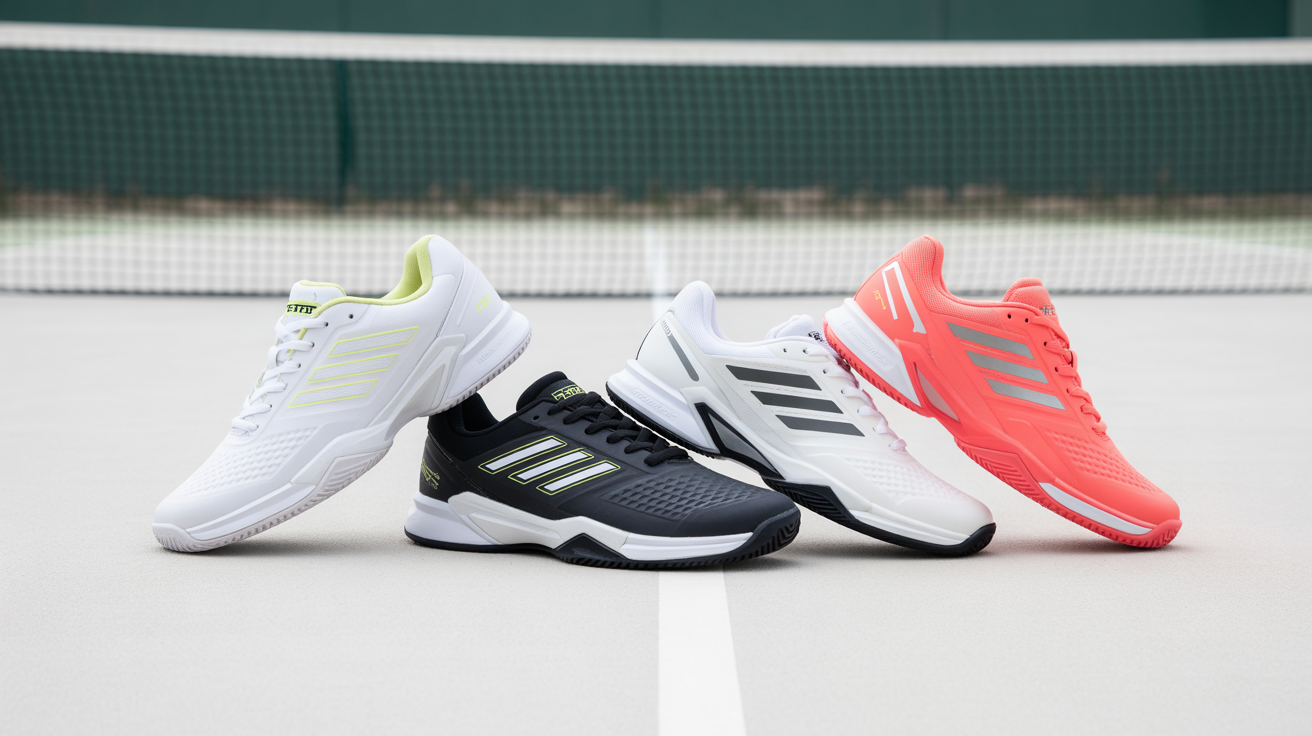
Women’s Tennis Shoes

Closing Thoughts

Whether you’re a tournament-level player, a club night regular, or just someone who wants to walk onto the court feeling supported and confident, your shoe choice matters. Take time to assess your foot and game type, use this guide to filter options, and then narrow down to the models that tick your boxes. With the right pair, you’ll reduce risk of injury, fatigue and maximize enjoyment.

And when you’re ready to present your picks—the way Expert Clipping presents imagery for e-commerce—be sure your product photos show outsole tread, arch area, upper fit and wear-zone details. That visual detail often separates good copy from great conversion. Good luck … and may your next match be your best.

, , , ,

Best Mirrorless Camera for Concert Photography in 2025 – Complete Guide

Best Mirrorless Camera for Concert Photography

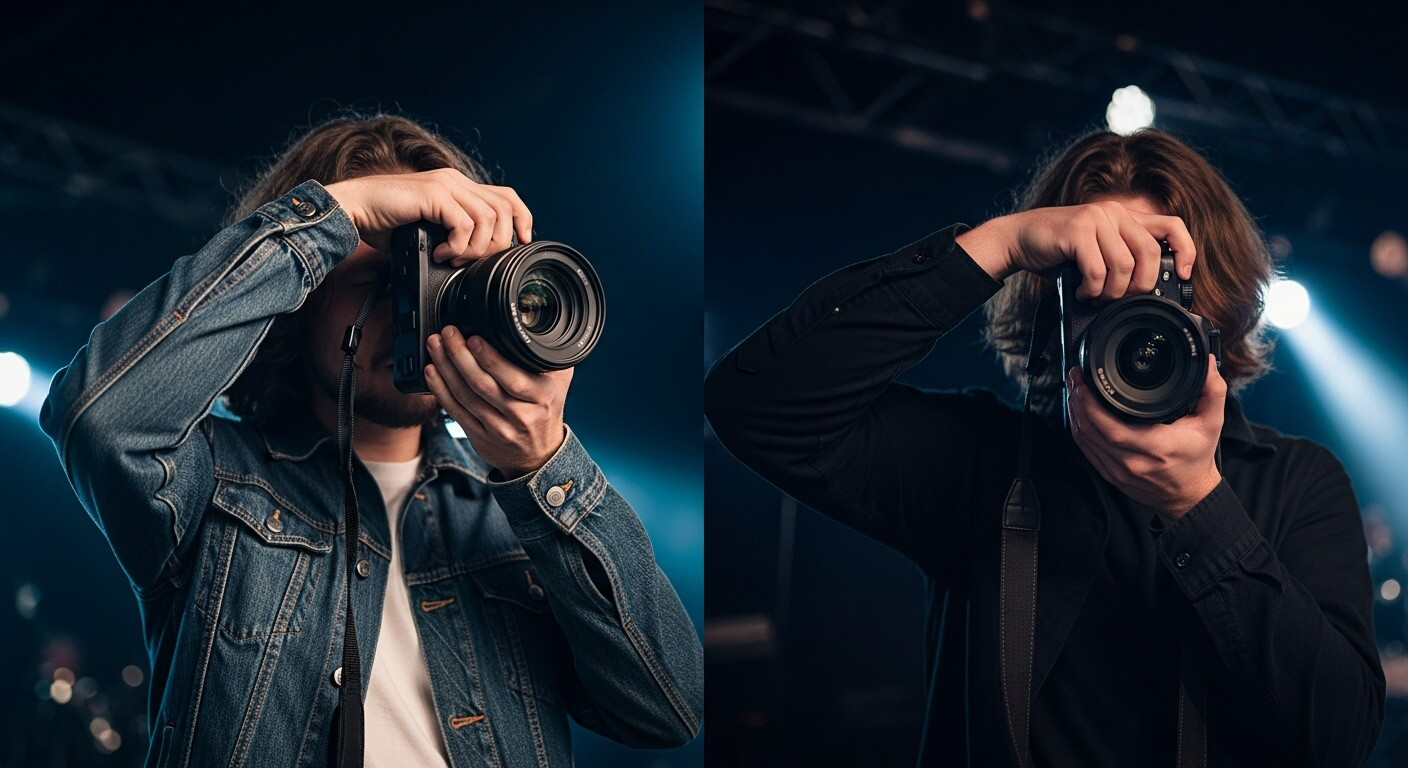
Have you ever tried taking photos at a concert only to end up with blurry shots, weird colors, or so much noise that the image looks like a painting? You’re not alone. Concert photography is one of the toughest challenges for any photographer. Between low light, flashing stage lights, and musicians who never stop moving, the wrong camera can leave you frustrated. That’s why choosing the best mirrorless camera for concert photography in 2025 is crucial.

In this guide, I’ll walk you through the top models, explain the difference between full-frame and APS-C, and share personal insights as if we’re two friends chatting about gear over coffee. I’ll also touch on lenses, settings, and practical tips from years of photographing live music. And yes brands like Expert Clipping help photographers polish their shots with professional photo retouching services when editing becomes just as important as shooting.

Let’s dive in.

Importance of Low-Light Performance in Concert Photography

Concerts are rarely well-lit like a studio. Instead, you get dim stages, red and blue spotlights, and fast strobe lights. A camera’s low-light performance is the game changer here. This is why full-frame mirrorless cameras, with their larger sensors, dominate live music photography. They capture more light, reduce noise at high ISO, and keep details intact.

Quick Answer: The best concert photography cameras are full-frame mirrorless models because they handle low light better than APS-C or micro four-thirds.

Sony Alpha a7 III – A Balanced Performer

The Sony a7 III has been a fan favorite for years—and it still holds strong in 2025. With 24.2MP full-frame sensor, amazing autofocus, and superb battery life, it’s a reliable partner for concerts. Many photographers on Reddit still call it the “budget king” for live shows.

Pros: Excellent autofocus, strong low-light ability, good value for money.
Cons: Menus can be confusing for beginners.

Quick Answer: The Sony a7 III is one of the most reliable and affordable full-frame mirrorless cameras for concert photography.

Canon EOS R6 Mark II – High-Speed Precision

If speed is what you crave, the Canon EOS R6 Mark II won’t disappoint. With 40fps electronic shutter bursts and Canon’s legendary color science, this camera makes it easier to freeze guitar jumps and drumstick spins. Its low-light ISO performance is also superb.

Pros: Best autofocus tracking, superb color tones, high burst rate.
Cons: Slightly pricier than the Sony a7 III.

Quick Answer: The Canon EOS R6 Mark II is perfect for fast-moving live music, especially if you love vibrant colors straight out of the camera.

Nikon Z6 II – Versatile Shooting Capabilities

Nikon fans will love the Z6 II. It’s a 24.5MP full-frame mirrorless camera with strong dynamic range and dual card slots for backup—a lifesaver for pros shooting tours. It pairs beautifully with Nikon’s Z lenses like the 24-70mm f/2.8.

Pros: Dual processors, robust build, excellent low-light detail.
Cons: Autofocus is slightly behind Canon and Sony.

Quick Answer: The Nikon Z6 II is a dependable option with great lens compatibility and solid low-light performance.

Sony Alpha a9 III – Fast and Efficient

The Sony a9 III introduces global shutter technology, meaning no rolling shutter issues with flashing lights—a dream for concert photographers. It can shoot silently and capture 120fps bursts, making it one of the most advanced tools available.

Pros: Global shutter, insane burst rates, no banding under LED lights.
Cons: Premium price, best for professionals.

Quick Answer: If budget isn’t a problem, the Sony a9 III is the ultimate concert photography camera in 2025.

Nikon Z9 – Cutting-Edge Technology

The Nikon Z9 is Nikon’s flagship and it’s built like a tank. With 45.7MP resolution, 8K video, and industry-leading tracking, it’s meant for professionals covering world tours and festivals.

Pros: Extreme resolution, durable, no mechanical shutter needed.
Cons: Heavy and expensive.

Quick Answer: The Nikon Z9 is a powerhouse camera for pro concert photographers needing both high resolution and speed.

Panasonic Lumix S1 – Robust Build and Image Quality

Panasonic’s Lumix S1 doesn’t get as much buzz, but it’s a hidden gem. Known for its rugged body and excellent image stabilization, it’s a great choice for handheld shooting in small venues.

Pros: Great IBIS, strong video quality, sturdy design.
Cons: Limited native lenses compared to Sony/Canon.

Quick Answer: The Lumix S1 is ideal for those who shoot both photos and concert videos.

APS-C Options – Budget-Friendly Alternatives

Not everyone can jump into full-frame right away. Cameras like the Sony A6400 or Fujifilm X-T30 II still deliver excellent concert shots if paired with fast lenses like a 35mm f/1.4. They’re lighter and cheaper but do struggle in extreme low light compared to full-frame.

Quick Answer: APS-C mirrorless cameras are affordable entry points for beginners learning concert photography.

Best Lenses for Concert Photography

A great camera without the right lens is like a guitarist without strings. Popular picks include:

  • 24-70mm f/2.8 (versatile for stage and crowd)
  • 70-200mm f/2.8 (tight shots from a distance)
  • Prime lenses (35mm, 50mm, 85mm f/1.8 or faster) for low-light portraits

Quick Answer: Fast aperture lenses (f/1.8 or f/2.8) are essential for low-light concerts.

Full-Frame vs. APS-C: Which to Choose?

Full-frame gives better low-light performance and wider field of view. APS-C is cheaper and lighter but struggles more with noise in dark venues.

Quick Answer: Choose full-frame if budget allows; APS-C works for beginners.

Autofocus and Eye Tracking in Live Music

Musicians move constantly, and autofocus systems with eye tracking are lifesavers. Sony leads in this department, followed by Canon.

Quick Answer: Look for cameras with reliable eye AF for consistent sharpness at concerts.

The “3 Song Rule” Explained

Most concerts only allow photographers to shoot during the first three songs. This means your camera needs to nail the shots fast—no second chances.

Quick Answer: The “3 song rule” means you only have a short time window, so fast autofocus and burst modes are crucial.

Best Camera Settings for Concert Photography

  • ISO: 3200–12800 (depending on venue)
  • Aperture: f/2.8 or wider
  • Shutter Speed: 1/250–1/500 for moving musicians

Quick Answer: Start with ISO 3200, f/2.8, and 1/250 shutter speed, then adjust based on light.

Essential Accessories for Concert Photographers

  • Fast memory cards
  • Spare batteries (mirrorless eats power)
  • Earplugs (protect your hearing)
  • Comfortable dual camera strap

Quick Answer: Always carry backups—concerts are unpredictable.

Choosing the Right Camera for Your Needs

Your choice depends on budget, experience, and shooting style. Beginners may start with APS-C, while professionals often use dual full-frame bodies. Renting is also smart if you’re testing gear.

Even with the best camera, post-editing matters. Services like clipping path service or ghost mannequin editing help make images cleaner, sharper, and ready for publishing.

If you work with fashion or e-commerce brands, you may also need color change services or background edits. This is where a trusted clipping path provider or clipping path company makes the difference.

Quick Answer: Match your camera to your needs, not just hype.

Conclusion

Concert photography is an electrifying experience—but only if your camera can keep up. From the reliable Sony a7 III to the futuristic Sony a9 III, there’s a mirrorless camera for every photographer. Remember: lenses and technique matter just as much as the body. And when it comes to post-processing, companies like Expert Clipping can take your raw shots and make them shine.

Whether you’re a beginner shooting your first gig or a pro covering a festival, the best mirrorless camera for concert photography is the one that balances speed, low-light power, and reliability. Choose wisely, and let the music guide your shutter.

Best Mirrorless Camera

FAQs

  1. Are mirrorless cameras good for concert photography?
    Yes, they’re great. Mirrorless cameras are lighter, faster, and have better low-light autofocus compared to DSLRs.
  2. What is the 3-song rule in concert photography?
    It’s a rule where photographers are only allowed to shoot during the first three songs of a performance.
  3. What settings work best for low-light concert shots?
    Start with ISO 3200, f/2.8 aperture, and a shutter speed of 1/250. Adjust as needed for lighting.
  4. Should I buy full-frame or APS-C for concerts?
    Full-frame is best for low light, but APS-C is a good affordable entry point.
  5. What lenses do pro concert photographers use?
    The 24-70mm f/2.8 and 70-200mm f/2.8 are the most popular, along with fast primes like 50mm f/1.4.
,

Guide to 4K Resolution: Everything You Need to Know

4K Resolution Guide

When people ask, “What does 4K resolution mean?” the short answer is: 4K resolution means a display with about 3,840 x 2,160 pixels, four times as many pixels as Full HD (1080p). That’s over 8.3 million pixels packed into one screen, giving us clearer, sharper, and more detailed visuals.

I still remember the first time I sat in front of a 4K TV. The difference between HD and 4K was instant — the texture of fabric, the shine in someone’s eyes, even tiny details in the background looked real.

What 4K Resolution Means in Simple Terms

4K resolution means a display with around 3,840 horizontal pixels and 2,160 vertical pixels. That’s why it’s often written as 3840 x 2160 pixels or simply “2160p.”

Compared to 1920 x 1080 (Full HD), it has four times as many pixels. More pixels equal more clarity, sharper edges, and finer details.

If you’ve ever wondered why 4K movies and TV shows feel so real, it’s because your eyes see more detail without noticing individual pixels.

4K vs UHD: What’s the Difference?

The terms 4K and UHD (Ultra High Definition) are often used as if they mean the same thing. But here’s the short answer: UHD is 3840 x 2160 pixels, while true Digital Cinema 4K is 4096 x 2160 pixels.

  • UHD (Ultra High Definition) = 3840 x 2160 pixels (common in TVs and monitors).
  • DCI 4K (Digital Cinema Initiatives standard) = 4096 x 2160 pixels (used in cinema projectors).

When you buy a 4K TV or 4K monitor, you’re usually getting UHD resolution. But in digital cinema, that extra width (4096 pixels) matters for widescreen productions.

How 4K Compares to Other Resolutions

Resolution Pixel Dimensions Pixel Count Common Use
HD (720p) 1280 x 720 ~0.9M Older TVs, low-res streaming
Full HD (1080p) 1920 x 1080 ~2M Standard HD TVs, YouTube, Blu-ray
2K (QHD) 2560 x 1440 ~3.7M Gaming monitors, mid-tier displays
4K UHD 3840 x 2160 ~8.3M TVs, monitors, 4K streaming
DCI 4K 4096 x 2160 ~8.8M Cinema projectors, digital film
8K UHD 7680 x 4320 ~33M High-end TVs, future-ready content

Quick answer: 4K has about four times as many pixels as 1080p and offers much higher clarity.

Why 4K Resolution Feels So Different

When we say 4K is clearer and more detailed, we’re talking about pixel density. The higher the number of pixels squeezed into a screen, the less visible each pixel becomes.

That’s why on a 55-inch 4K TV, you can sit closer without seeing pixelation, unlike with a Full HD TV. The viewing distance shrinks, making the experience more immersive.

In short: 4K resolution means you can enjoy larger screens without losing sharpness.

HDR and 4K: The Perfect Match

HDR (High Dynamic Range) is often bundled with 4K TVs and monitors. HDR improves color accuracy, brightness, and contrast, making dark scenes darker and bright scenes brighter.

Without HDR, even a 4K display can look flat. With HDR, the detail in shadows and highlights feels lifelike.

Answer in a line: 4K gives you more pixels, and HDR makes those pixels shine with better color and contrast.

Where You’ll See 4K Resolution

Today, 4K is everywhere. Some common places include:

  • 4K TVs – Almost all modern TV sets are 4K Ultra HD by default.
  • 4K Monitors – Popular with graphic designers, photographers, and gamers.
  • 4K Cameras – Most smartphones and professional cameras now record in 4K.
  • Cinema Projectors – Digital cinema projectors often use 4096 x 2160 pixels.
  • Streaming Services – Netflix, YouTube, Disney+, and Amazon Prime all stream in 4K.
  • 4K Blu-ray – For those who prefer physical media with higher bitrates.

Tip from experience: I use a 4K monitor for editing photos. The extra detail lets me spot imperfections I’d miss on a Full HD screen.

4K for Gaming

4K gaming means playing video games at a resolution of 3840 x 2160 pixels. With consoles like PS5 and Xbox Series X, 4K is the new standard.

But it comes with a catch: you need a powerful GPU for PC gaming or the latest consoles. Otherwise, you might have to choose between higher resolution and smoother frame rates.

Quick takeaway: 4K gaming looks stunning, but it demands strong hardware to run smoothly.

The Storage and Bandwidth Challenge of 4K

One downside of 4K resolution is its file size.

  • A 4K video takes up four times the space of a 1080p video.
  • Streaming in 4K requires at least 15–25 Mbps internet speed.
  • Recording in 4K eats through camera storage faster than you expect.

From my own use: When I started recording in 4K for YouTube, I had to upgrade my hard drives. Editing also required more RAM and GPU power.

The Future: 8K and Beyond

8K resolution has 7680 x 4320 pixels, or 33 million pixels. That’s four times the pixels of 4K.

While 8K TVs and cameras exist, most content today is still produced in 4K. Streaming services, Blu-ray discs, and games are not widely available in 8K yet.

Answer in one line: 8K is the future, but 4K remains the sweet spot for quality and accessibility.

Visual Breakdown of Resolutions

graph TD

A[Video Resolutions] –> B[HD 720p 1280×720]

A –> C[Full HD 1080p 1920×1080]

A –> D[2K 2560×1440]

A –> E[4K UHD 3840×2160]

A –> F[DCI 4K 4096×2160]

A –> G[8K UHD 7680×4320]

Conclusion: What 4K Means for You

At its core, 4K means four times as many pixels as Full HD, giving you sharper, clearer, and more realistic visuals. Whether it’s a 4K TV for streaming movies, a 4K monitor for design, or 4K cameras for content creation, this resolution standard has become the new normal.

From my experience, once you get used to 4K, it’s almost impossible to go back to 1080p. The difference in detail, color, and immersion is just too great.

If you’re wondering whether it’s worth upgrading: Yes — 4K offers the perfect balance of detail, availability, and future-proofing for both work and play.

Color Theory: The Complete Beginner-Friendly Guide to the Color Wheel and Harmonies

Color Theory

Understanding Color Theory Made Simple

Color theory helps us understand how colors work together. Think of the color wheel as your map it shows where each color sits and how it connects. When I first learned it, it felt like unlocking a hidden code. Suddenly, I knew why certain color schemes looked calming while others felt exciting.

Quick Answer: Color theory explains how colors mix, match, and create harmony, helping you design visuals that feel balanced and powerful.

The Color Wheel: The Foundation of All Color

The color wheel shows the relationships between colors. It starts with primary colors—red, blue, and yellow. Mix them to get secondary colors like green, orange, and purple. Add those together for tertiary colors, such as red-orange or blue-green.

Quick Answer: The color wheel helps you see color relationships—primary, secondary, and tertiary colors create endless combinations.

Primary, Secondary, and Tertiary Colors

  • Primary colors: Red, blue, yellow (cannot be made from others).
  • Secondary colors: Green, orange, purple (mixing two primaries).
  • Tertiary colors: Six mixes of a primary with a secondary.

When I paint or design, I always start with one dominant color and then add supporting tones from the wheel.

Quick Answer: Primary colors mix to create secondary and tertiary colors, forming the basis of every color palette.

If you need any service, go to the menu bar, there is an opportunity to edit 3 to 5 images for free.

Clipping path service

Background removal service

Image masking service

Color Changes Service

Color Harmonies and Schemes

Color harmony is about balance. Here are the most common schemes:

  • Monochromatic: One color with its tints and shades.
  • Analogous: Three colors next to each other on the wheel.
  • Complementary: Two opposite colors (like blue and orange).
  • Triadic: Three evenly spaced colors.
  • Tetradic: Two complementary pairs.

In my design projects, complementary colors give energy, while analogous schemes feel calm and natural.

Quick Answer: Color schemes like complementary or triadic create balance and mood by combining colors strategically.

Warm vs. Cool Colors

  • Warm colors (red, orange, yellow): Feel bold, energetic, and vibrant.
  • Cool colors (blue, green, purple): Feel calm, professional, and soothing.

When I photograph products, I use warm tones for energy and cool tones for trust.

Quick Answer: Warm colors create energy, while cool colors bring calmness and focus.

Color Psychology: How Colors Affect Emotion

Colors trigger feelings and influence perception. For example:

  • Red: Urgency and excitement.
  • Blue: Trust and calm.
  • Green: Growth and balance.
  • Purple: Creativity and luxury.

Think about brands Coca-Cola uses red for energy, while Facebook uses blue for trust.

Quick Answer: Color psychology explains how colors affect emotions and shape how we react to design and brands.

How to Apply Color Theory in Design and Branding

When creating a brand, choose one dominant color and add supporting tones. Test combinations for contrast and readability. For digital design, always check how colors look on both light and dark backgrounds.

Quick Answer: Apply color theory by choosing a dominant color, adding supporting tones, and ensuring strong contrast.

FAQ: Color Theory Made Simple

Q1: What is color theory in simple terms?
Color theory is the study of how colors mix, match, and work together to create harmony.

Q2: Why is the color wheel important?
The color wheel shows how primary, secondary, and tertiary colors connect for better design choices.

Q3: What are complementary colors?
Complementary colors sit opposite on the wheel, like red and green, creating strong contrast.

Q4: How does color affect mood?
Colors affect feelings—red excites, blue calms, green balances, and purple inspires creativity.

Q5: How do designers use color theory?
Designers use color theory to guide attention, create balance, and reflect brand personality.

The Complete TikTok Video Size Guide for 2025

TikTok Video Size

If you want your TikTok videos to look sharp, load fast, and perform well, you need to know the right TikTok video size, format, and aspect ratio. We’ve tested, failed, and learned what works best when creating content that reaches more people. Here’s the ultimate guide to TikTok video specs, written with years of real-world experience.

👉 Quick Answer: The recommended TikTok video size is 1080 x 1920 pixels, with a 9:16 aspect ratio, in .MP4 format, and under 287 MB.

TikTok Video Dimensions You Should Use

The TikTok app is designed for vertical viewing. That means the right video dimensions make a big difference.

  • Best choice: 1080 x 1920 pixels (vertical video)
  • Alternative: 1920 x 1080 pixels (horizontal, less engaging)
  • Square video: 1080 x 1080 pixels (works but feels cramped)

👉 Snippet Answer: TikTok recommends 1080 x 1920 px vertical videos for the best quality and user experience.

If you also work with clipping path services for eCommerce product photos, you’ll notice the same principle applies—vertical, high-resolution visuals perform best.

TikTok Video File Size Limits

The file size you upload depends on your device and whether it’s organic or an ad.

  • iOS: Up to 287.6 MB
  • Android: Up to 72 MB
  • TikTok Ads: Up to 500 MB

👉 Snippet Answer: Keep TikTok videos under 287 MB on iOS and 72 MB on Android to avoid compression.

TikTok Video Formats That Work Best

TikTok supports a few video file formats, but not all perform equally well.

  • Recommended: MP4
  • Also accepted: MOV, AVI (ads only)

👉 Snippet Answer: Use .MP4 format for TikTok videos—other formats may work, but MP4 ensures best quality.

TikTok Video Length: What Works Best

You can post long videos now, but shorter ones still get more attention.

  • Minimum: 3 seconds
  • Maximum: 10 minutes
  • Best range: 15–60 seconds for higher engagement

👉 Snippet Answer: The ideal TikTok video length is 15–60 seconds for best engagement.

TikTok Aspect Ratio and Safe Zones

Even with the right size, text placement matters.

  • Avoid bottom 150 px (covered by captions and UI).
  • Avoid top 200 px (covered by profile info).
  • Keep text in the center for visibility.

👉 Snippet Answer: TikTok’s safe zone is the middle area of the screen, avoiding top and bottom UI overlays.

TikTok Video Ads Specs

If you’re running ads, specs are stricter.

  • In-Feed Ads: 1080 x 1920 px, 5–60 seconds
  • Brand Takeover: 1080 x 1920 px, 3–5 seconds
  • Top-View Ads: 1080 x 1920 px, 5–60 seconds

👉 Snippet Answer: TikTok Ads work best at 1080 x 1920 px, MP4 format, under 500 MB.

TikTok Video Resolution

Resolution affects clarity and engagement.

  • Best: 1080p Full HD
  • Acceptable: 720p (lower engagement)
  • Avoid: Below 720p (blurry, low-quality)

👉 Snippet Answer: For TikTok, use 1080p resolution for sharp and clear videos.

FAQs About TikTok Video Sizes

Q1. What is the best TikTok video size in 2025?
The best TikTok video size is 1080 x 1920 px with a 9:16 aspect ratio.

Q2. What is the maximum file size for TikTok videos?
On iOS, up to 287.6 MB. On Android, up to 72 MB. Ads allow up to 500 MB.

Q3. What video format does TikTok support?
TikTok supports MP4 and MOV, but MP4 is the best for quality and performance.

Q4. How long can a TikTok video be?
TikTok videos can be up to 10 minutes, but 15–60 seconds is the sweet spot.

Q5. What’s the recommended resolution for TikTok videos?
TikTok recommends 1080p resolution for the best viewing experience.

How to Remove White Eyes in Photos (Expert Guide by Expert Clipping)

Remove White Eyes in Photos

White eyes in photos happen when the camera flash reflects off the retina. In pets, it’s often due to a shiny layer inside their eyes. You can fix this with Photoshop tools like Burn, Clone, or Brush. Online editors and mobile apps can help too. For the cleanest results, Expert Clipping’s professional photo retouching services remove white eyes while keeping every natural detail. Turnaround is fast, and you can even start with a free trial.

What Causes White Eyes in Flash Photography?

White eyes appear when flash light enters the pupil directly and reflects back to the camera lens. In pets, it’s often caused by a reflective layer in their eyes.
Quick Tip: Avoid direct flash bounce it off a ceiling or use natural light.

Why Do Eyes Look White in Some Pictures?

White eyes are more common in low light because pupils dilate, allowing more flash to enter. If the subject looks directly at the camera, the effect is stronger.
Pro Insight: In wedding shoots, we often position lights at a 45° angle to avoid this.

Which Camera Settings Prevent White Eyes in Photos?

  • Raise ISO to reduce flash need.
  • Use a slower shutter speed for more ambient light.
  • Use off-camera or bounce flash.
Setting Why It Helps Expert Tip
ISO 800+ Less flash needed Keep noise low with post-editing
Shutter 1/60 More ambient light Steady hand or tripod needed
Off-camera flash Changes reflection angle Works best at events

How Can I Fix White Eyes Without Reshooting the Photo?

Use photo editing software like Photoshop, Lightroom, or free online editors.
Checklist for a Quick Fix:

  • Zoom into the eye
  • Select the white area
  • Sample a natural iris color
  • Paint or clone over the white

Best Software to Remove White Eyes

Tool Free/Paid Skill Level Why Use It
Photoshop Paid Advanced Full control, pro results
GIMP Free Intermediate Open-source alternative
YouCam Perfect Free/Paid Beginner Mobile-friendly auto-fix
Expert Clipping Paid None Done-for-you, pixel-perfect

💡 CTA: Request Your First 3 Images Free — See how Expert Clipping restores natural eyes in minutes.

How to Fix White Eyes in Photos Using Photoshop

Short Answer: Use the Burn Tool to darken the pupil, then the Brush Tool to blend colors.
Step-by-Step:

  1. Open your photo.
  2. Select the Burn Tool, set range to Midtones, exposure to 30%.
  3. Carefully darken the white area.
  4. Use Brush Tool to paint sampled iris color.
  5. Adjust opacity for a natural look.

For other tricky edits, see our hair masking in Photoshop guide — perfect for fine details.

Which Online Services Offer White-Eye Removal?

Many online editors like Fotor, Pixlr, and Photopea can help. But for bulk or high-precision work, Expert Clipping delivers faster and cleaner results.
💡 CTA: Get Instant Cost Estimate — Save more with bulk photo subscriptions.

How to Correct White Eyes in Pet Photography

Pets often have stronger reflections. In Photoshop, use the Pet Eye tool (in Elements) or manually paint over the glare.
Tip: In shoots, raise the room light before using flash — it reduces pupil dilation.

Fixing White Eyes for Weddings and Large Batches

For 100+ images, manual edits can be slow. We use automated masking + manual touch-ups for consistency.
💡 CTA: Subscribe & save on bulk photo editing — perfect for pros.

Quick FAQ Snippets for Voice Search & Featured Snippets

  • Q: How to remove white eyes in photos online free?
    A: Use free tools like Photopea or Fotor. Upload, select the white area, and recolor to natural tones.
  • Q: Can you fix white eyes in iPhone photos?
    A: Yes. Use the Photos app for basic fixes or Snapseed for advanced control.
  • Q: Why do my eyes reflect white in photos?
    A: Flash reflection on a dilated pupil or pet’s reflective eye layer.

Customer Review Spotlight

“I had 200 wedding photos with white eyes. Expert Clipping fixed them in less than 24 hours, and the results were flawless. The eyes looked natural, not fake. Highly recommend!” – Sarah K., Wedding Photographer

Julian Brown Missing: Inventor Behind Plastoline Disappears

Julian Brown Missing Inventor Behind Plastoline Disappears

Have you ever wondered why some product photos look so clean and real, almost like you could pick them up right off the screen? Well, let me share something I’ve learned from years of editing images for online stores. The secret often lies in a simple yet powerful Photoshop trick: using the Pen Tool to clip the product and then adding back its natural shadow on a white background.
👉 Why does this matter? Because keeping the real shadow keeps the photo grounded and makes it feel more lifelike, which can boost buyer trust.

When I first started editing, I used to erase everything, thinking it looked cleaner. But I soon noticed something odd: my edited photos felt “floaty,” like the product was stuck on the page rather than sitting on a real surface. Customers notice this too, even if only subconsciously.
👉 What’s the fix? By saving and reusing the natural shadow, you make your product look like it belongs there — which feels authentic and professional.

Let’s break it down. After cutting out the product with the Pen Tool, don’t throw away the shadow part. Instead, copy it to a new layer. Place your clipped product on a pure white background, then carefully blend the original shadow back in.
👉 Why blend instead of making a fake shadow? Real shadows have soft edges and subtle fades that artificial ones often miss, and that little detail keeps photos from looking too “Photoshopped.”

This isn’t just about looks. Keeping the natural shadow can reduce bounce rates on product pages. Shoppers stay longer when images look real because it feels more trustworthy. Over the years, I’ve seen clients get higher conversion rates with photos that kept this small detail.
👉 Does it really help sales? Yes — authentic visuals quietly build trust, and trust sells.

In the end, photo editing isn’t just about cutting and pasting. It’s about telling a visual story that feels honest. And from my experience, preserving the real shadow is like keeping a product’s true character alive.
👉 What’s the takeaway? Don’t chase perfection; chase believability. Your photos — and your customers — will thank you.

❓ FAQs

**Q: Where is Julian Brown?**
A: Since July 9, there has been no public confirmation of his location. His mother says he’s safe, but withholds further details.

**Q: What is Plastoline and why does it matter?**
A: Plastoline converts plastic waste into fuel using microwave pyrolysis, potentially offering a scalable, cleaner alternative to traditional recycling and energy practices.
**Q: Could his disappearance be linked to his invention?**
A: Many fans speculate so—Brown claimed he felt targeted, and critics warn his technology could threaten entrenched energy interests.

UK Emergency Alerts | What’s Really Happening on 7 September 2025?

uk emergency alert system

Let’s be honest. When I first heard about the national test on 7 September 2025 at 3 pm, my first thought was, “Oh great, another alarm to scare the life out of us on a Sunday afternoon!”
But actually, it’s smarter than it sounds. The UK Emergency Alerts system is designed to save lives by sending loud, short warnings straight to your phone—even if it’s on silent.

In short: On that Sunday, your phone will buzz and ring loudly for about ten seconds. It’s just a test. You don’t have to do anything except maybe jump a little when it goes off.


📝 What exactly will the alert say?

Here’s the message, almost word for word, so you know what to expect:

“This is a test of Emergency Alerts, a UK government service that will warn you if there’s a life‑threatening emergency nearby.
You do not need to take any action. In a real emergency, follow the instructions in the alert to keep yourself and others safe.
Find simple and effective advice on how to prepare for emergencies at gov.uk/prepare.”

It also includes a link for the Welsh version, because yes—everyone in Wales should get it too.

Quick answer: It’s a short, friendly heads-up. No panic needed.


📅 Why are we getting this now?

You might be wondering, “Why test it again? Didn’t we do this already?”
You’re right! The first national test was in April 2023.
But think of it like checking the smoke alarm at home—it only matters if it works when we need it.

The alert is meant for real dangers like severe storms, floods, or even things like unexploded bombs.
It’s not about scaring us. It’s about making sure, when the real thing comes, it actually reaches us.

Answer in a nutshell: It’s about safety, not spam.


📱 Who gets it—and who doesn’t?

If your phone is on 4G or 5G, and you’ve got at least Android 11 or iOS 14.5, you’ll get the alert.
If you’ve got an older phone, or if you’re only on Wi-Fi, it might not come through.

I actually checked my mum’s old phone, and she’s still on Android 8. So she won’t get it.
I told her it might be time to upgrade—not just for this alert, but for security too.

Simple answer: Most modern phones get it. Really old ones might not.


⚠️ Has it worked in real emergencies?

Yes—and this is where it gets real.
Since the system launched, it’s been used a few times already:

  • January 2025: Storm Éowyn hit Scotland and Northern Ireland. Around 4.5 million people got warned.
  • December 2024: Storm Darragh in Wales and the South West. Saved lives.
  • February 2024: An unexploded WWII bomb in Plymouth. Locals got alerts to stay away.

These aren’t just dry stats. They’re real moments where people had a chance to act early and stay safe.

Short answer: Yes. It’s saved lives already.


✋ What should you do on 7 September?

Honestly? Not much.

  • Keep your phone on.
  • If you’re driving, don’t touch it. Just wait until it stops.
  • Expect a loud buzz and short message.
  • Don’t panic—it’s only a test.

I’ll probably warn my family group chat that morning so nobody spills tea out of shock.
We all remember the surprise last time!

Quick tip: Just treat it like a fire drill. Nothing more.


🔍 Why does this matter beyond the test?

Because in real life, seconds count.
Whether it’s floods, storms, or safety threats, this system gives us a head start.

It’s part of a bigger plan to make the UK more resilient—from building flood defences to improving pandemic response.
And yes, it’s backed by real funding and planning—not just good intentions.

In summary: It’s peace of mind, not noise.


✅ Final thoughts (from me to you)

I know alarms can feel annoying. But if it helps even one family get to safety faster, it’s worth it.
And let’s be real: we live in unpredictable times. Better to have a loud phone than a silent regret.

Bottom line: Sunday, 7 September 2025, 3 pm. Expect a buzz, breathe, and carry on.


If you found this useful, share it with family and friends.
After all, being prepared only works if everyone knows what’s coming. 👍


Anna Friel | Why She Still Hits Us Right in the Heart

Anna Friel Why She Still Hits Us Right in the Heart

If you’ve watched Unforgivable recently, you’ll know what I mean when I say Anna Friel doesn’t just act—she bleeds on screen.
She plays Anna Mitchell, a mother crushed by betrayal after her brother abuses her son.
In simple words? It’s raw, real, and heartbreakingly honest.

Why does Anna Friel still matter?
Because she dares to go where it hurts—and makes us feel every bit of it.


She’s Been on Our Screens Since We Were Kids

I still remember seeing Anna in Brookside back in the ‘90s.
She played Beth Jordache, and it was one of those roles that stuck.
Even at 17, she had this spark that felt different—like she was telling truth, not just lines.

Did you know? She made TV history back then with the famous on-screen kiss.
It wasn’t about shock—it was about showing real stories that needed telling.


From Stardom to Serious Storytelling

Fast forward, and Anna didn’t just stay the pretty face from soaps.
She took risks: Marcella, Pushing Daisies, films like Limitless and Sulphur and White.
But what makes her stand out? She picks stories that aren’t easy—and she lives them fully.

What keeps her relevant?
She doesn’t settle for safe roles. She digs deep—even when it hurts.


Unforgivable Hits Different

When I watched Unforgivable, it didn’t feel like TV—it felt like sitting with someone’s pain.
Anna’s character is fierce but fragile. You see love, rage, guilt—all fighting for space.
It’s the kind of role that demands honesty, not glamour.

Why did critics love her?
Because she chose truth over makeup. And it shows.


Age? She Calls It Power

Anna’s 49 now, and she’s not shy about it.
She talks about how older women get boxed into boring roles.
But she believes age brings layers, depth, and courage.

What’s her message?
Women don’t fade with age—they get richer, like old stories told better.


Beyond the Spotlight

Off camera, she’s a mum to Gracie, who’s 20 now.
Anna says they laugh, share music, and live a pretty “jolly” life.
It’s a reminder that even actors we see in heavy roles still go home to normal things.

Fun fact: Anna lives in Windsor and loves gardening and cooking—pretty normal, right?


Why She Still Connects

Anna doesn’t act for applause—she acts to make us feel.
Even in tough stories, she finds a human thread we can hold onto.
That’s rare, and that’s why she stays on our screens, decade after decade.

In short? She’s fearless. And that fearlessness keeps us watching.


Final Thought

Watching Anna Friel today feels like seeing an old friend who’s grown braver with time.
She reminds us it’s okay to be messy, angry, and real.
And maybe, that’s what makes her truly unforgettable.

#annafriel, #unforgivablebbccast, #unforgivablecast, #annamaxwellmartin


If you’d like, I can also help turn this into a structured article with subheadings, snippet-ready Q&As, or even prepare schema markup for SEO.
Would you like me to do that? 🌿